Photography takes an instant out of time, altering life by holding it still.
"When people ask us what photography equipement we use, we tell them our eyes"
— Els & Joël
Photography takes an instant out of time, altering life by holding it still.
"When people ask us what photography equipement we use, we tell them our eyes"
— Els & Joël
WHITE WØLF — a side project of Woodland Studio — is an initiative by Els Gielen & Joël Neelen. Els is a professional photographer, while Joël approaches the camera with the eye of a graphic designer. Together, we explore the art of storytelling through photography, using images to convey ideas, emotions, ... and perspectives. Clear, unpretentious, ... and impactful storytelling.
Every image begins with something: a moment, an observation, an object, a feeling. And every story, no matter how complex, starts somewhere. But can photography tell a story on its own? Can a single image convey tension, evoke emotion, spark curiosity or inspire the imagination without relying on words? Perhaps the real power of photography lies not only in what it reveals, but also in what it leaves open to interpretation.
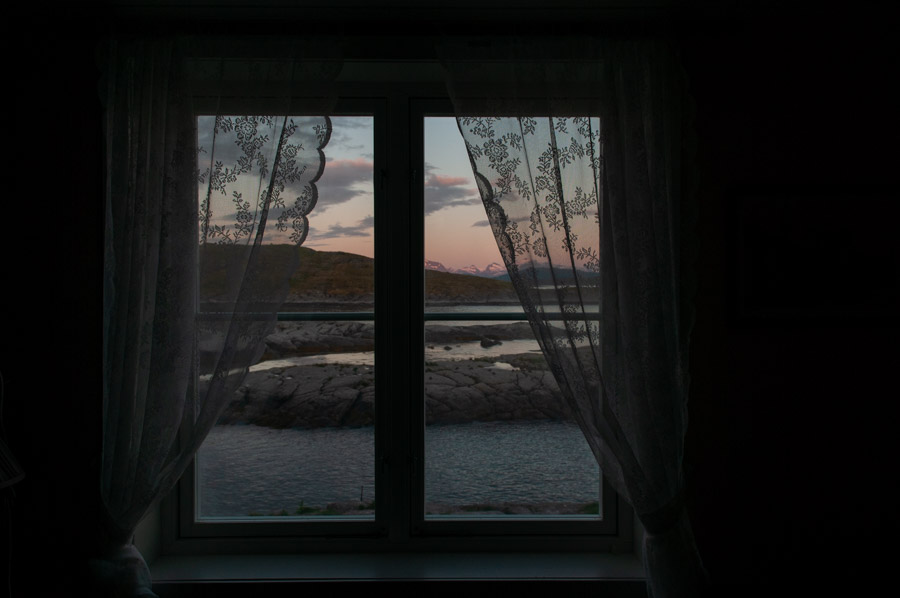
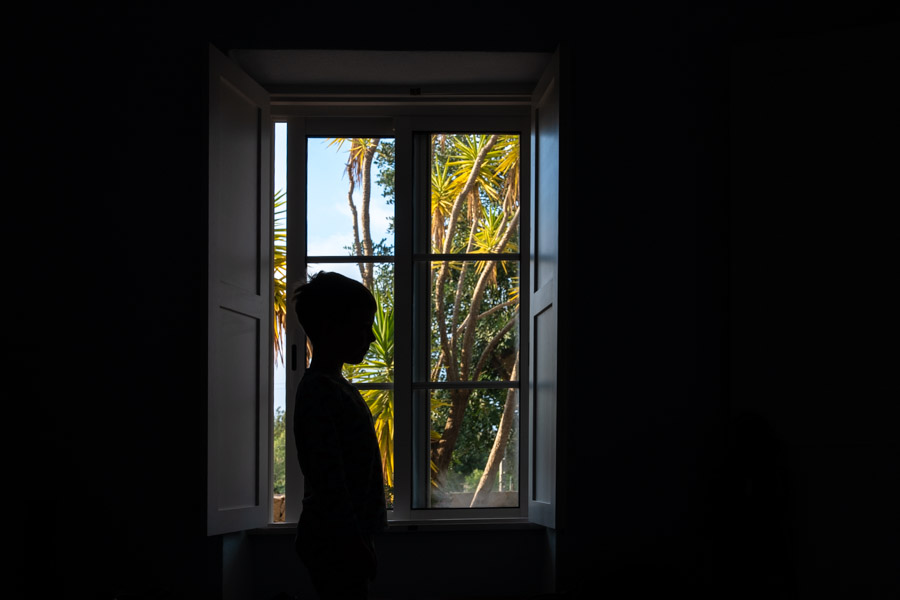
Visual storytelling is about creating meaning through images. It is about how photographs relate to one another, how they are sequenced, and how their combined presence can shape the way we see and understand the world. Whether arranged chronologically or brought together as a series, images can build a narrative, establish a rhythm and create unexpected connections. They invite us to look beyond the surface, to question what we see and to complete the story in our own minds. In this sense, the viewer is never merely an observer, but an active participant in the act of storytelling.
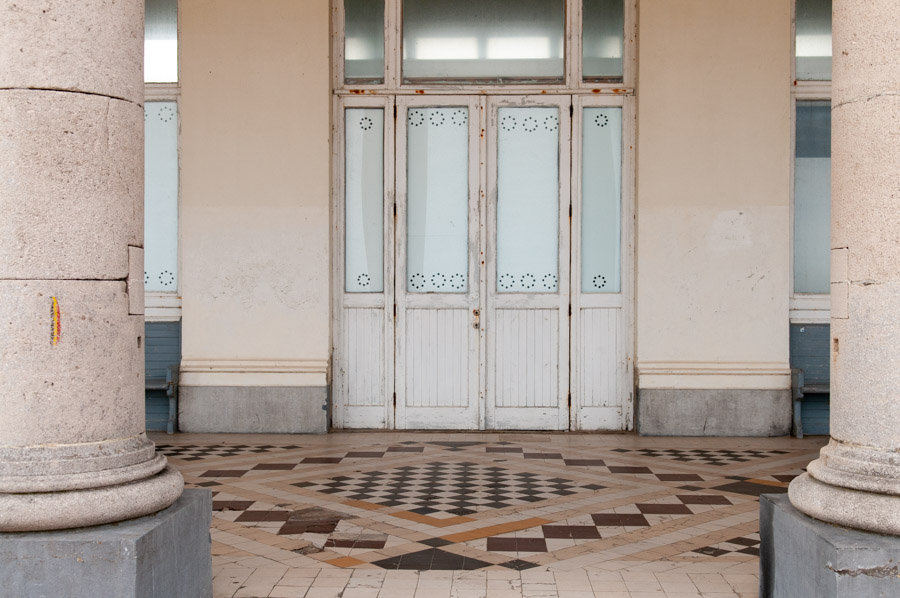
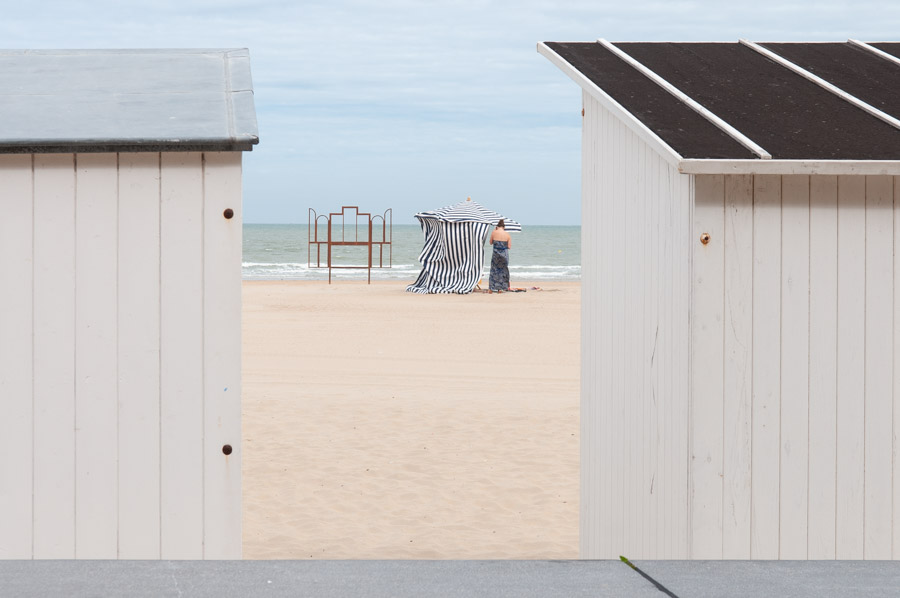
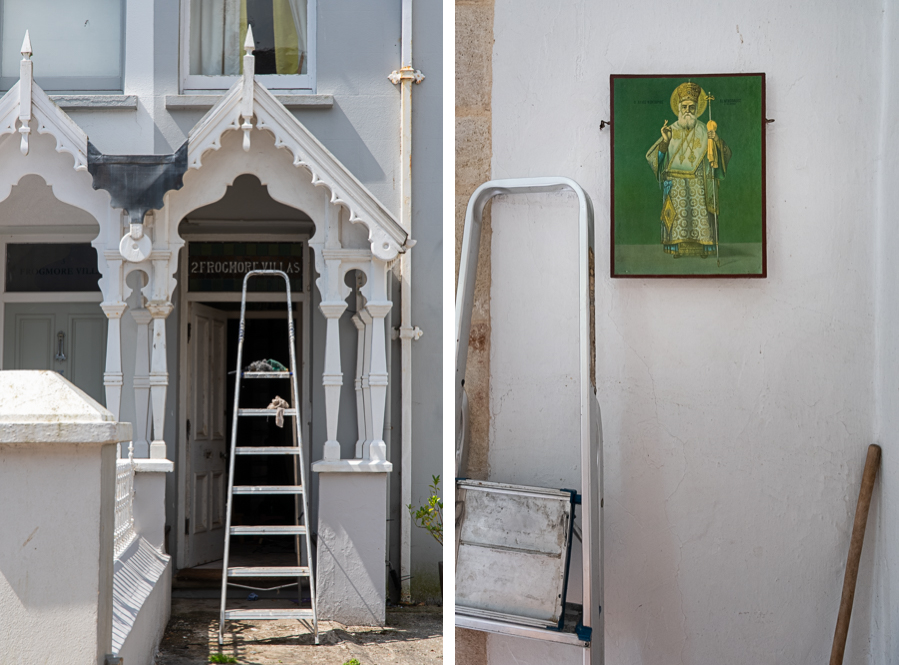
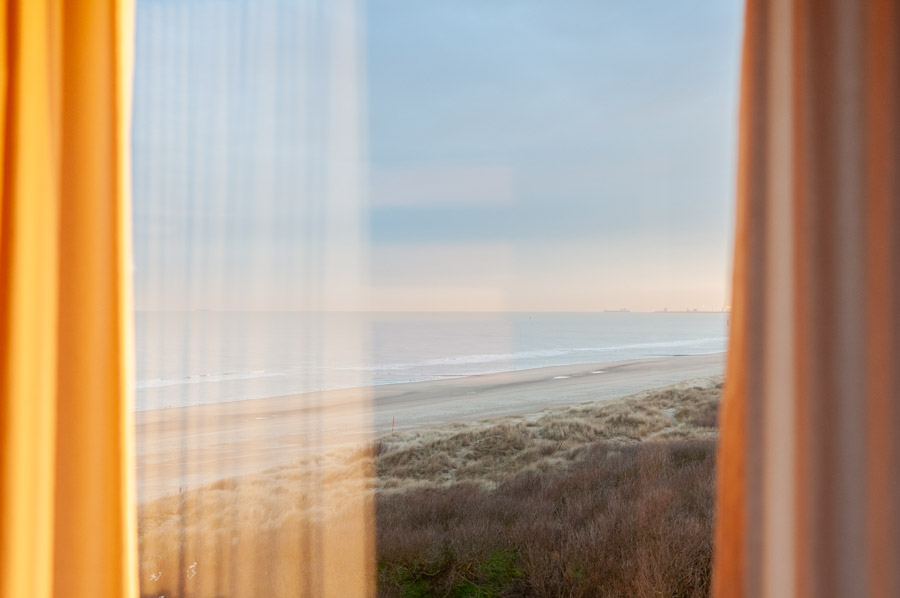
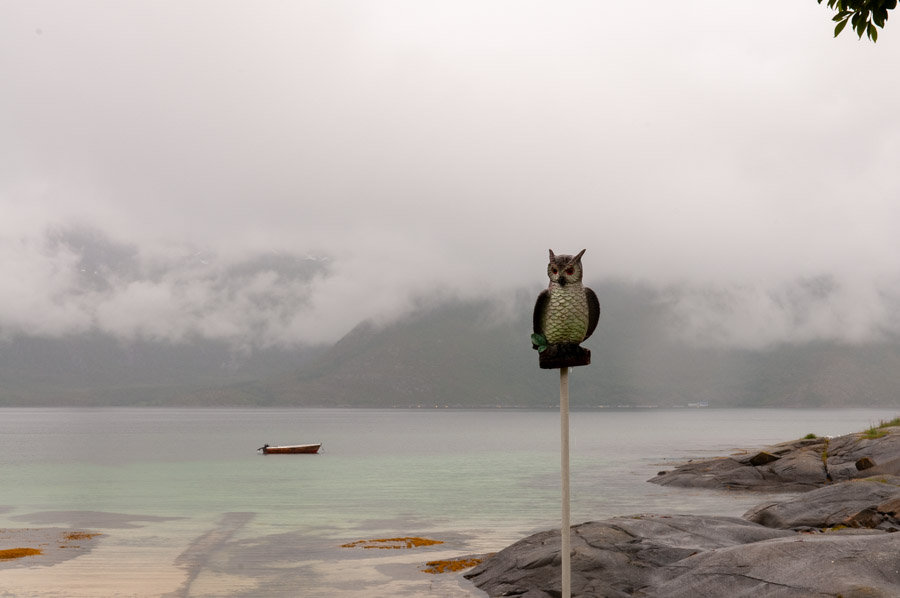
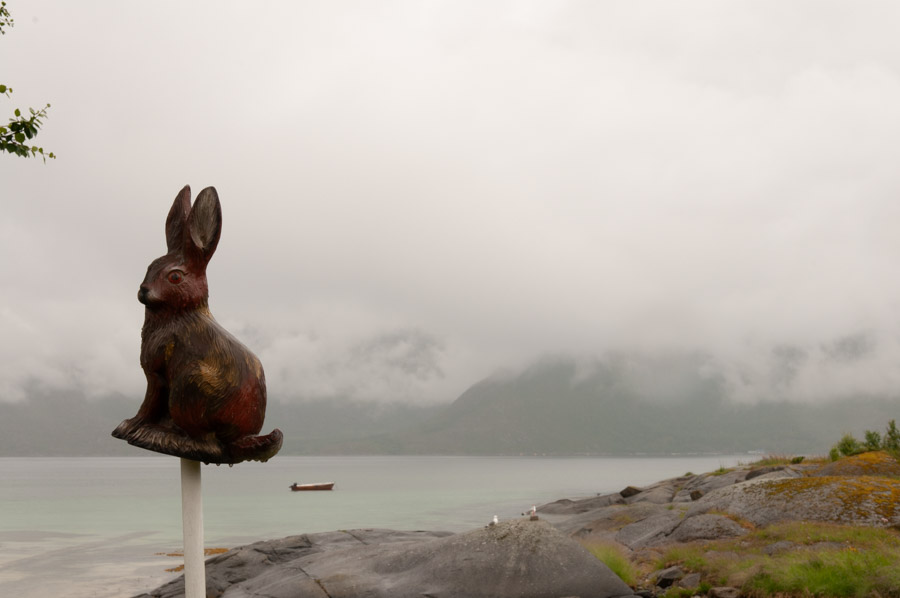
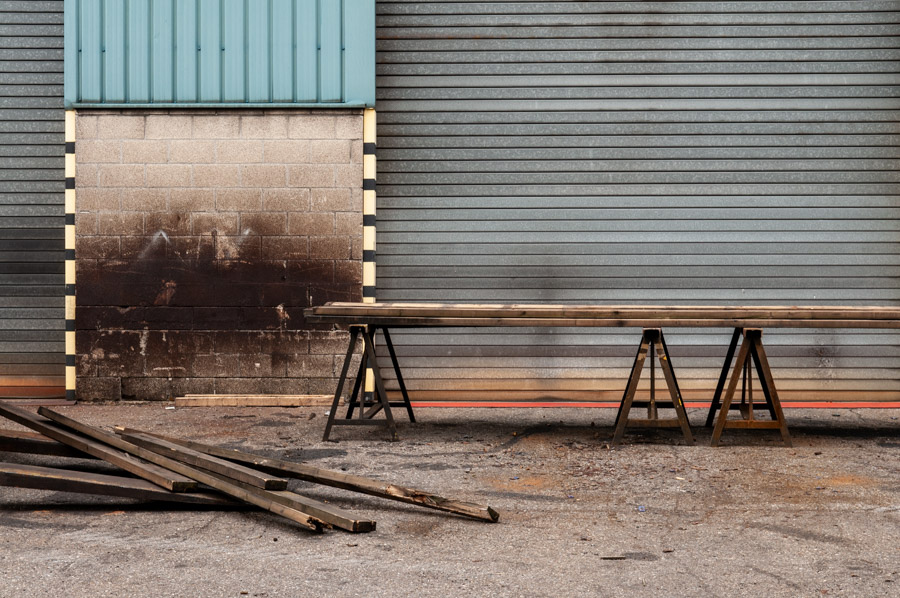
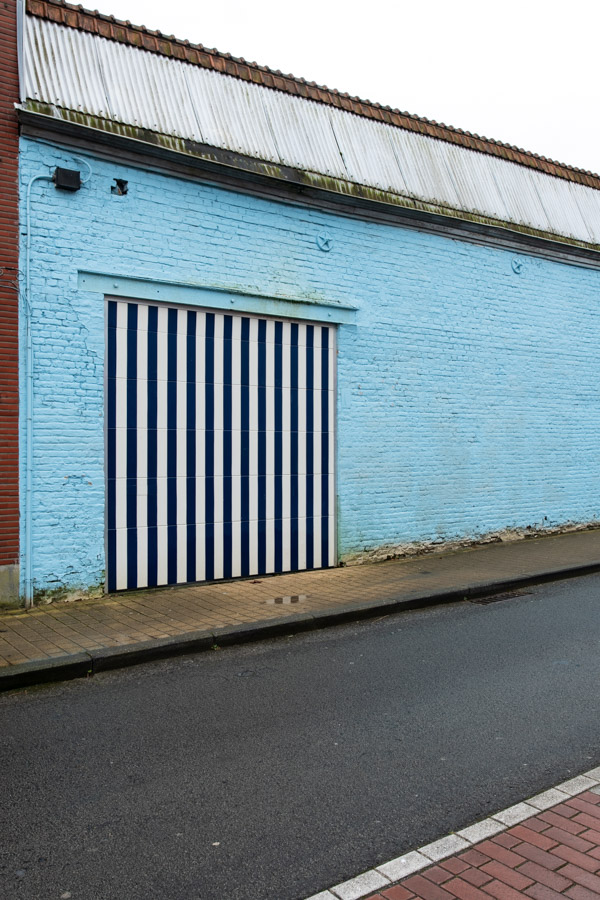
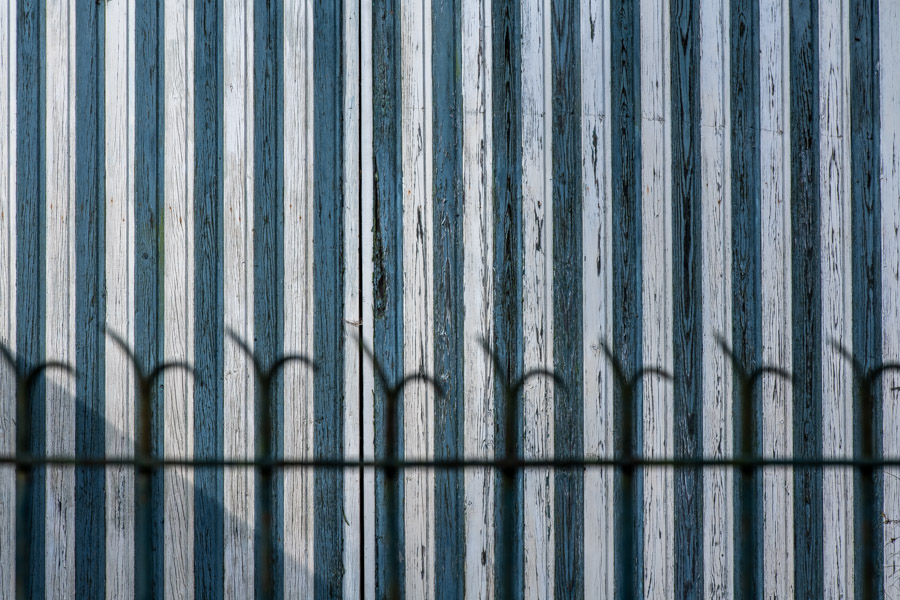
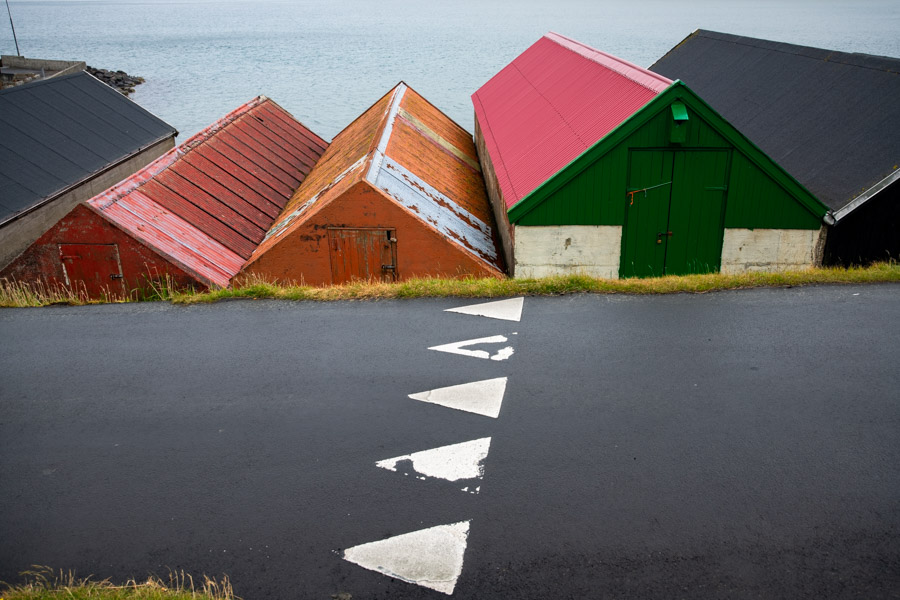
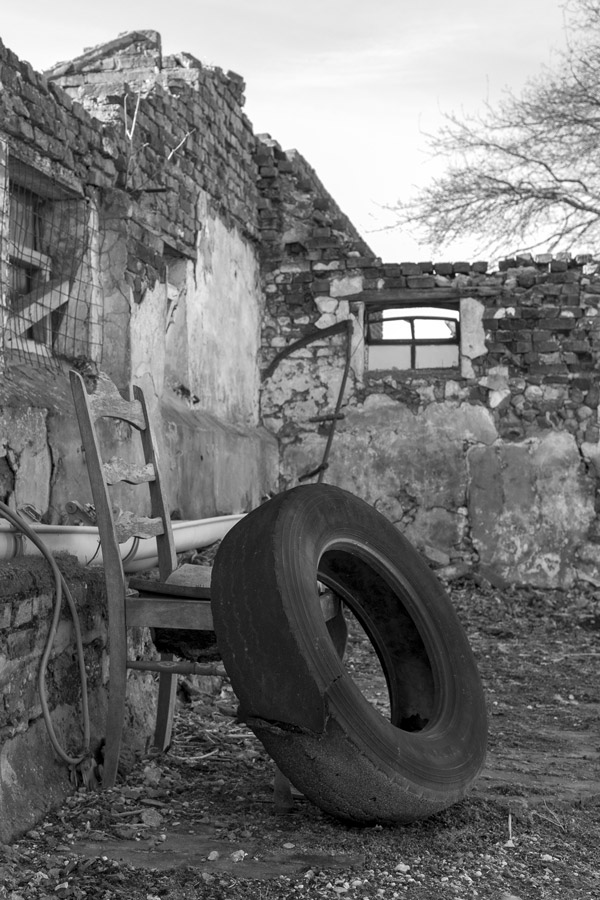
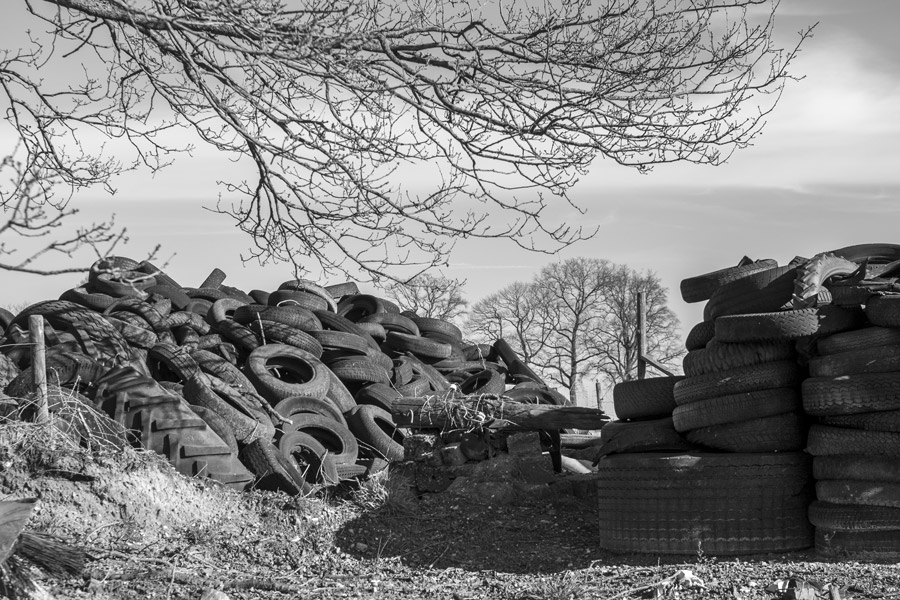
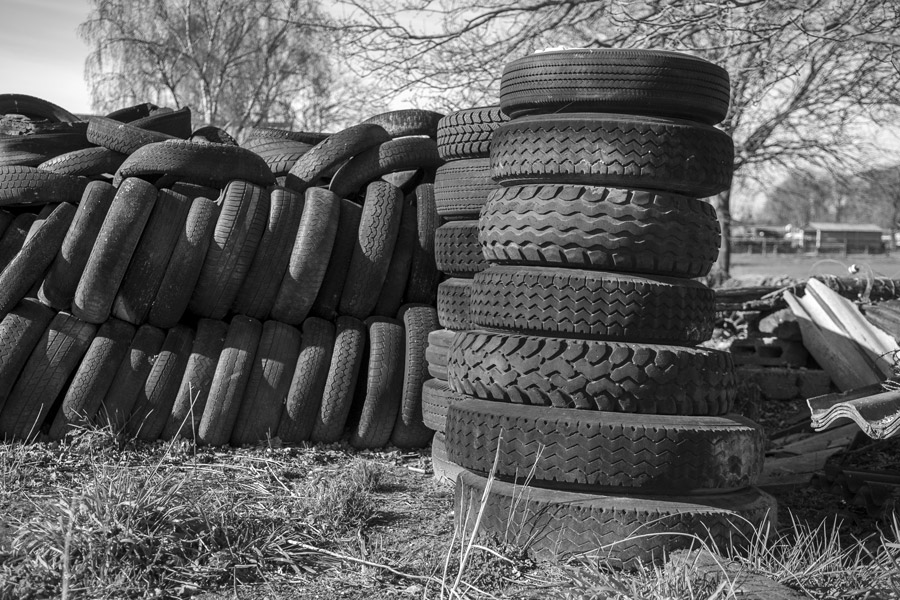
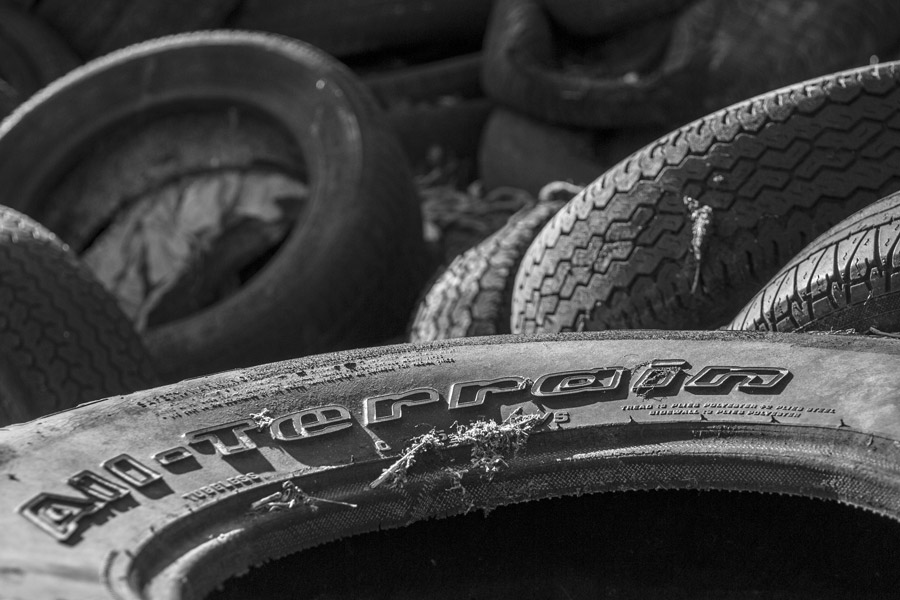
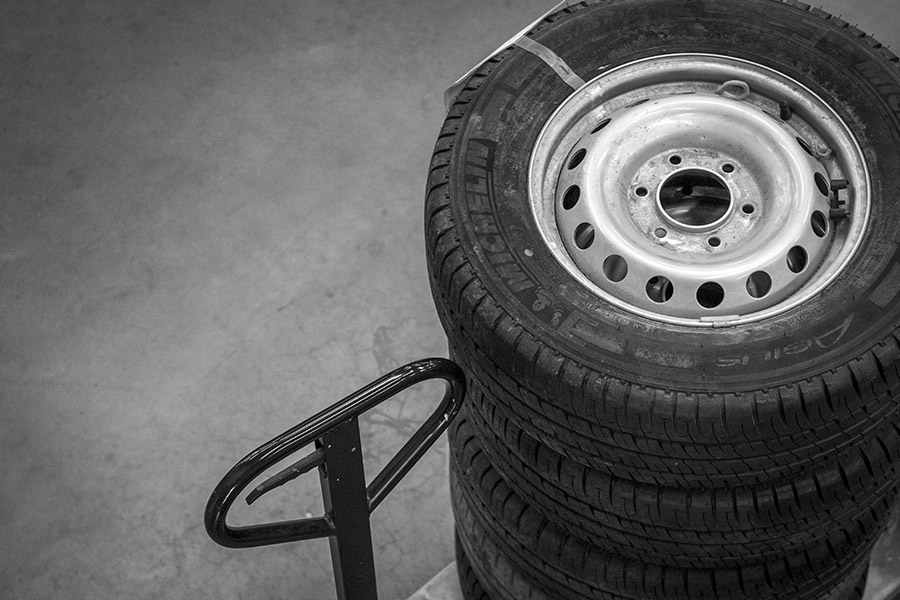
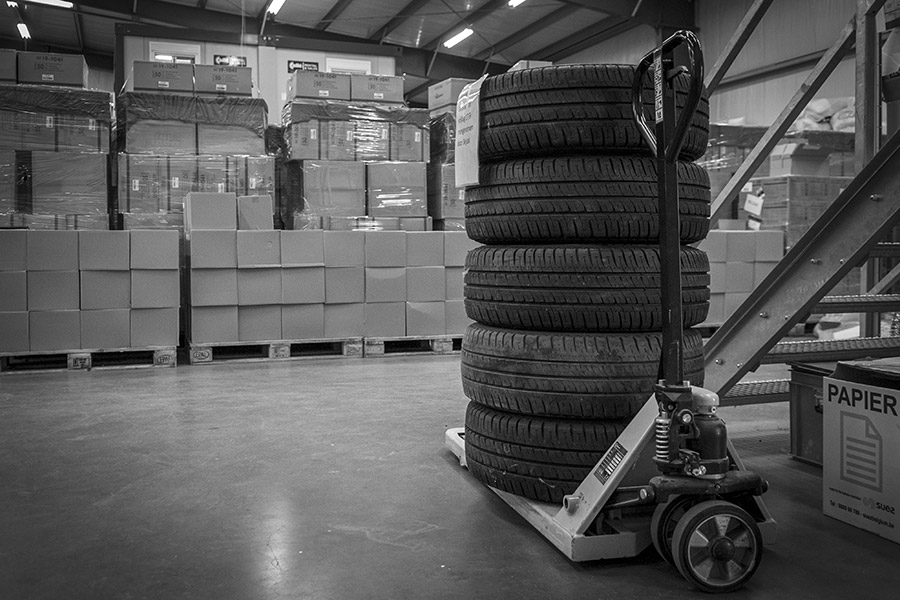
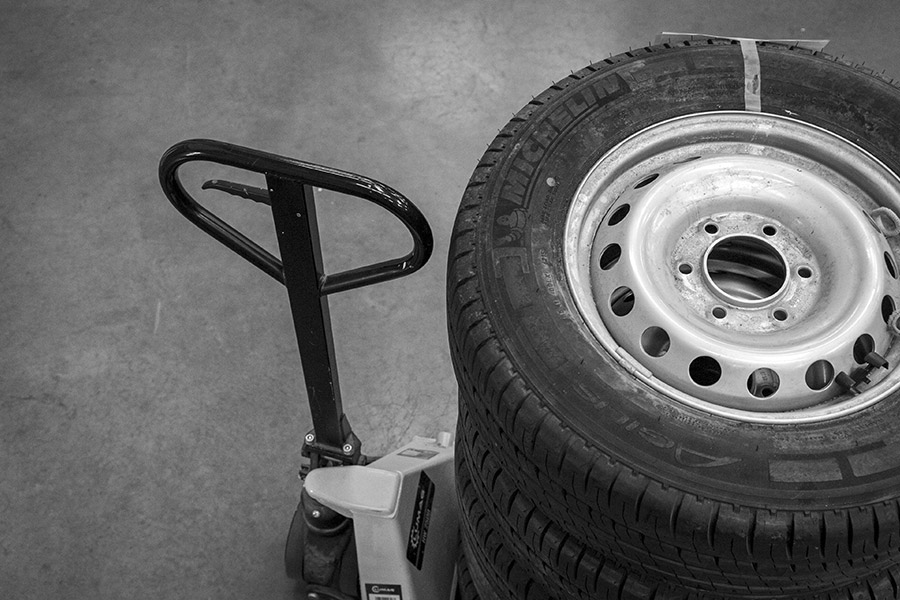
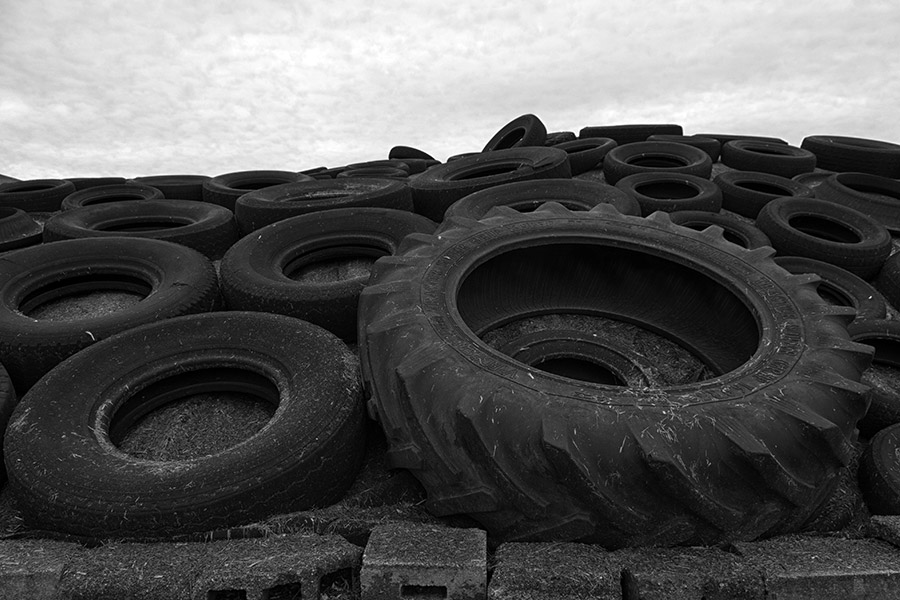
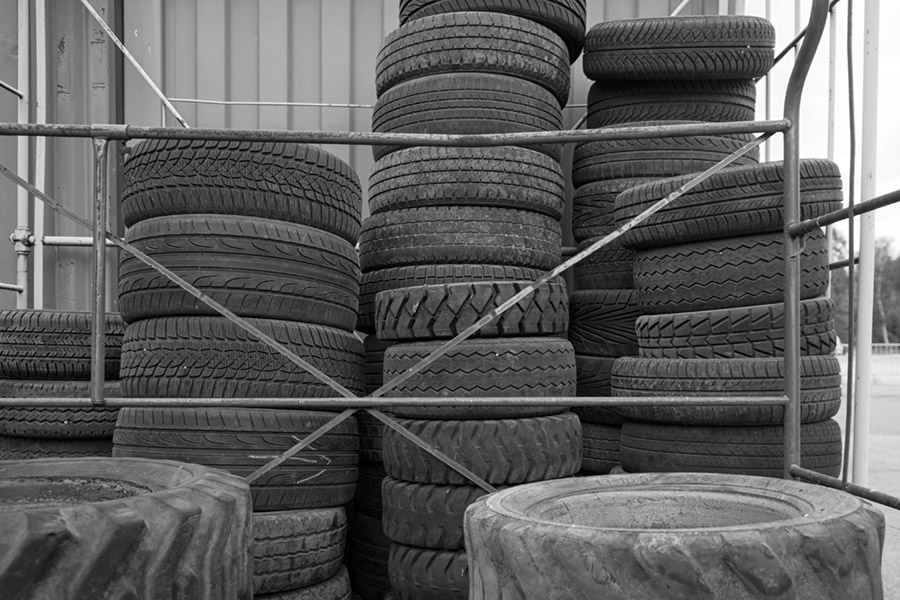
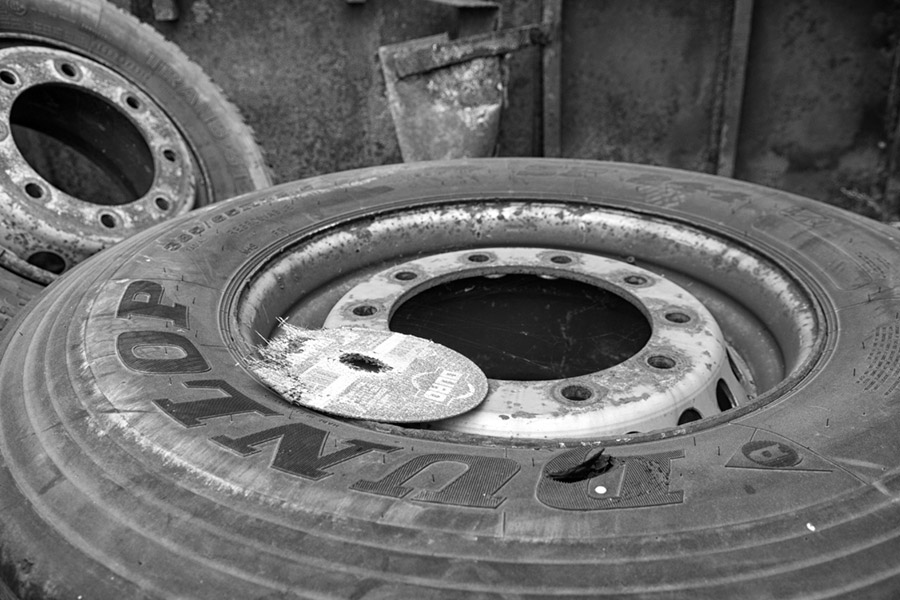
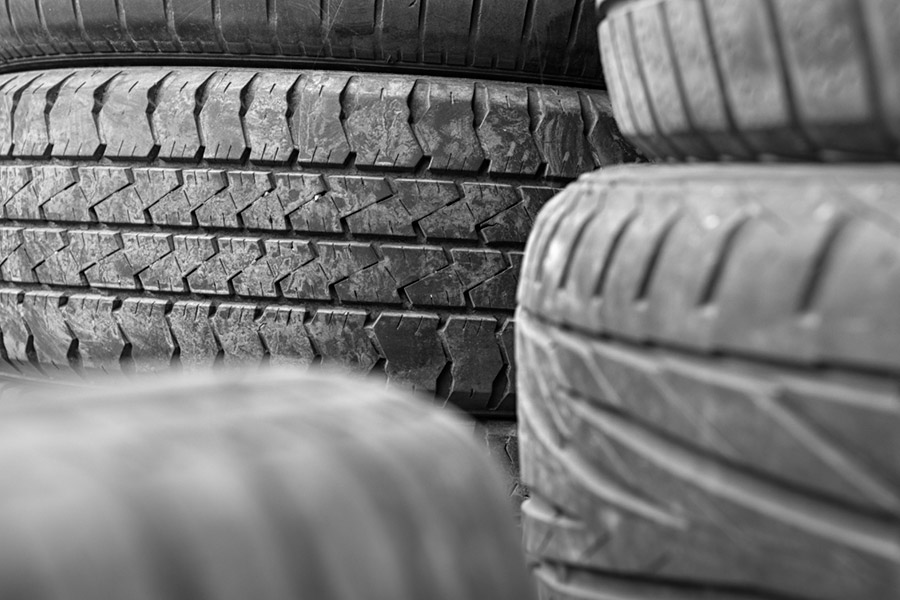
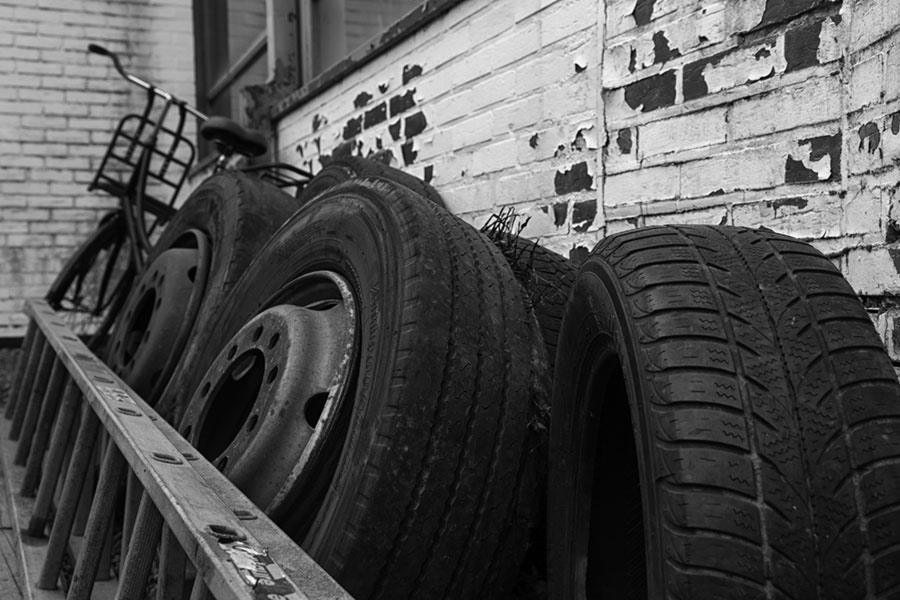
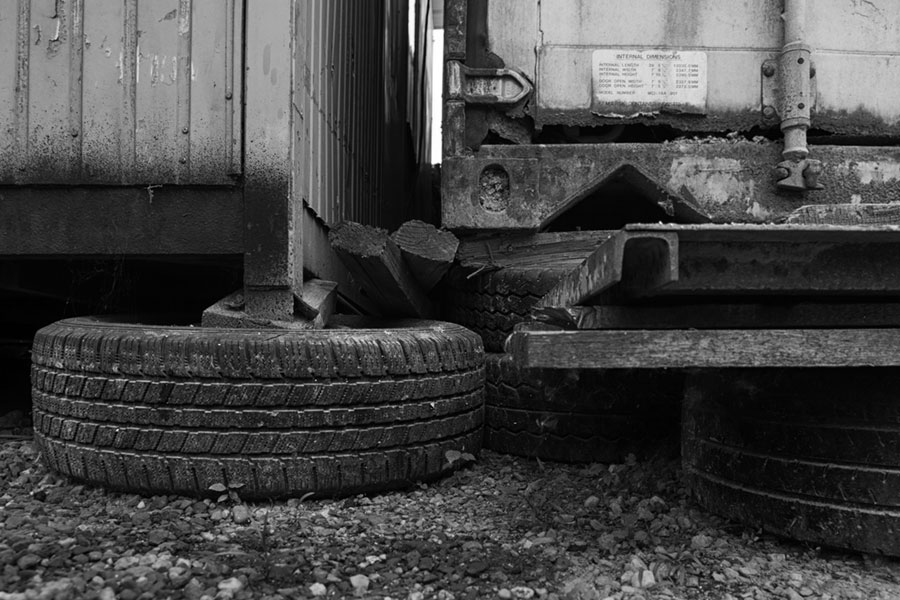
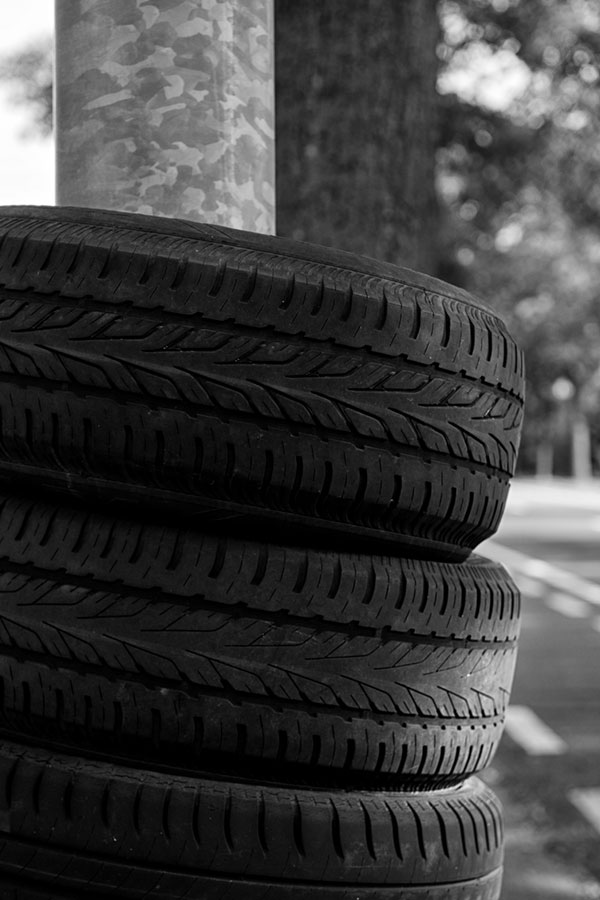
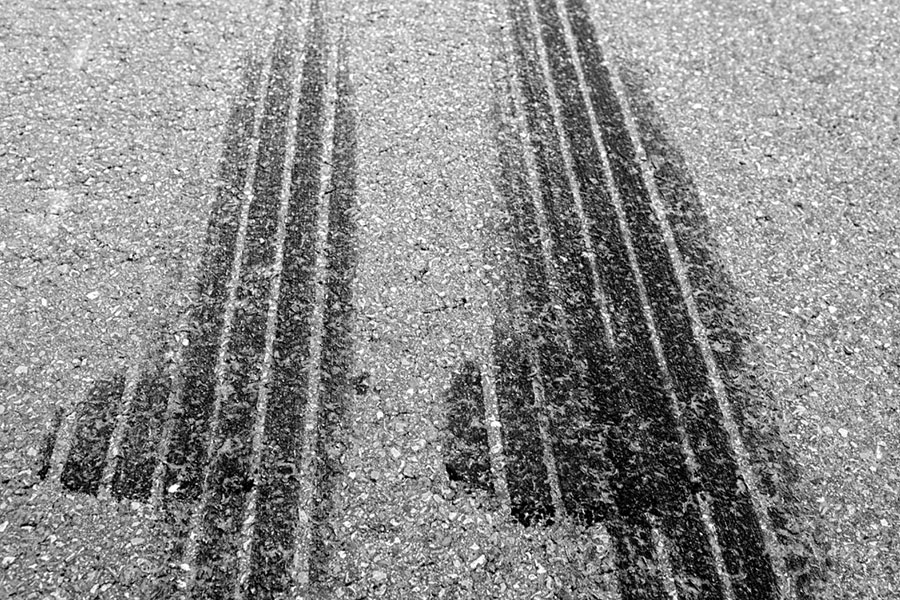
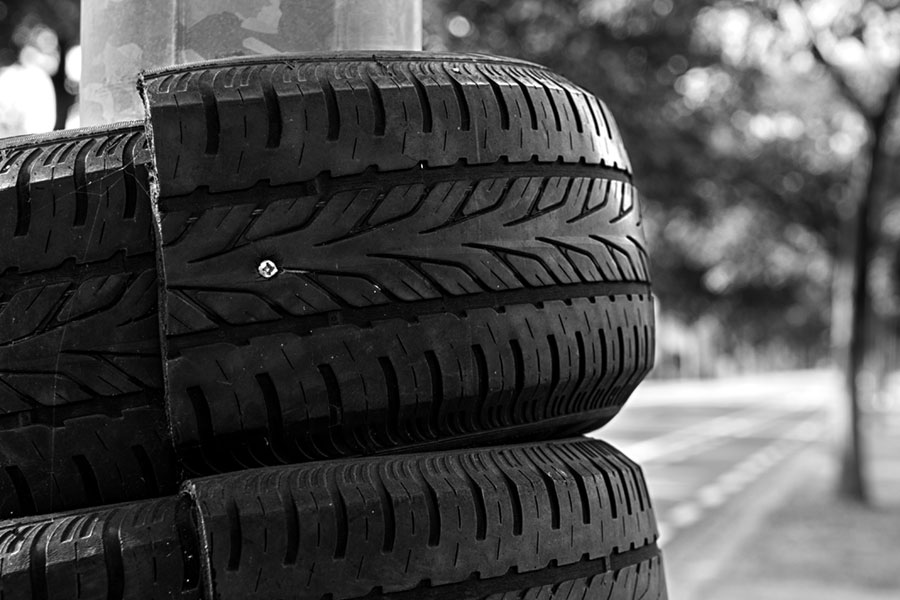
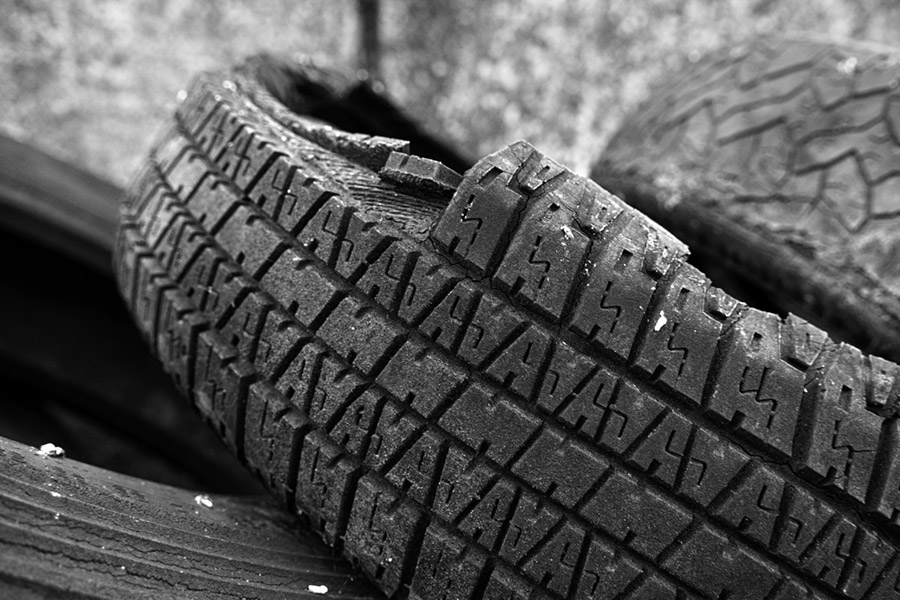
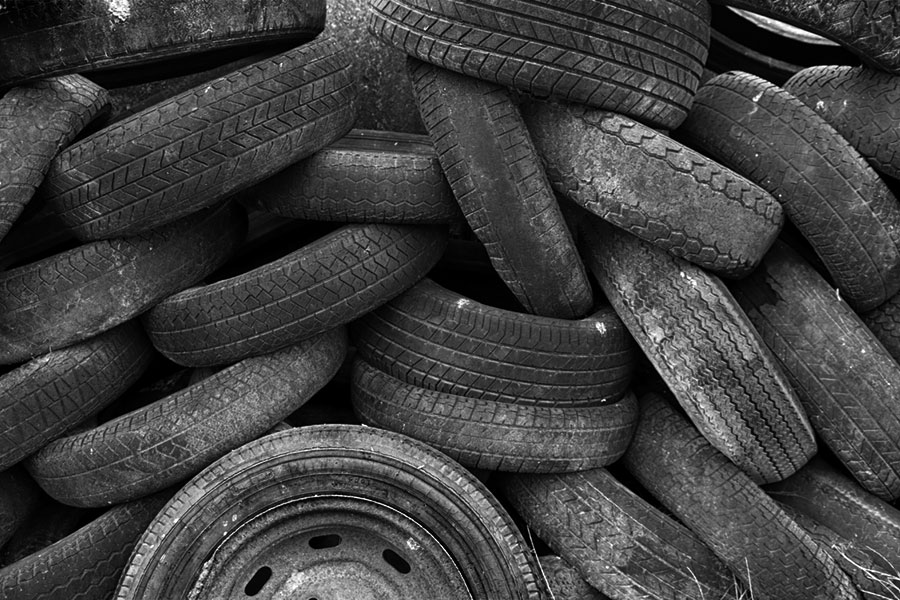
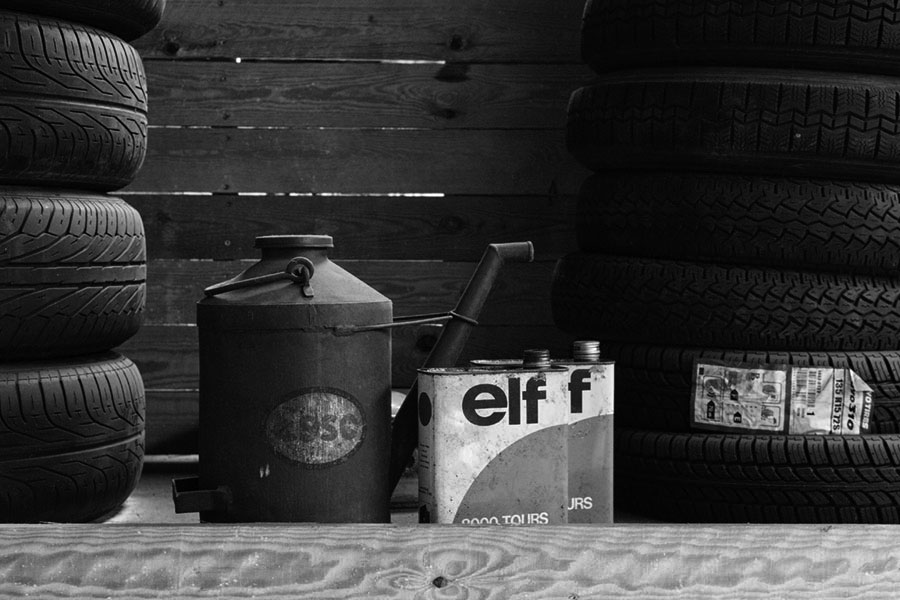
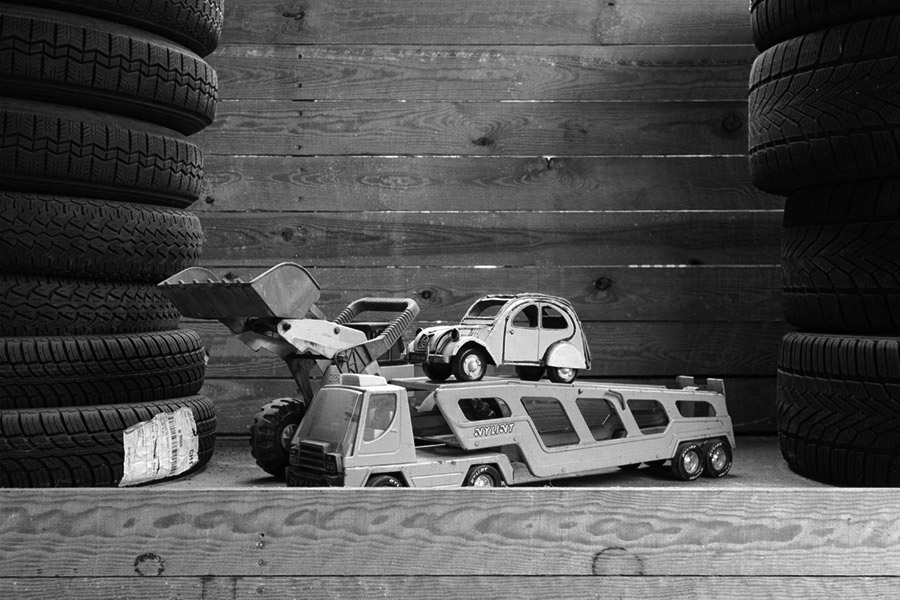
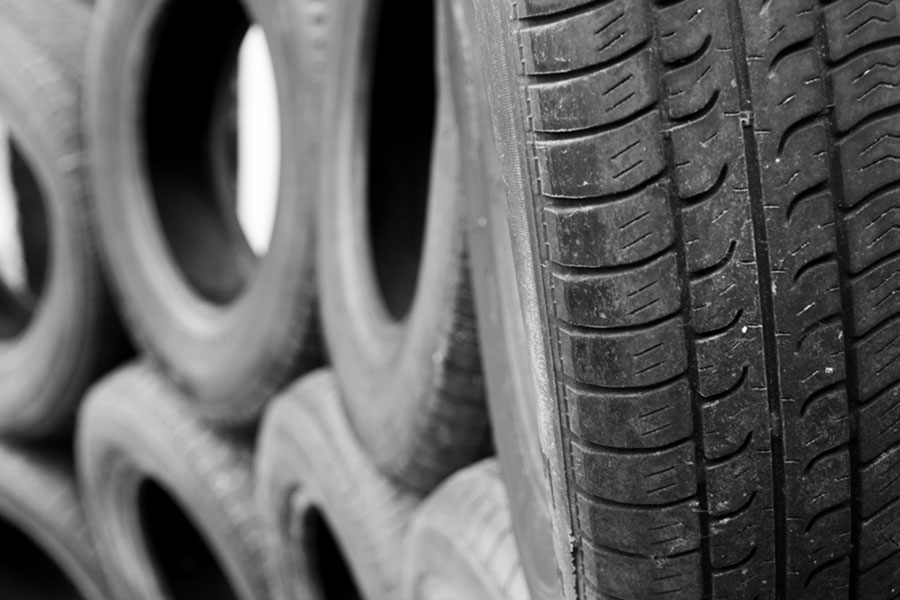
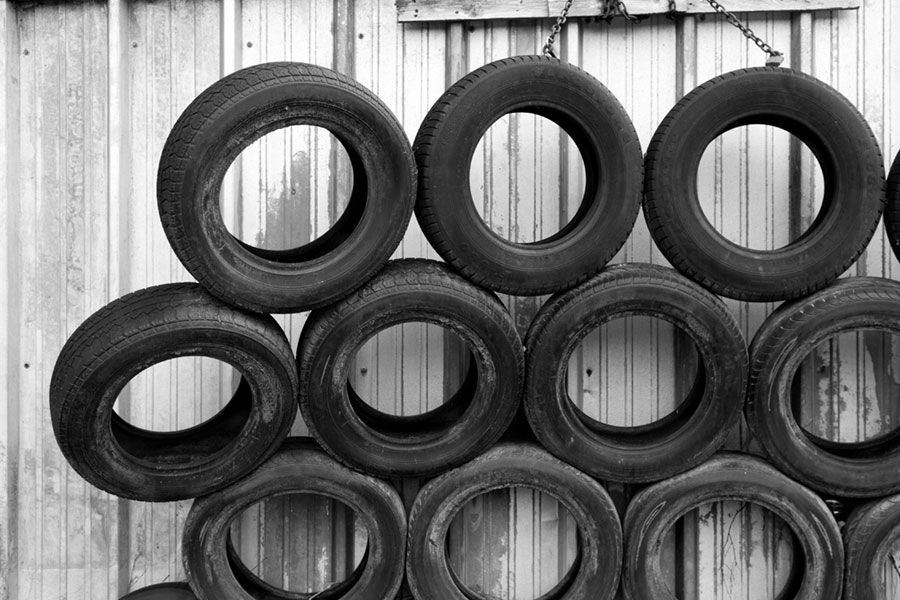
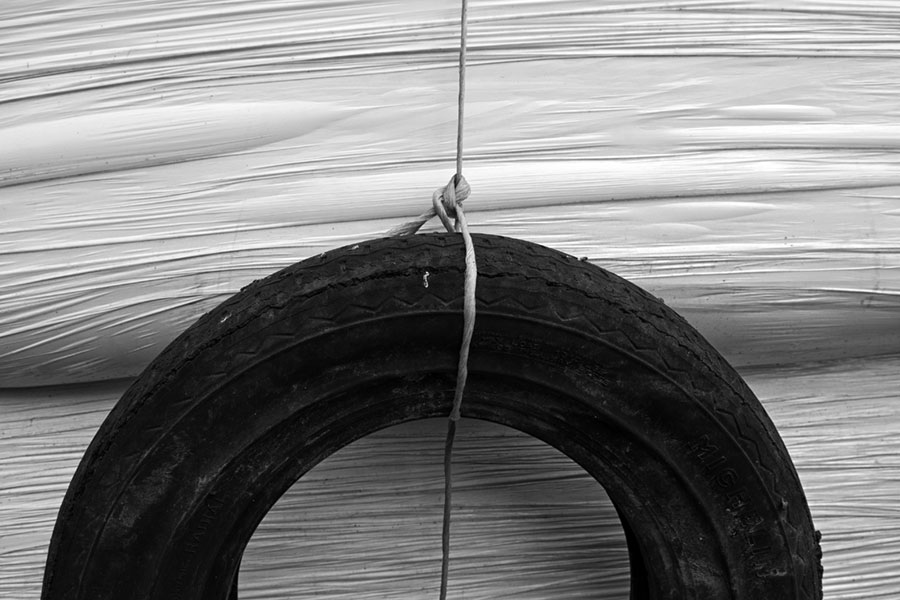
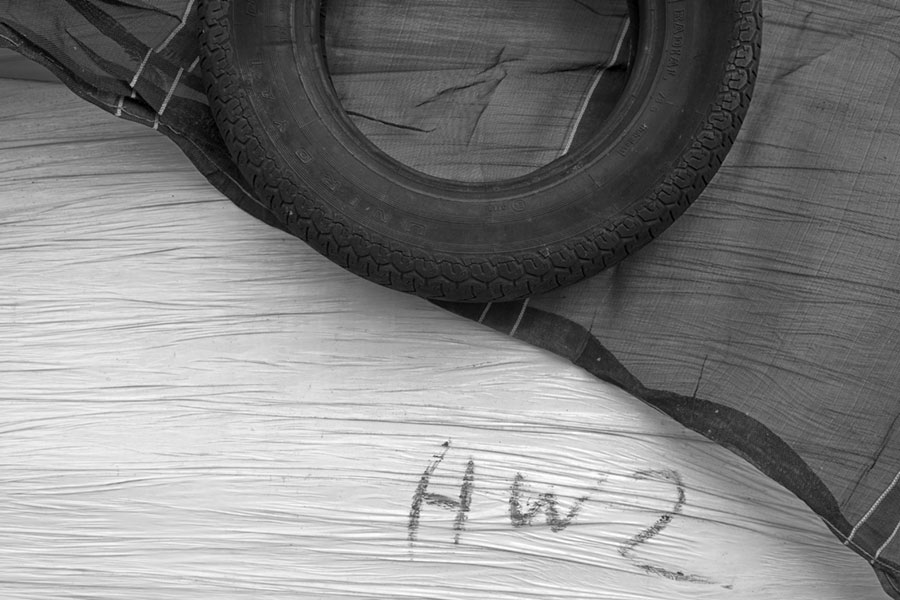
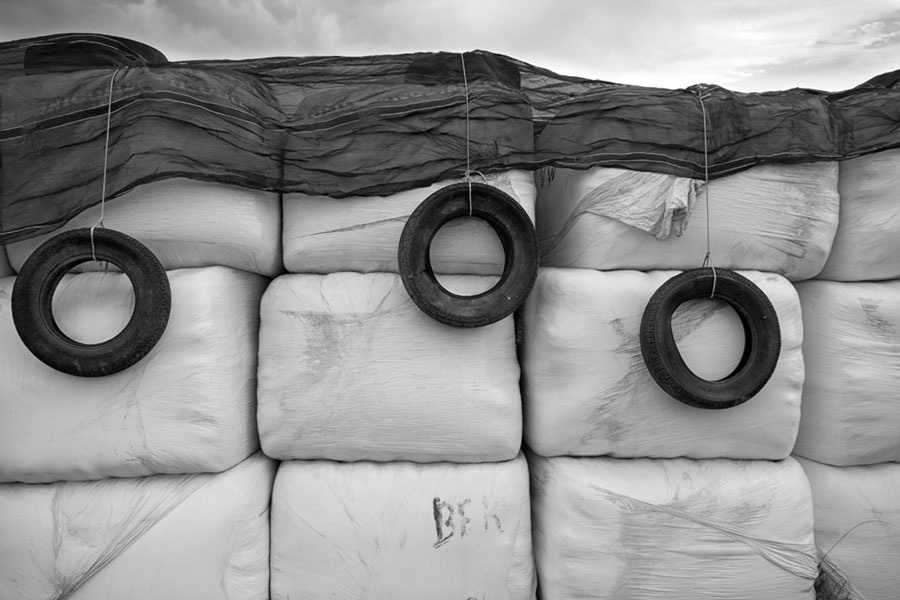
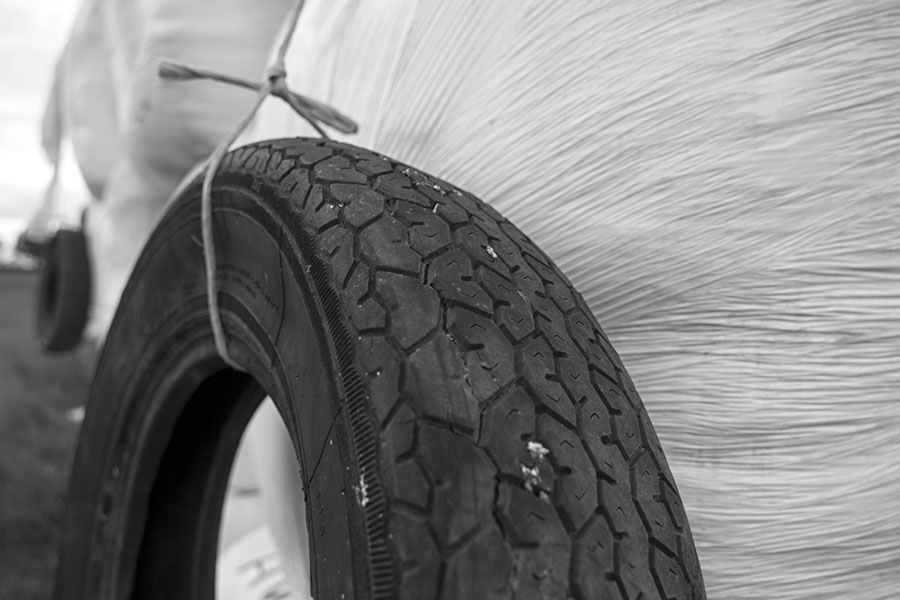
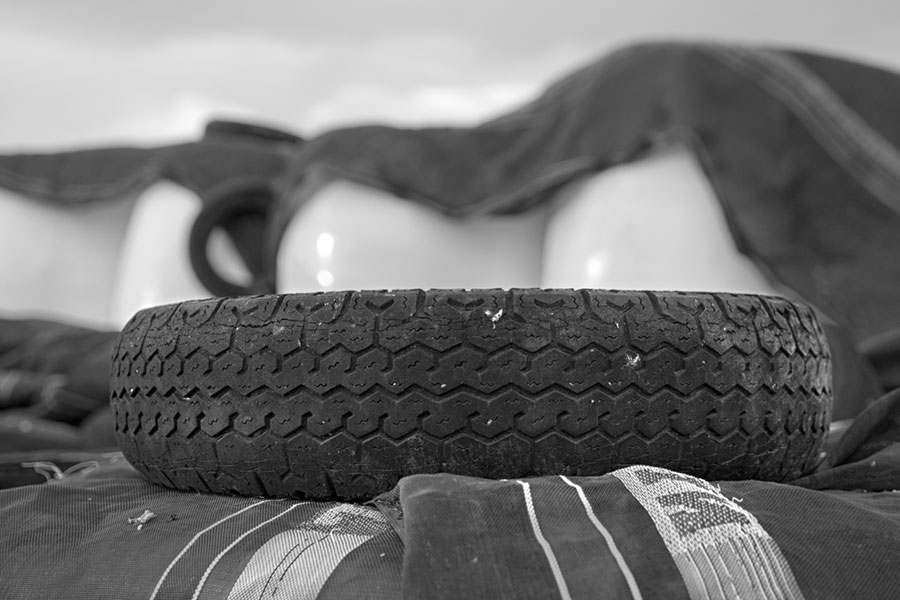
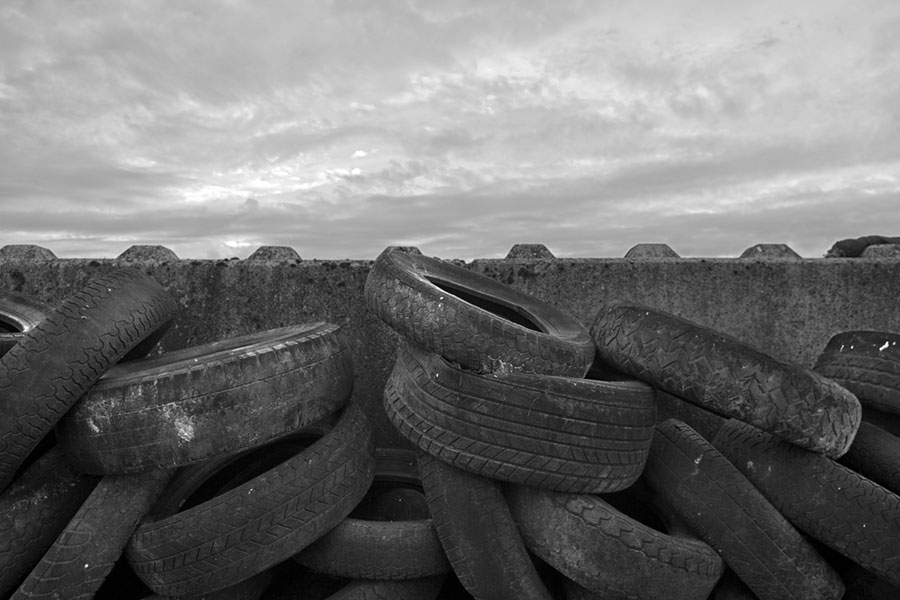
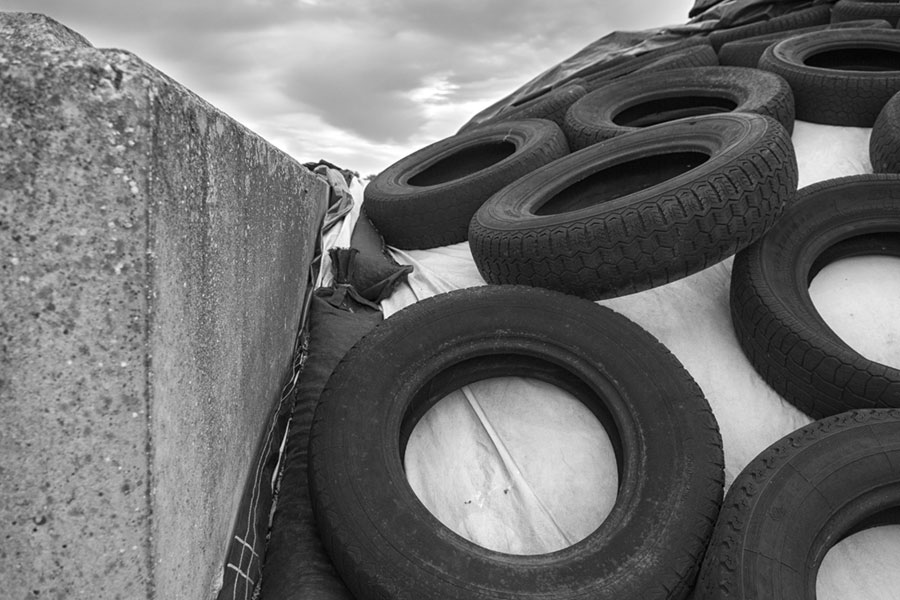
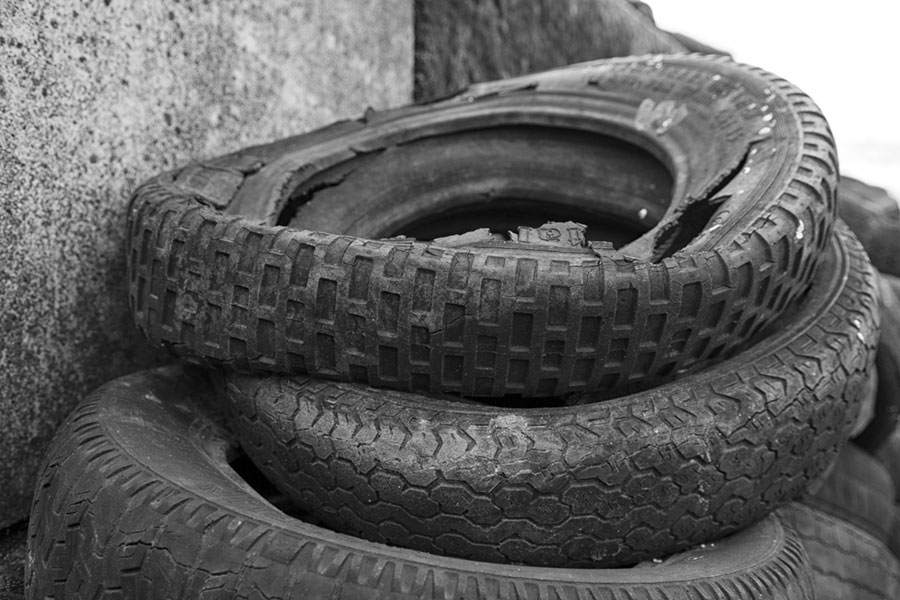
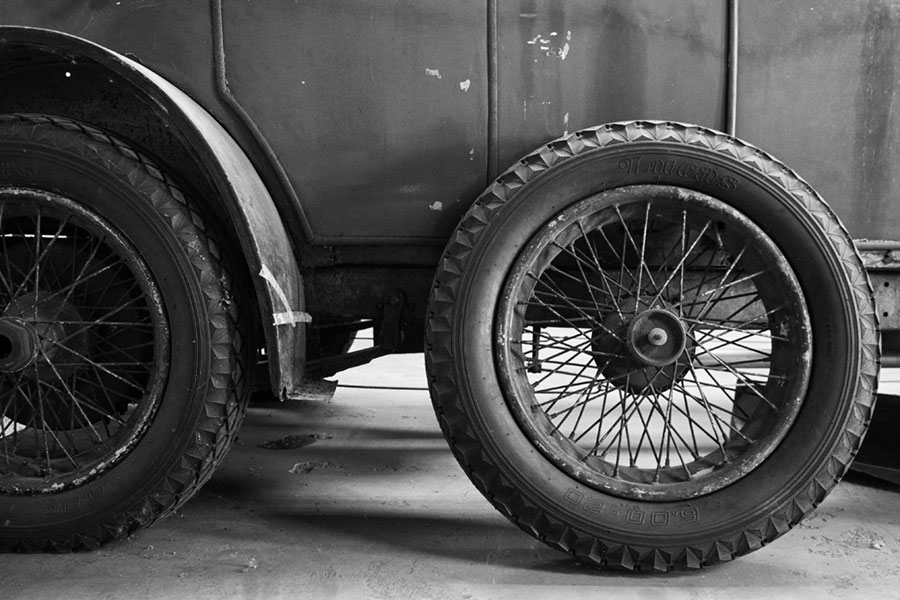
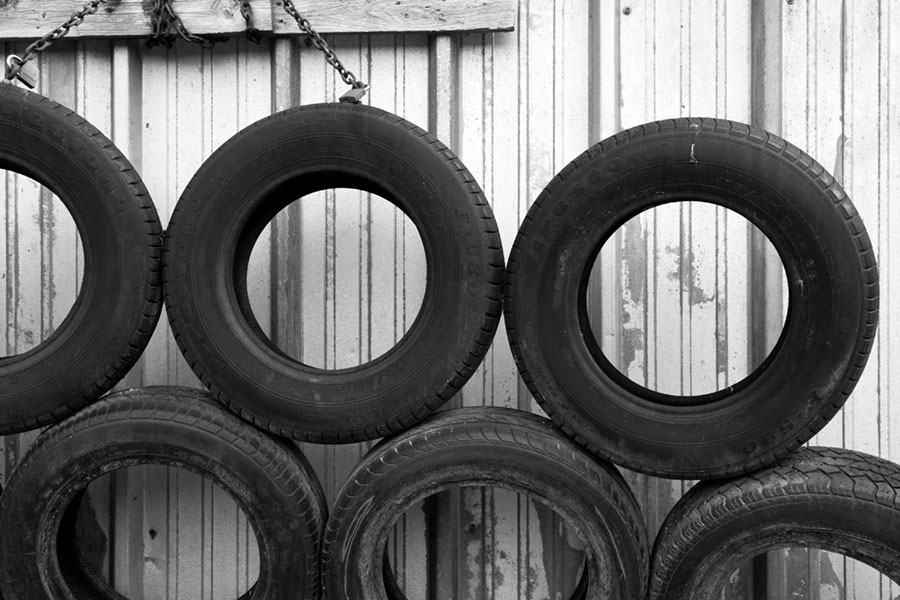
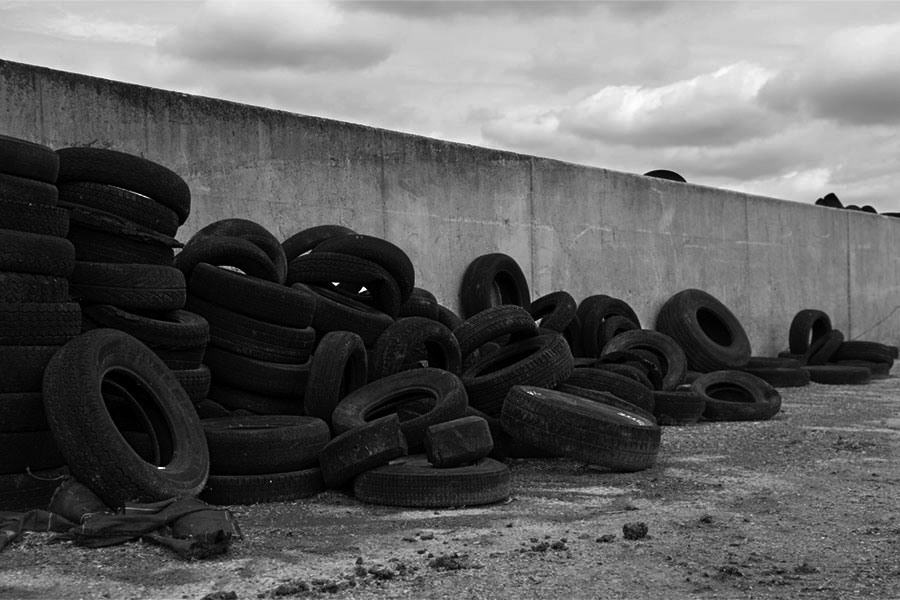
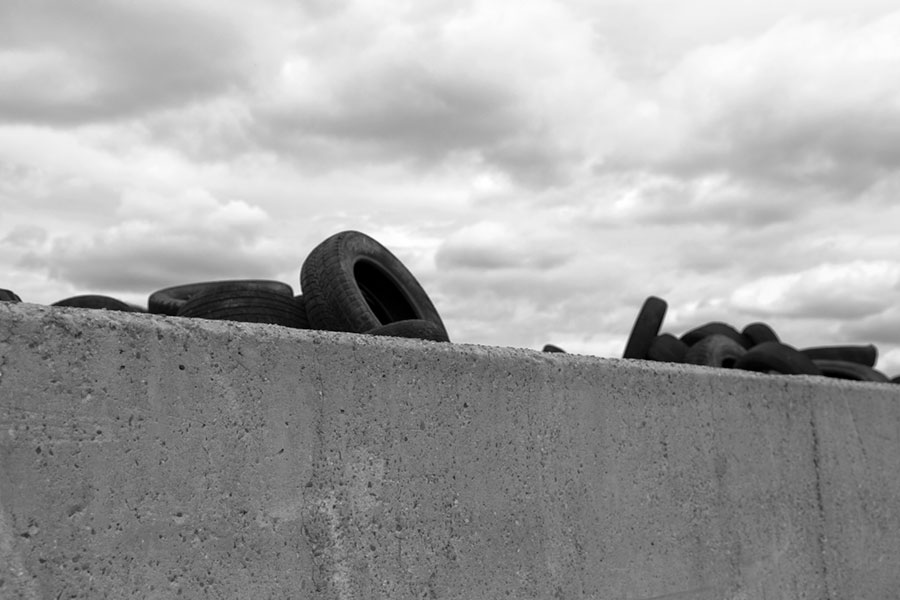
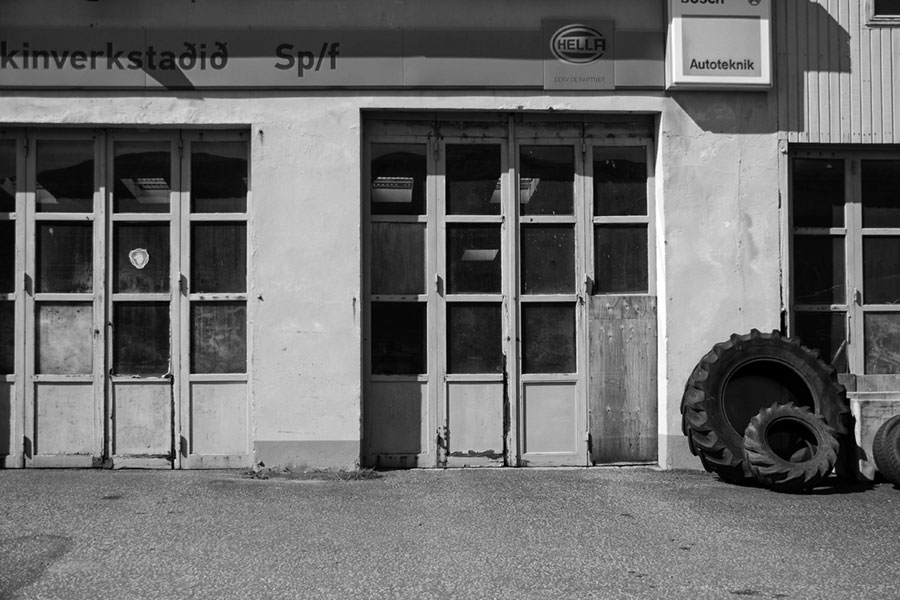
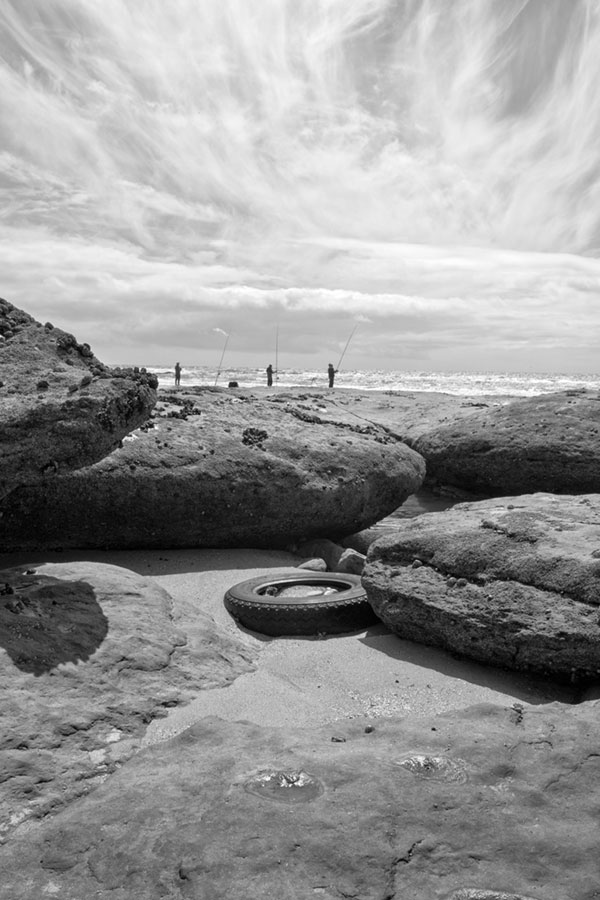
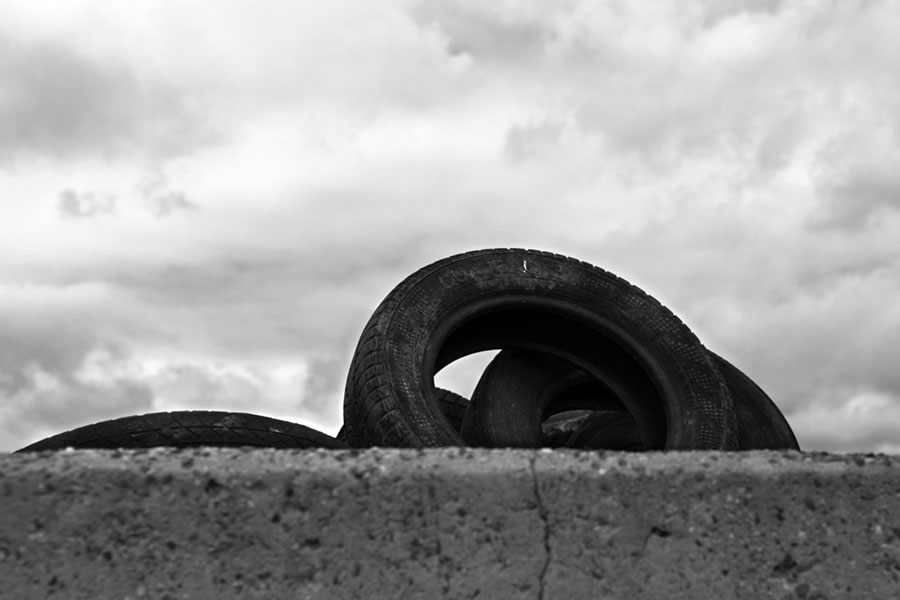
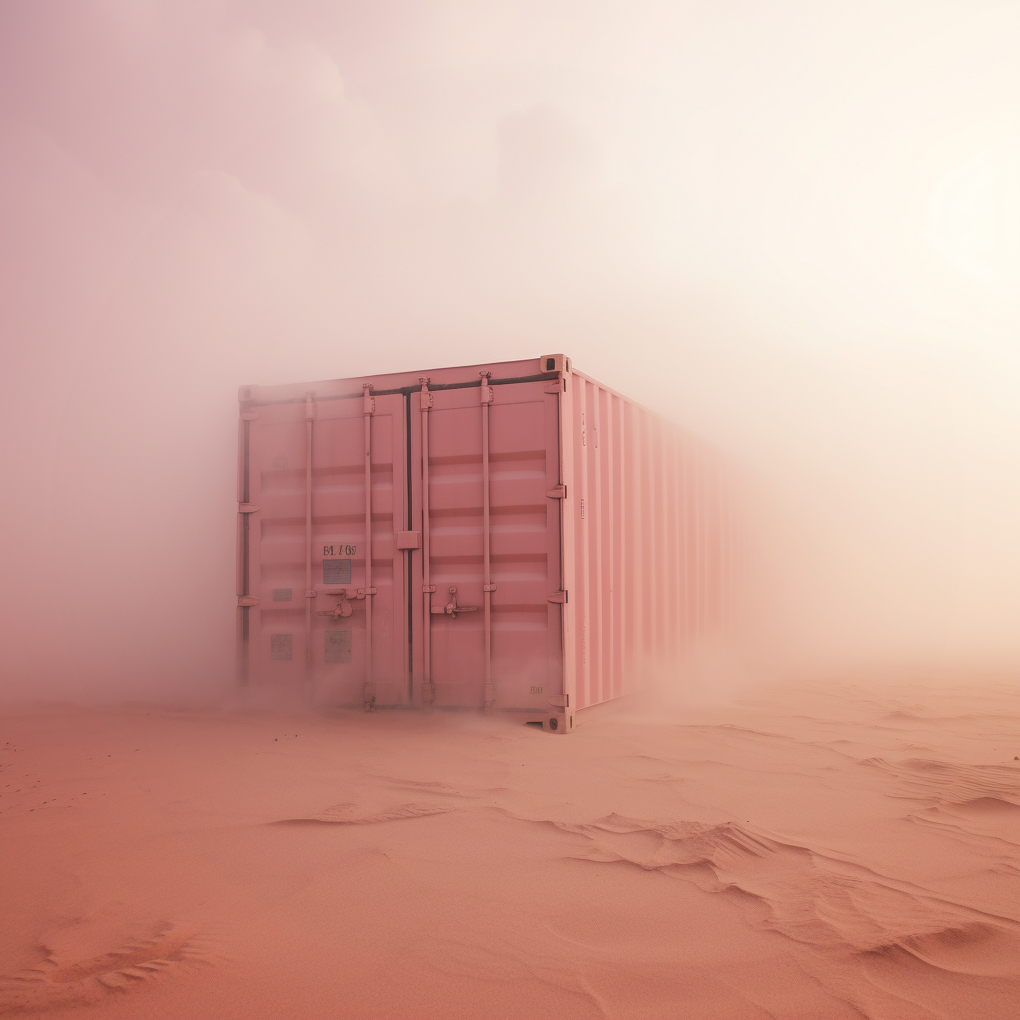
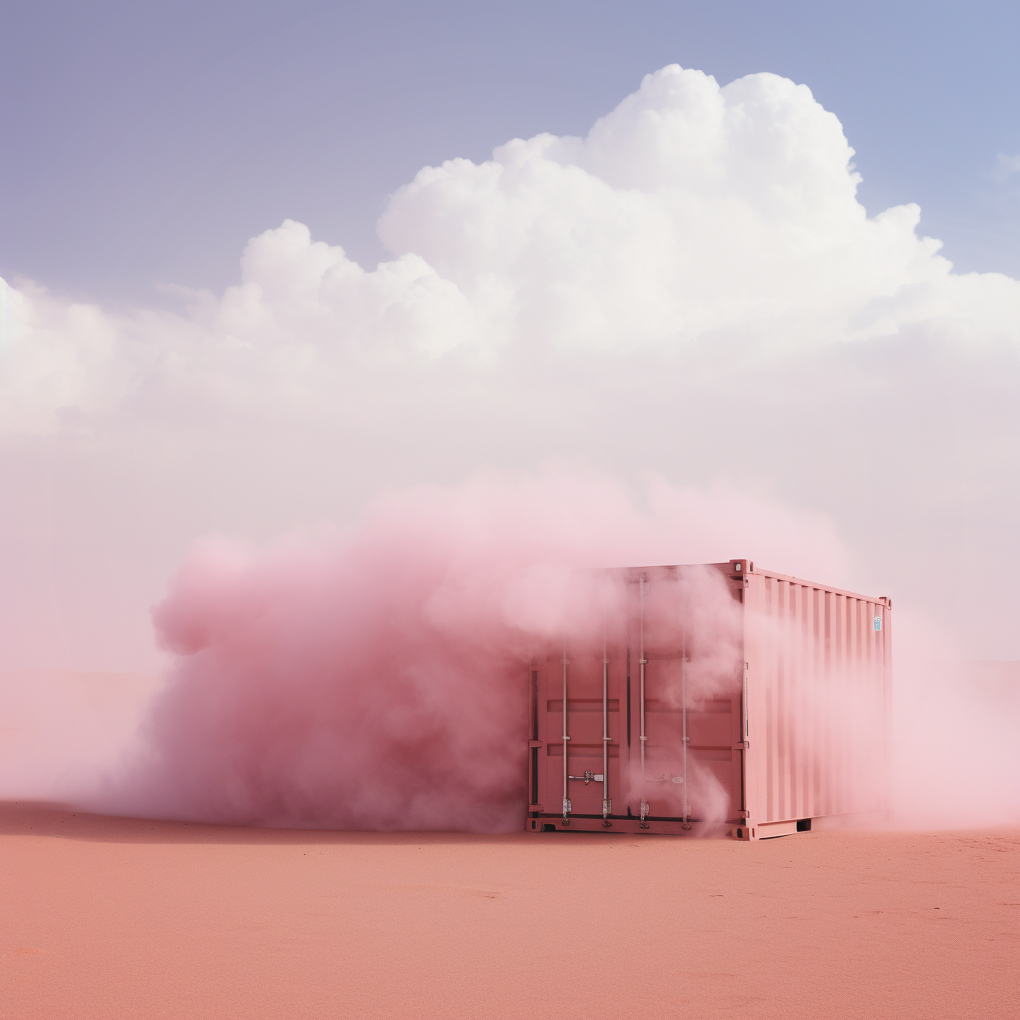
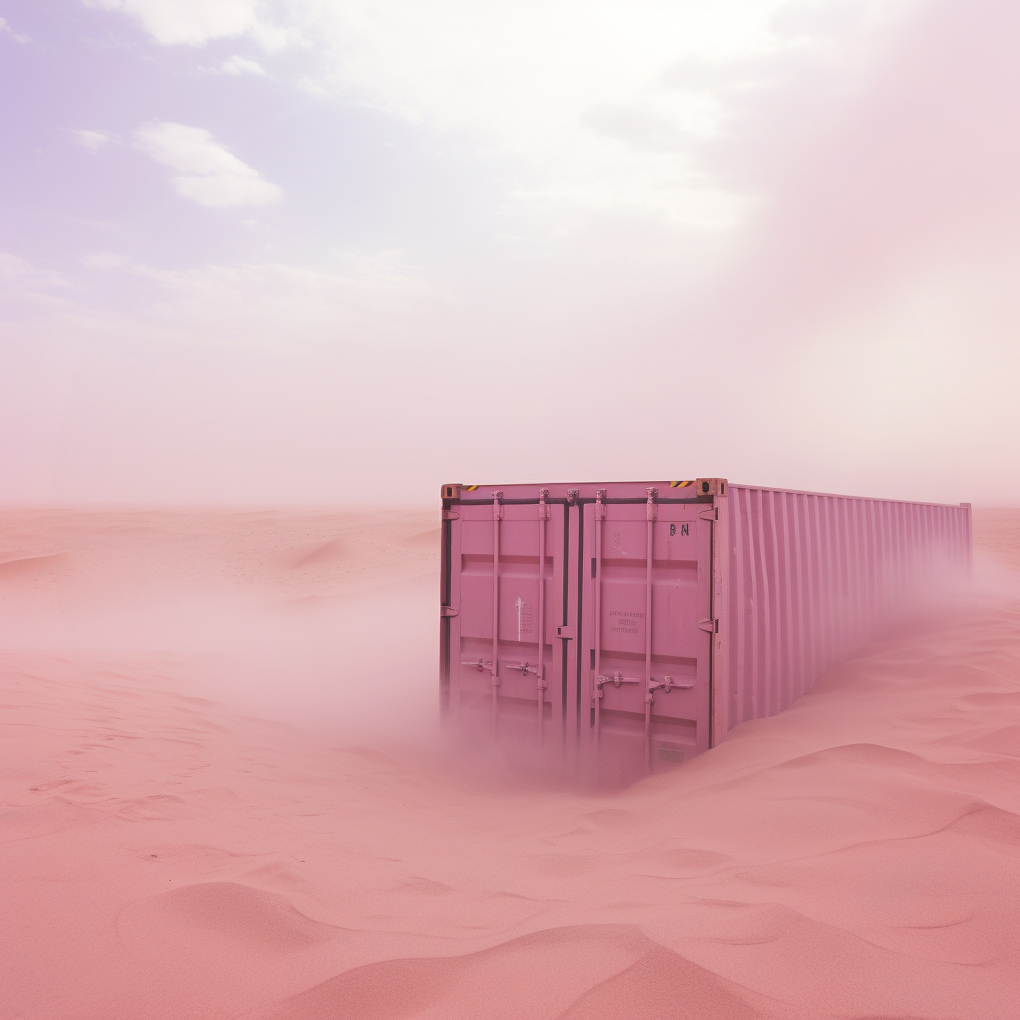
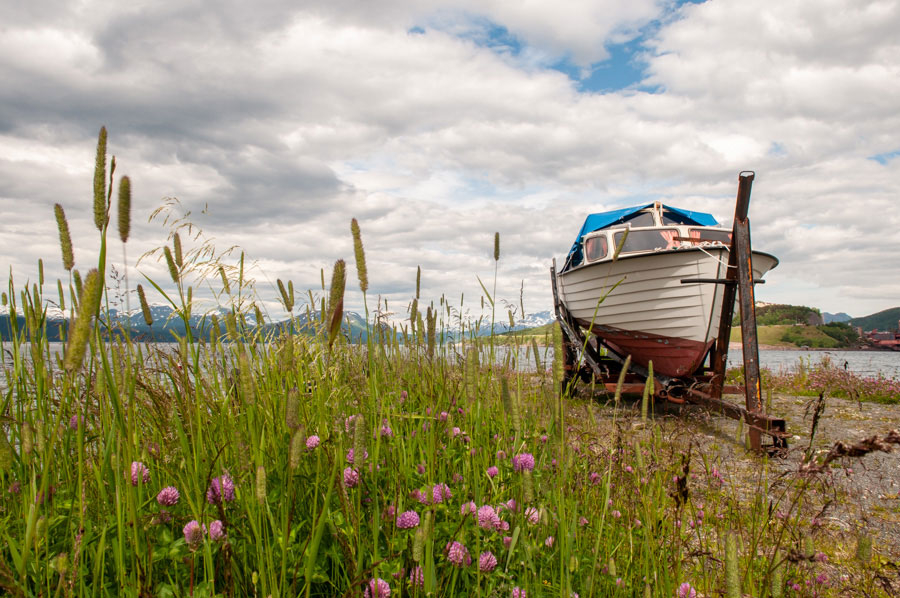
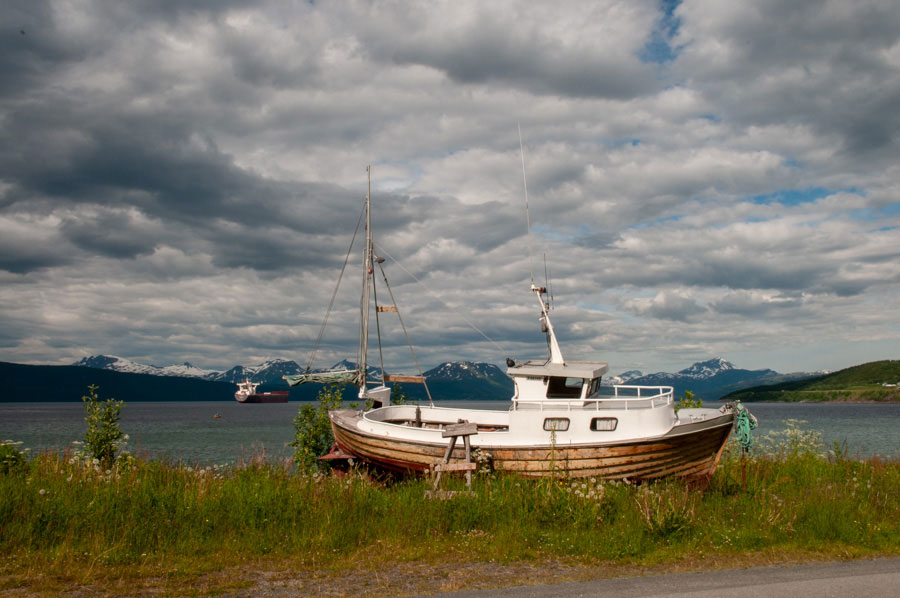
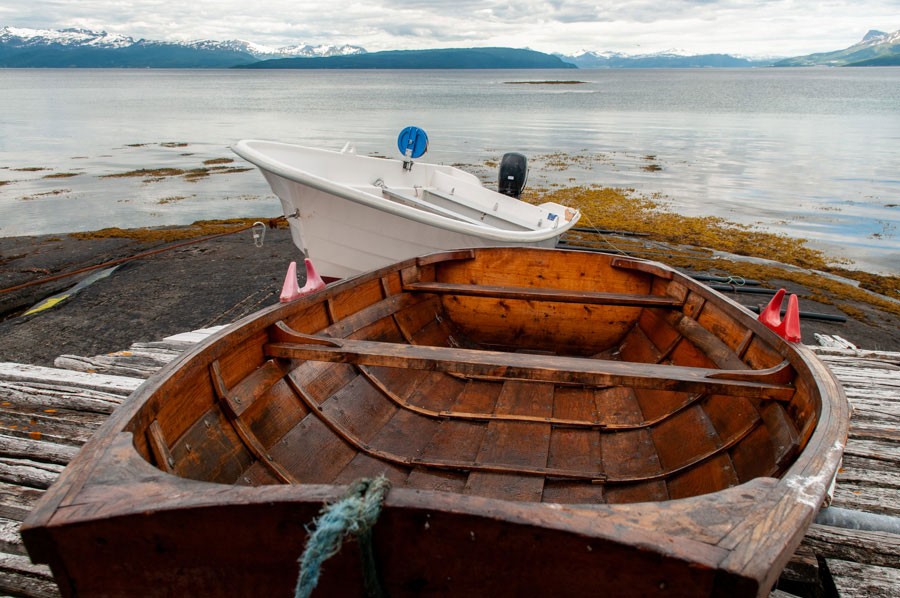
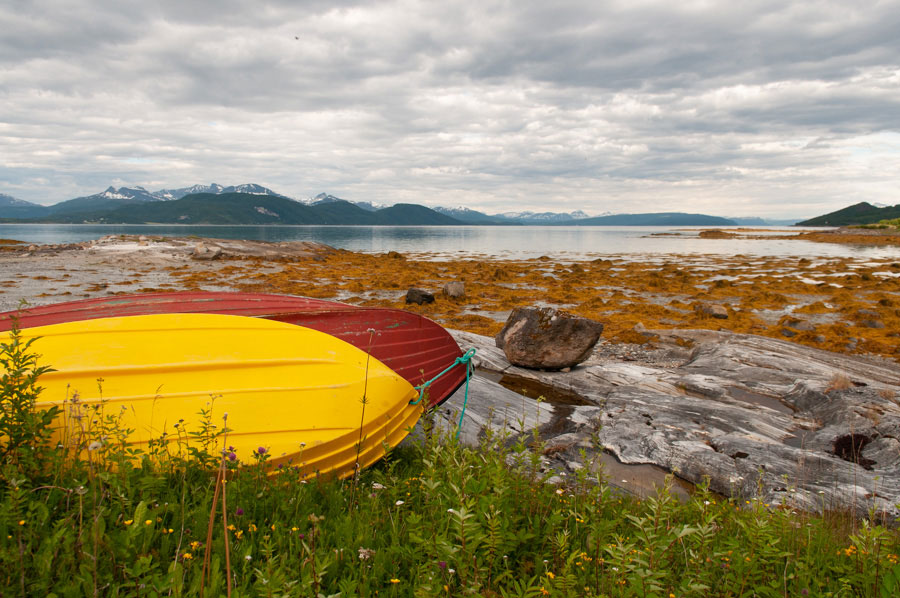
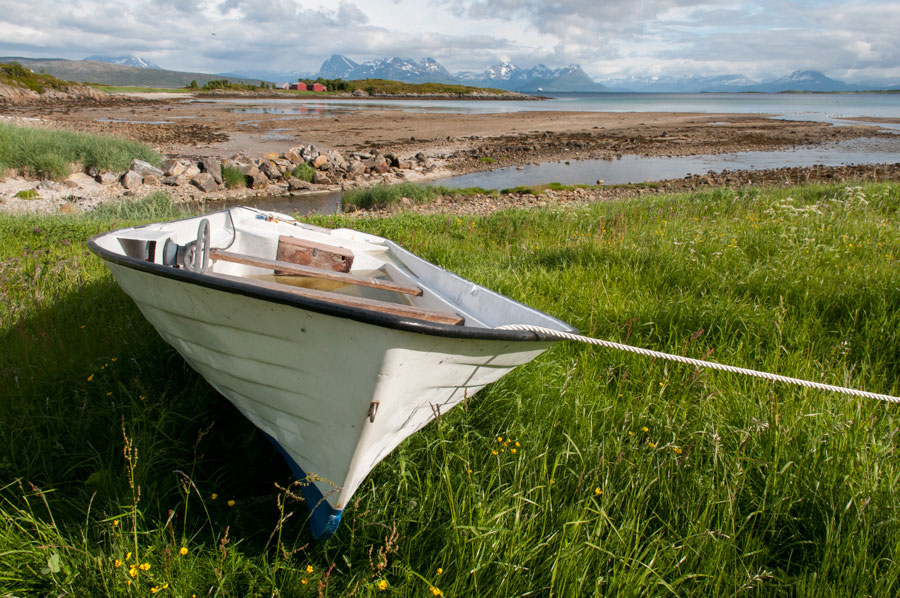
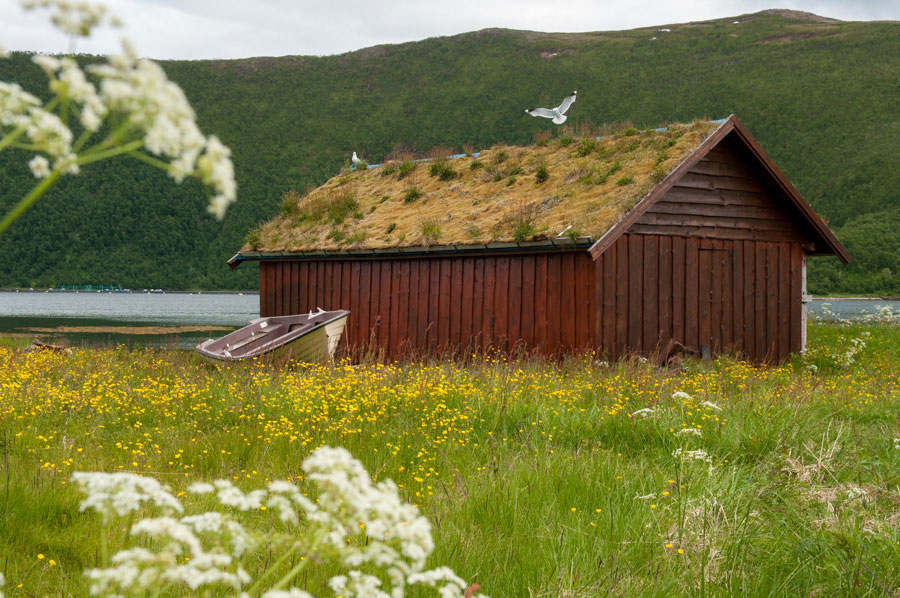
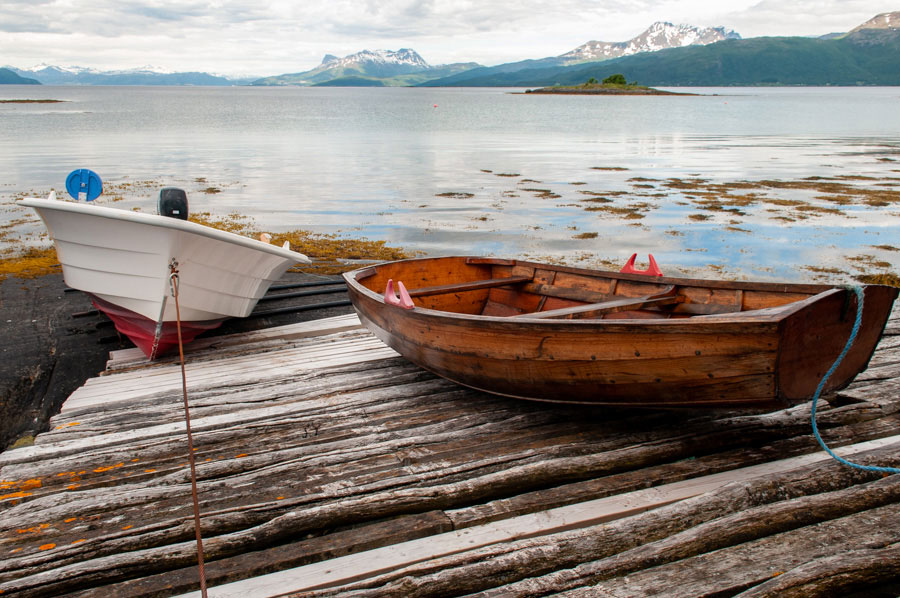
For our photographic explorations, we select specific objects, subjects or visual motifs and return to them repeatedly. By photographing the same element in different environments, under different circumstances or from different perspectives, we shift its meaning and challenge our perception of the familiar. What initially appears ordinary can become intriguing; what seems insignificant can reveal unexpected character. Through repetition, subtle differences begin to emerge, encouraging us to look more closely and discover what might otherwise go unnoticed.
The strength of this approach lies in the interplay between consistency and variation. Each image belongs to a larger whole, yet retains its own identity. Together, the photographs create a visual dialogue in which meaning is never entirely fixed. Context changes our perception, juxtaposition creates new associations, and repetition transforms the familiar into something worth reconsidering. The subject may remain the same, but the story continues to evolve.
Our work is rooted in this process of looking, observing and reinterpreting. We are interested in the visual potential of everyday things, in the unexpected stories hidden within ordinary objects, and in the ways photography can transform the way we see them. Rather than offering definitive answers, we prefer to raise questions and leave room for curiosity, imagination and personal interpretation.
Ultimately, we believe that a photograph does not need to explain everything. Sometimes, its greatest strength lies in creating a pause — a moment in which we stop, look again and begin to see differently. A series of images can become more than the sum of its parts: a collection of observations that gradually reveals a story, shaped as much by the photographer's choices as by the viewer's own experiences and imagination.
We invite you to explore these visual narratives at your own pace. Look for the repetitions, notice the differences, and allow each image to speak in its own way. Perhaps you will discover a story we intended to tell. Perhaps you will find one of your own.
WOODLAND STUDIO is our creative studio, specialising in visual communication. We believe in the power of clear ideas, thoughtful imagery and meaningful storytelling. Our approach is simple: to communicate with clarity, without unnecessary complexity, and to create work that resonates. Through photography, design and visual experimentation, we explore how images can inform, engage and inspire — always with the conviction that the strongest stories do not simply demand attention, but give us a reason to look a little longer.
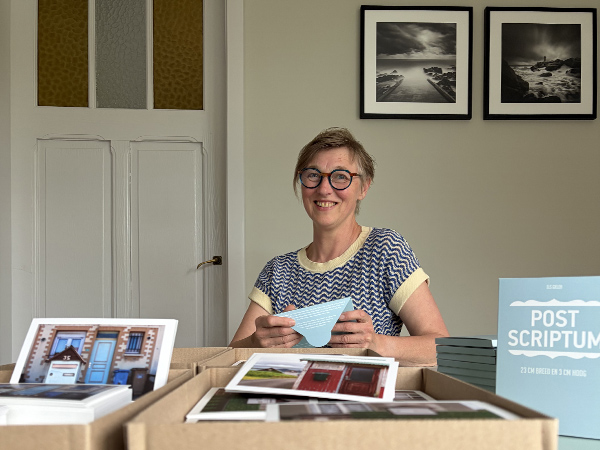
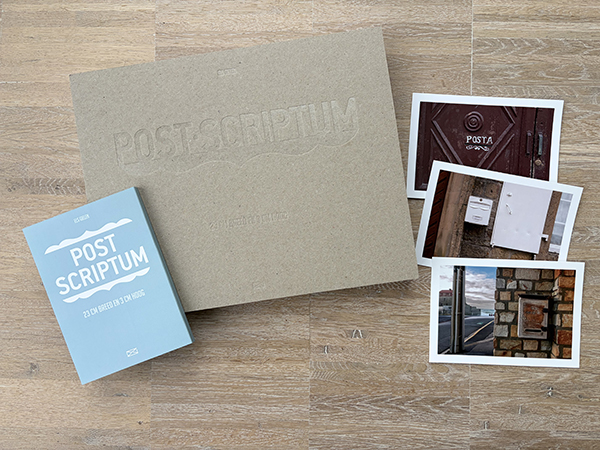
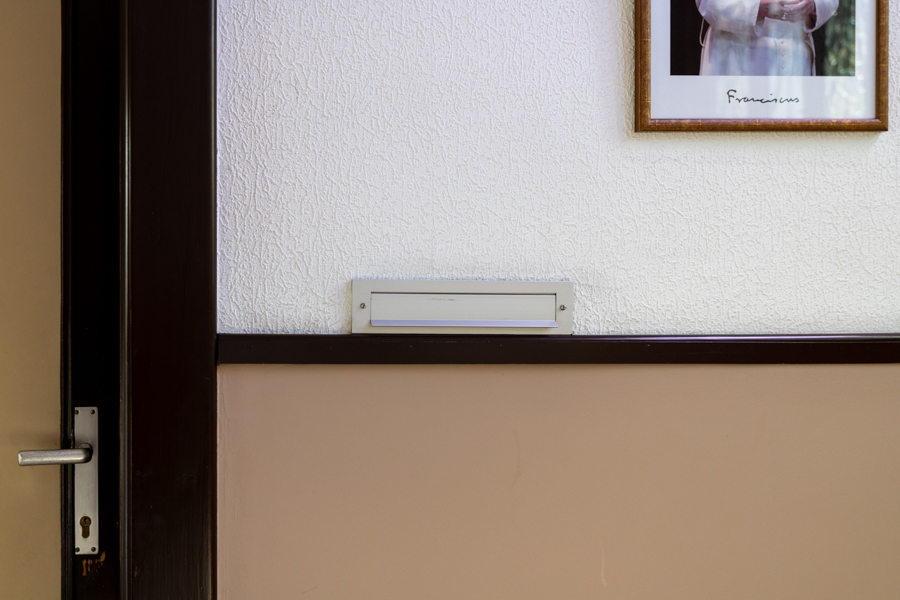
9 by 1,18 inch.
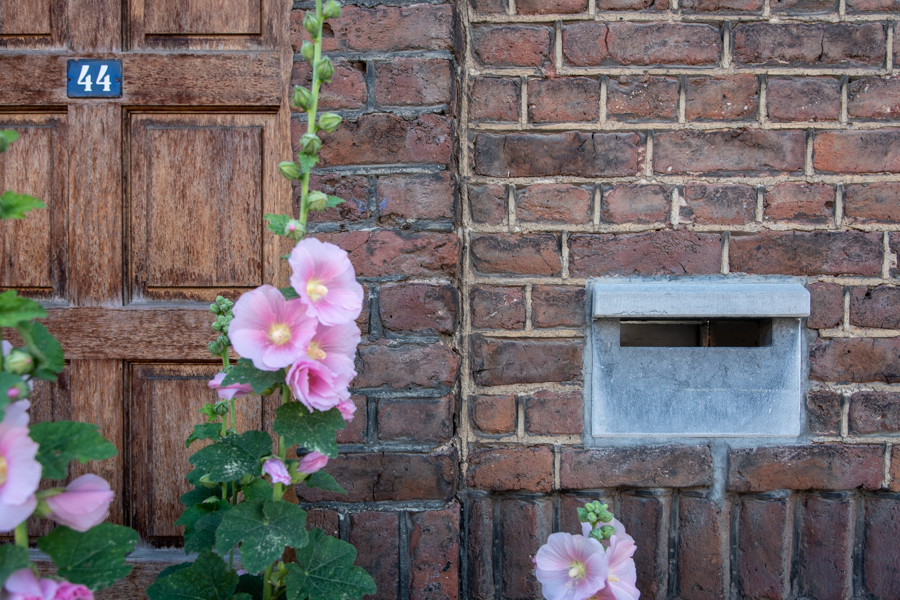
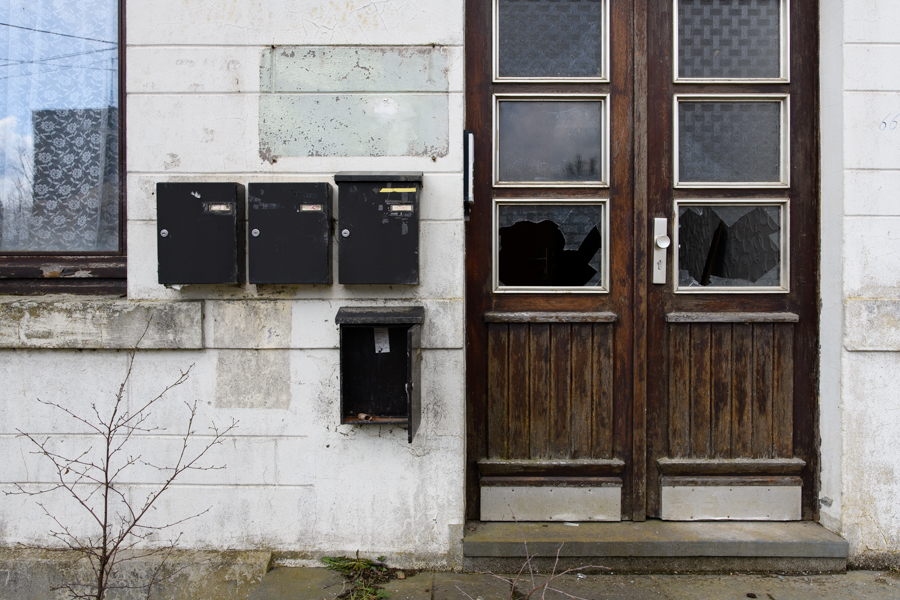
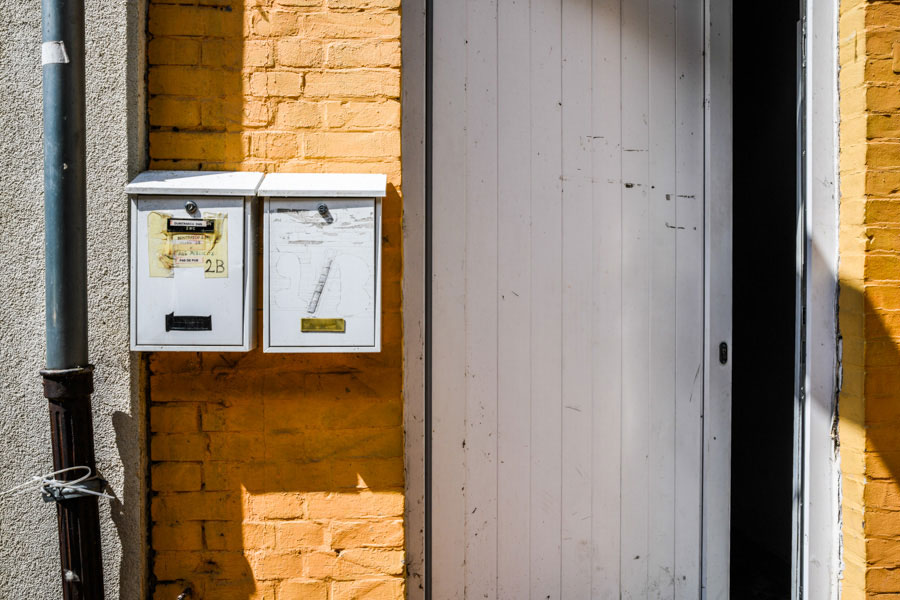
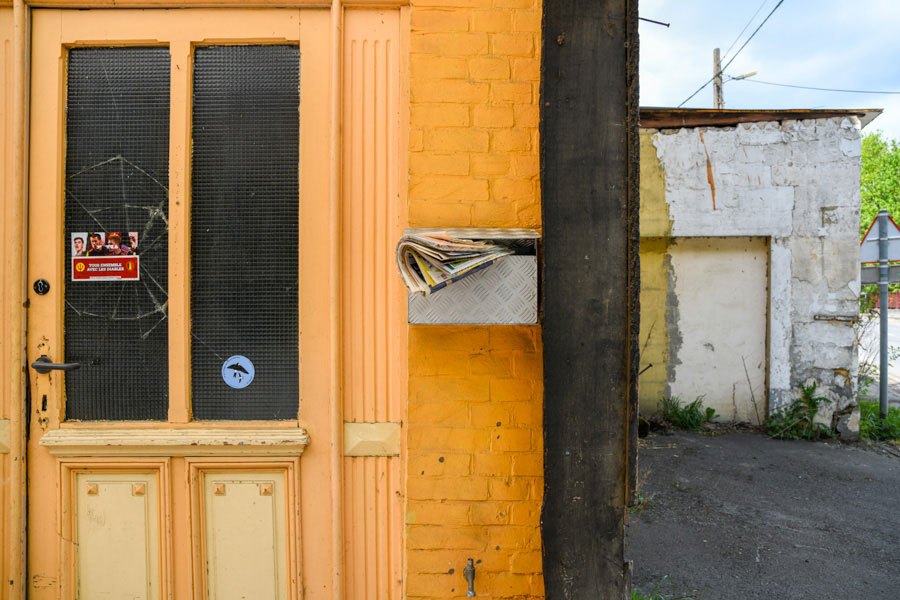
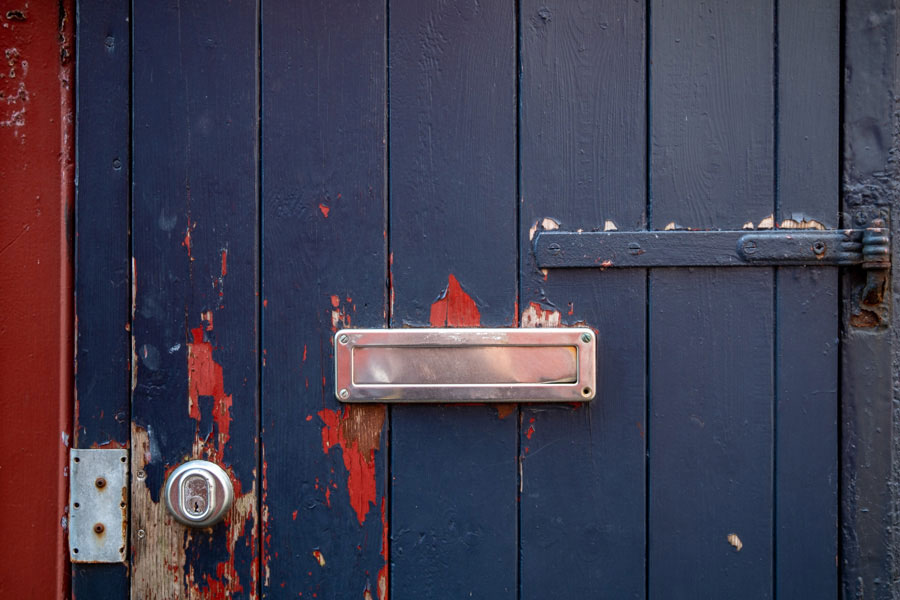
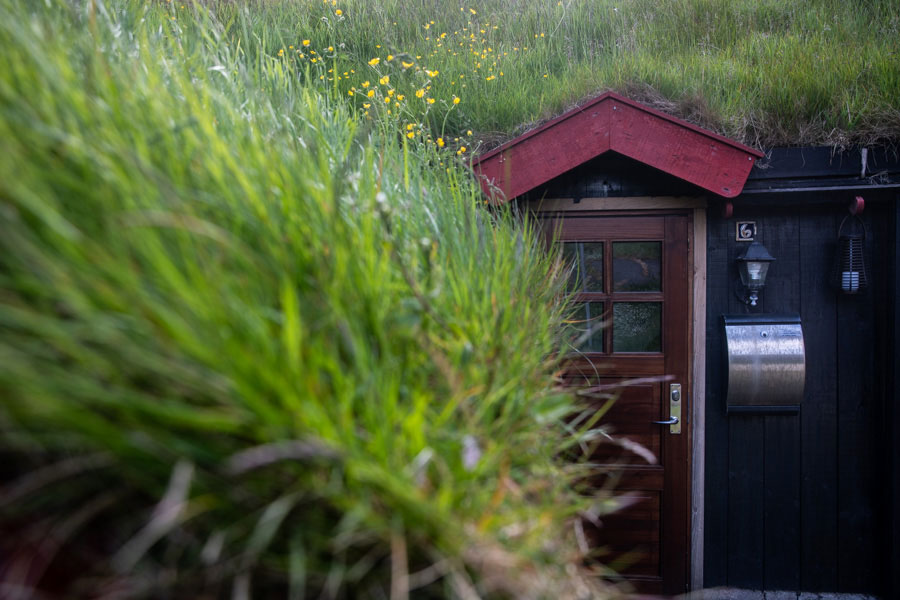
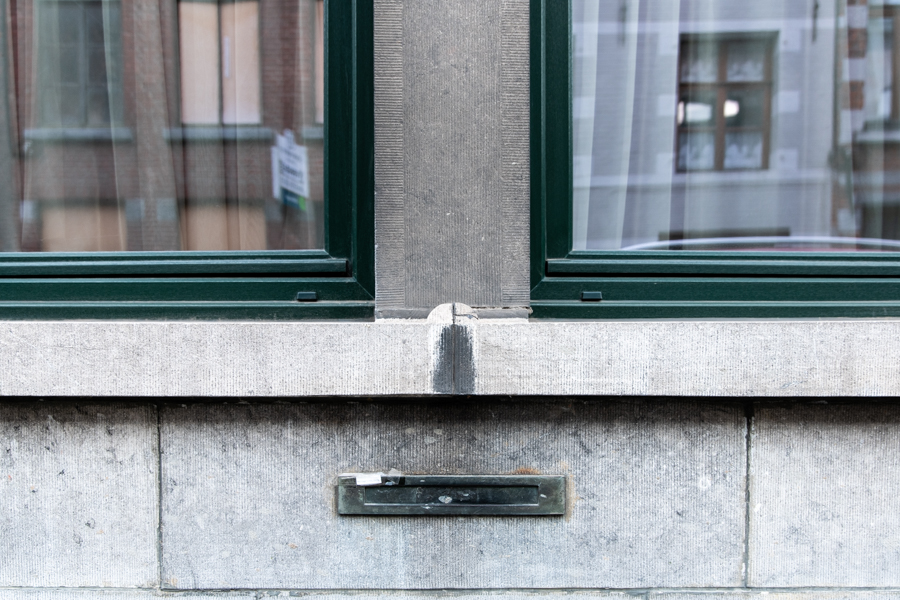
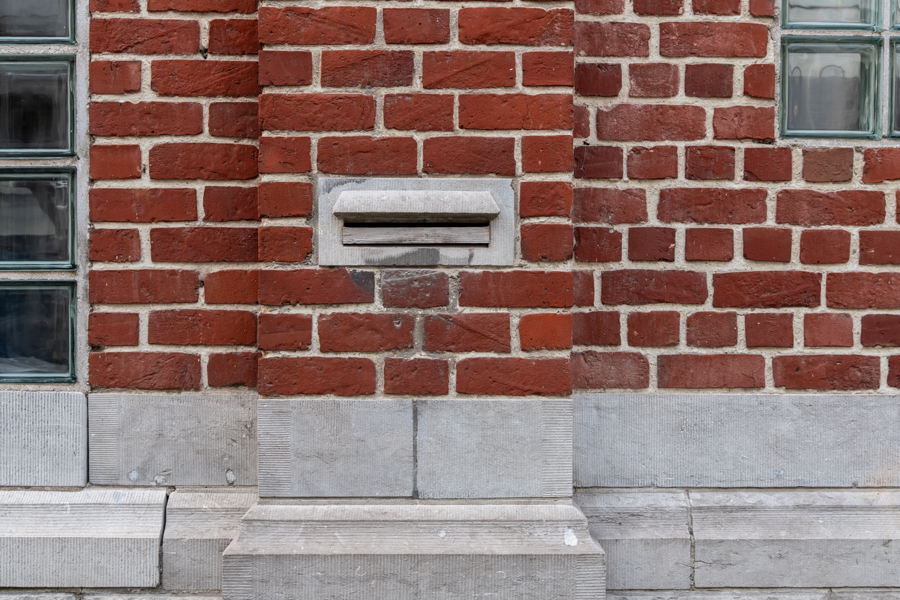
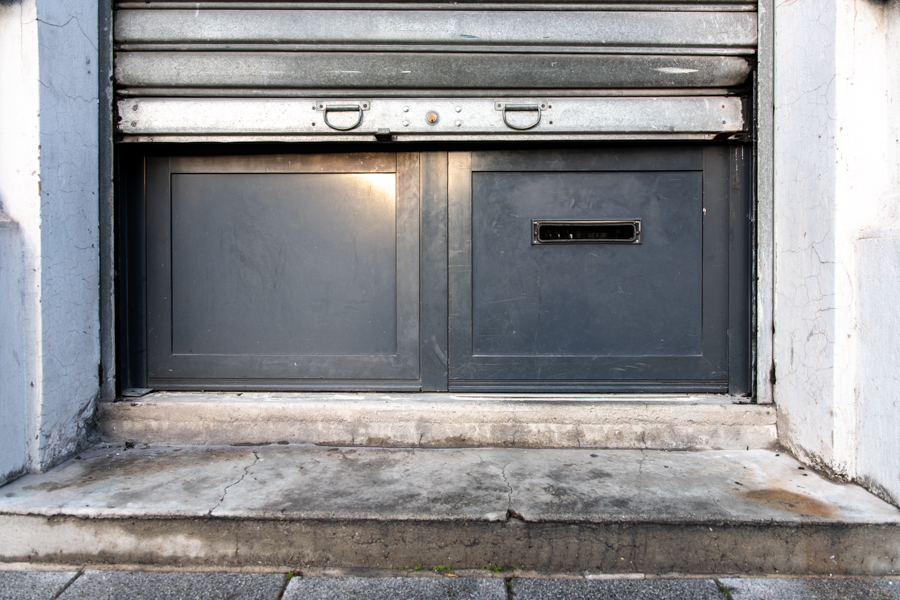
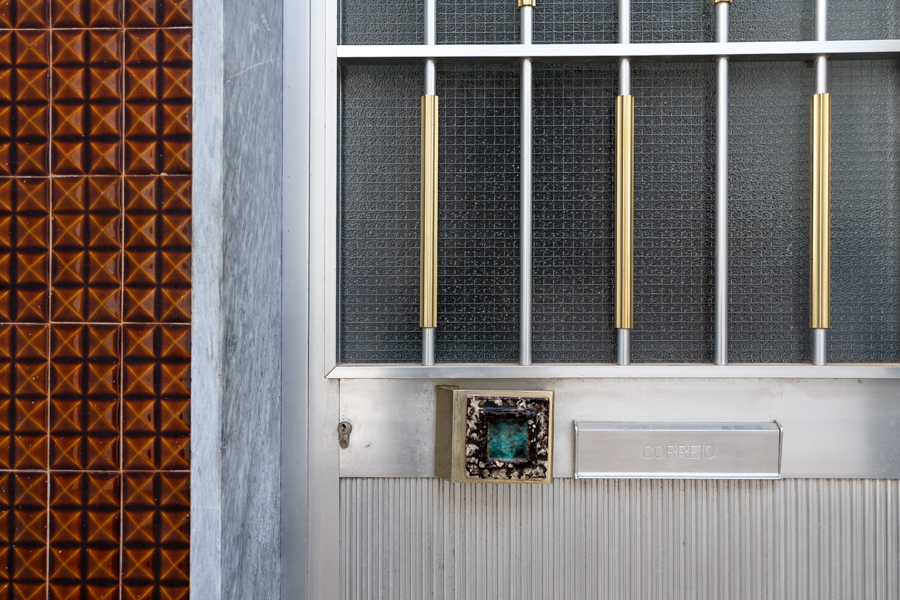
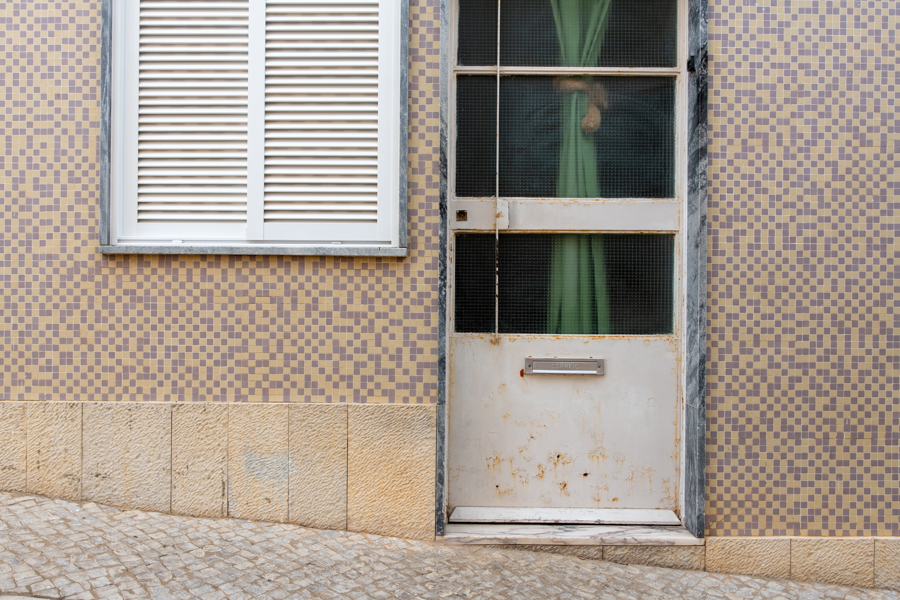
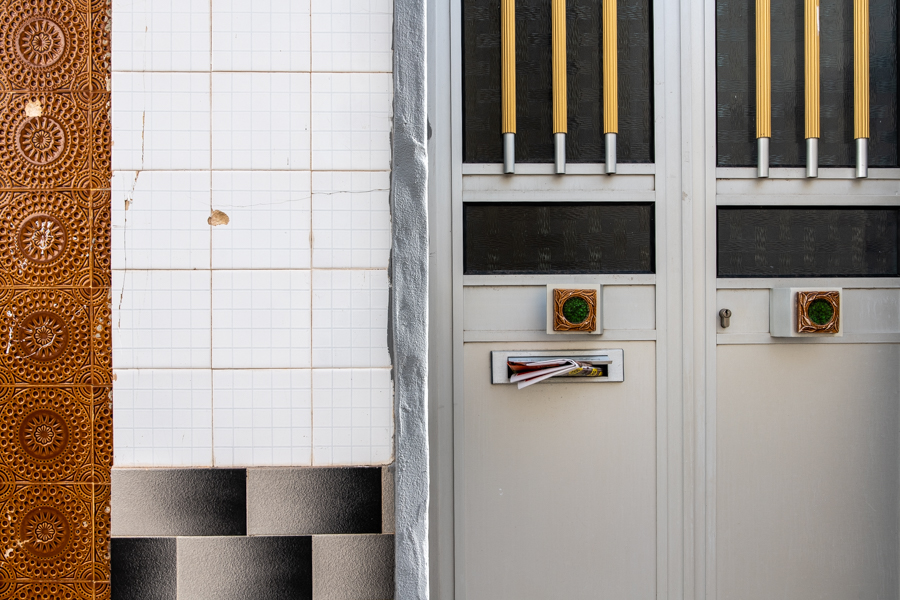
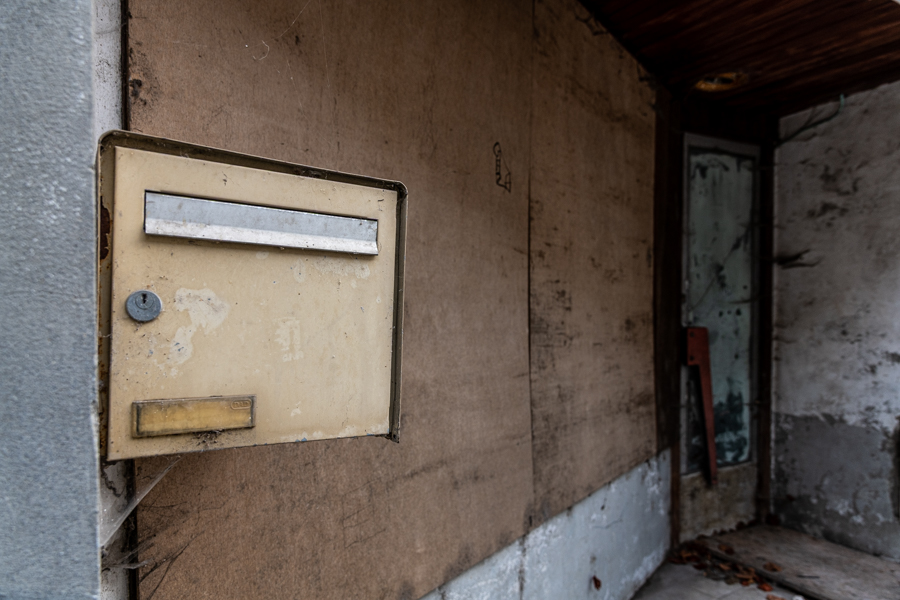
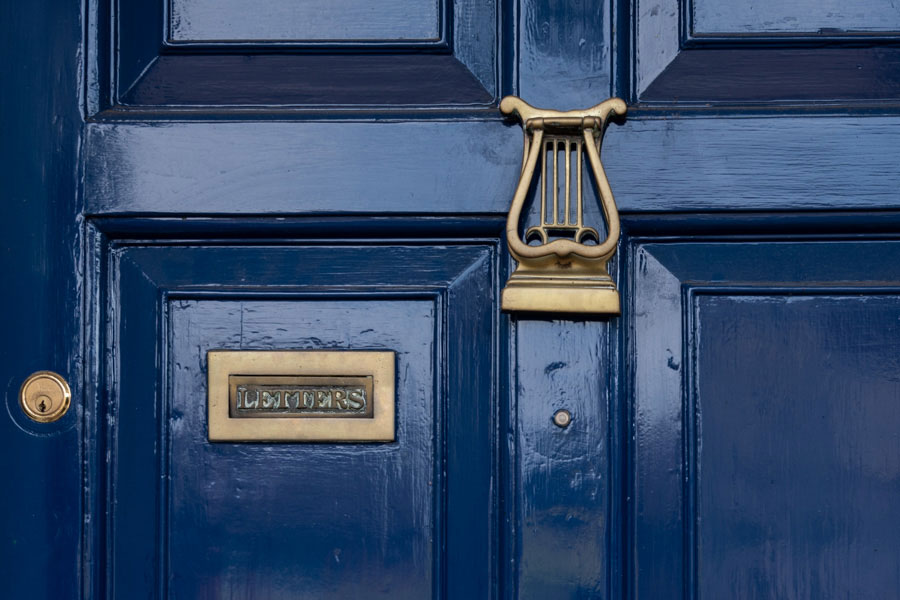
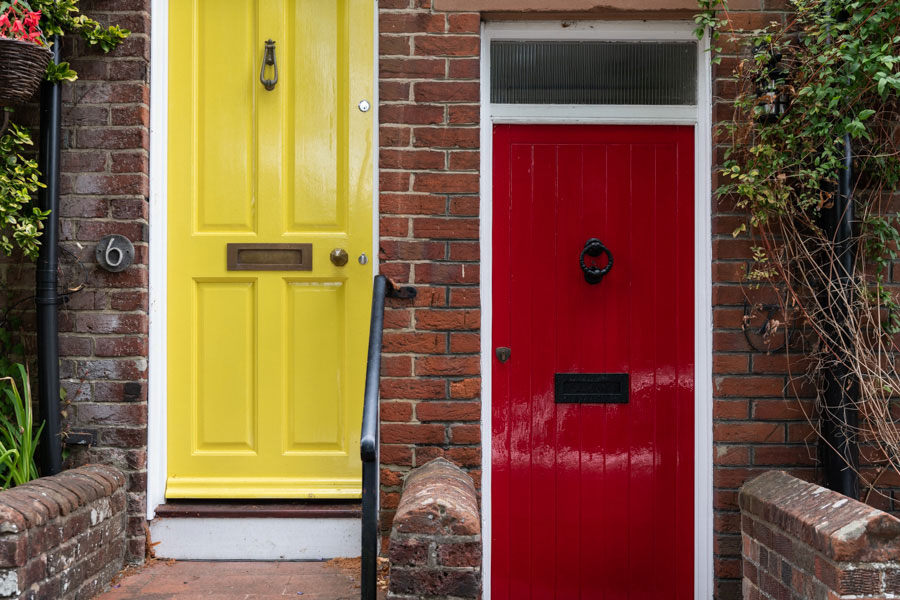
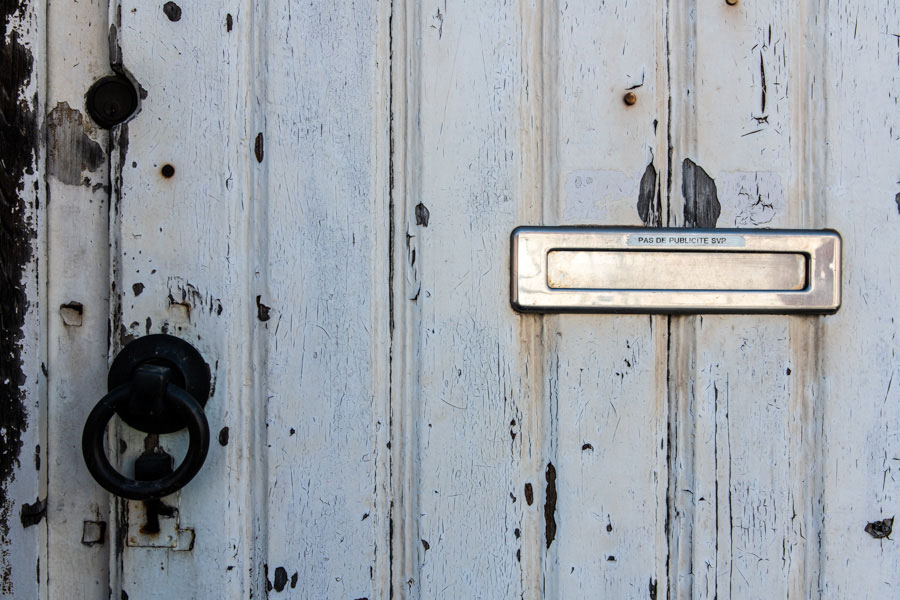
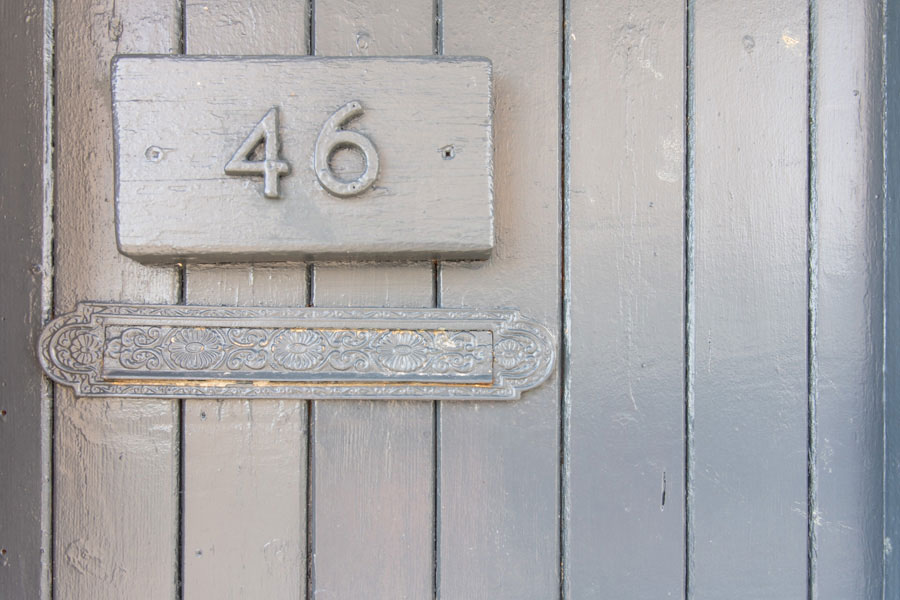
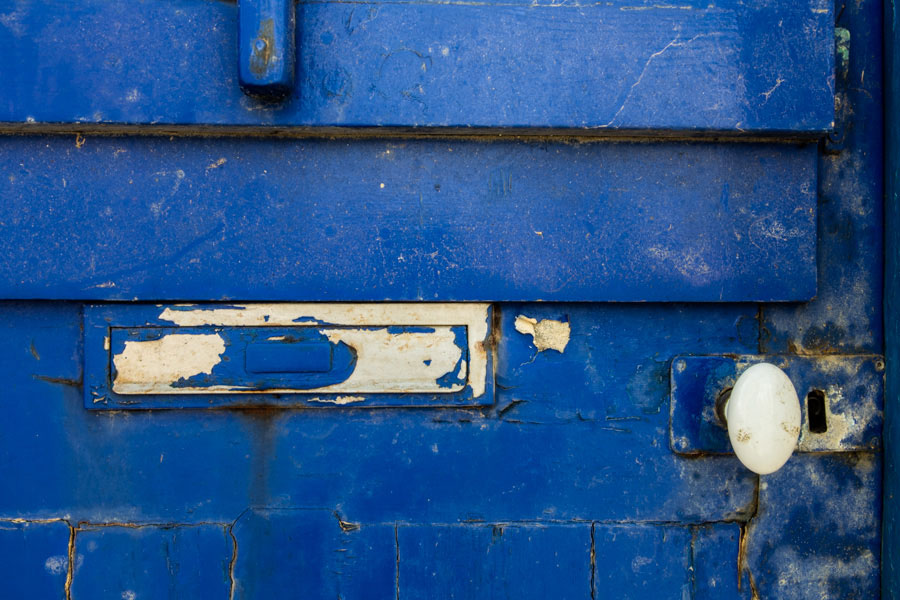
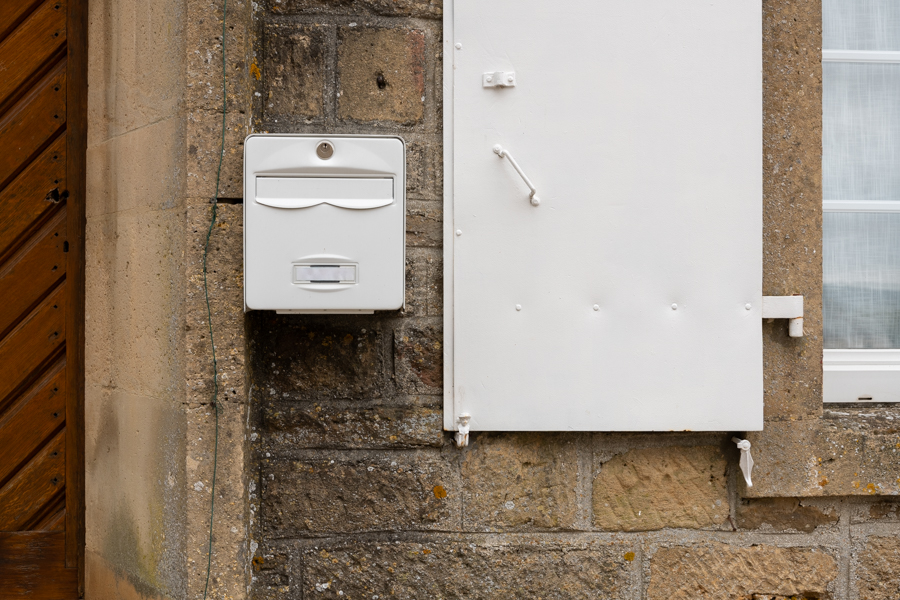
A slot in a door,
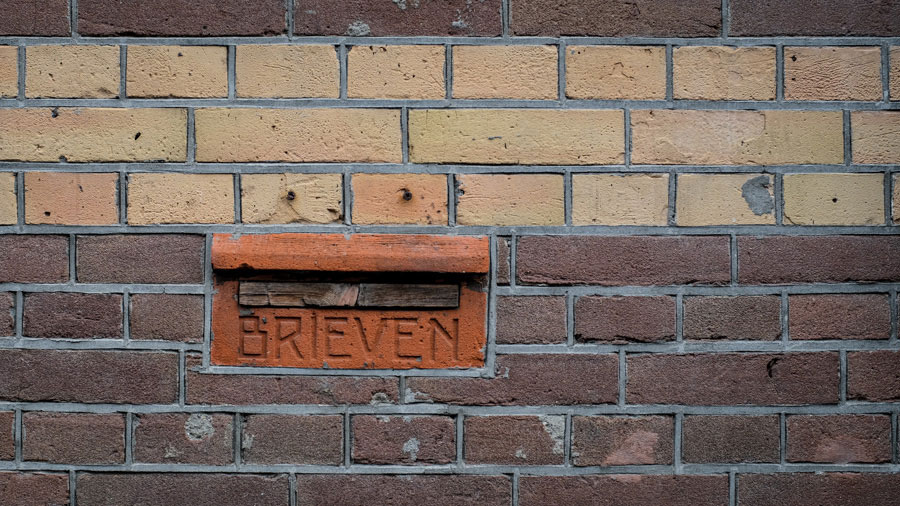
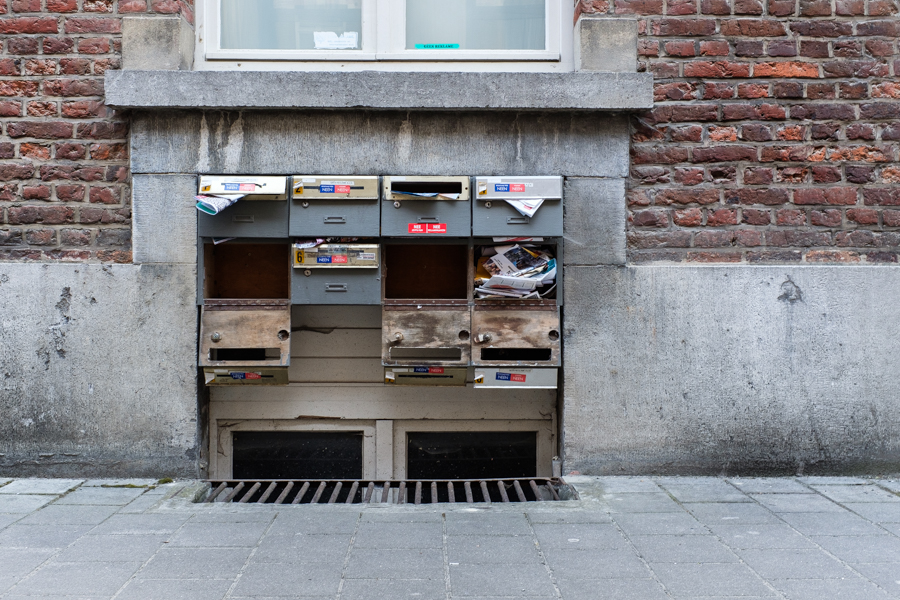
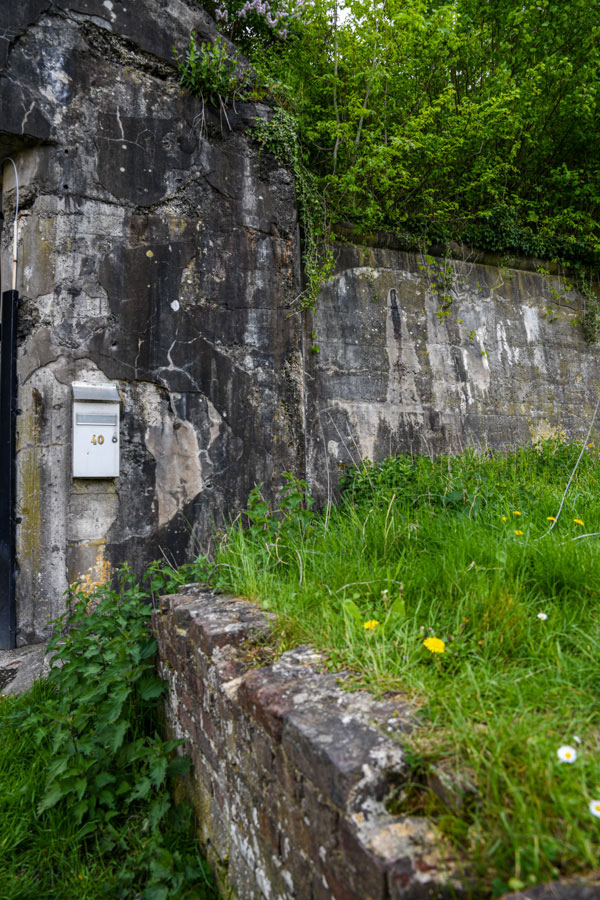
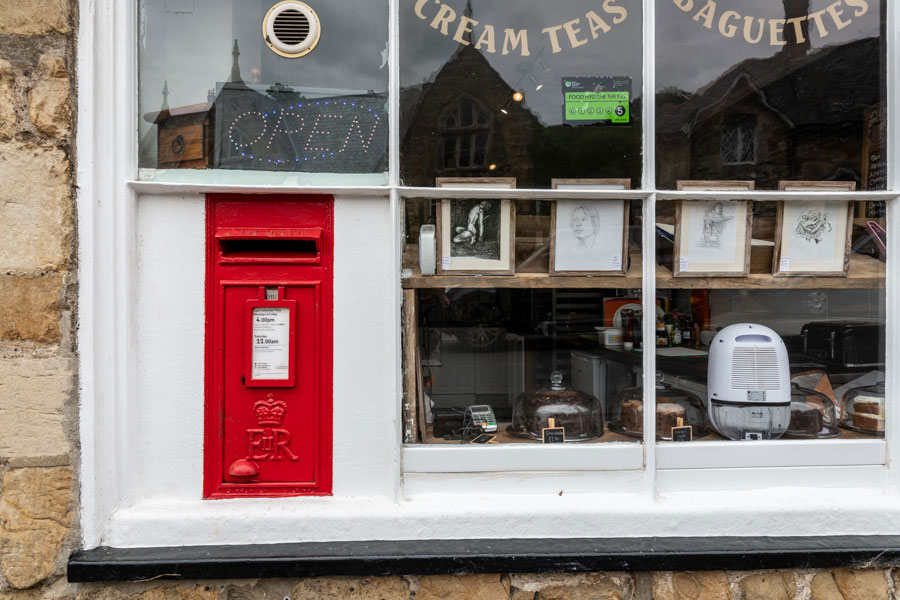
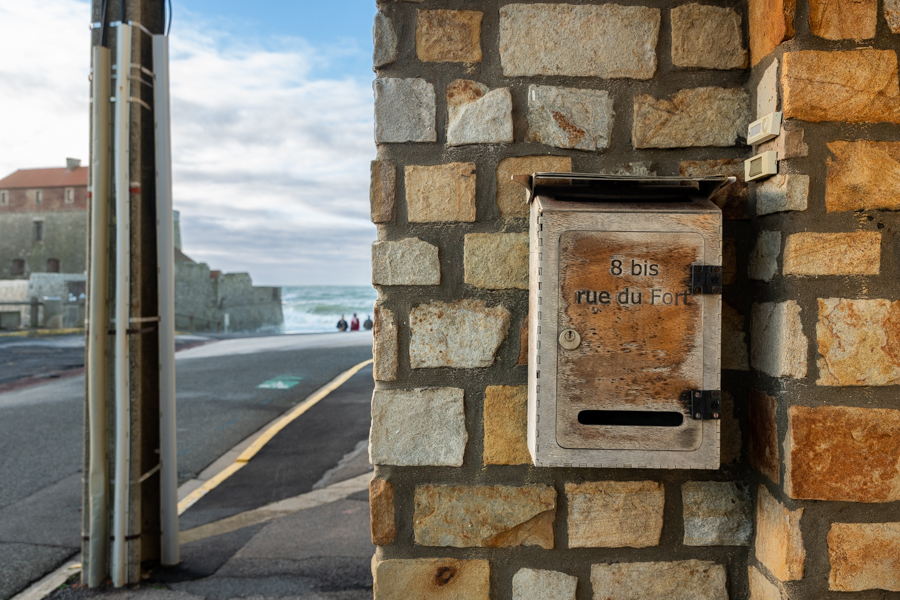
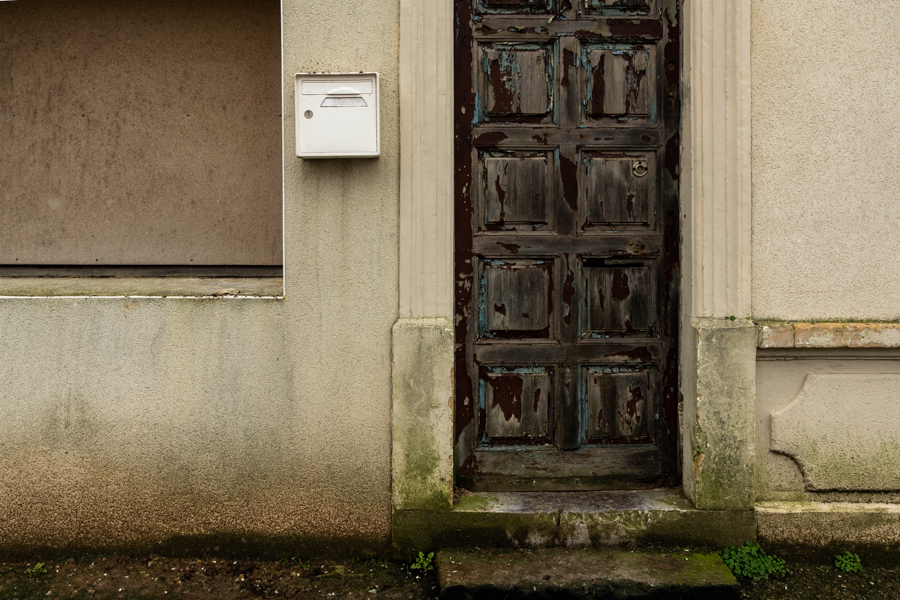
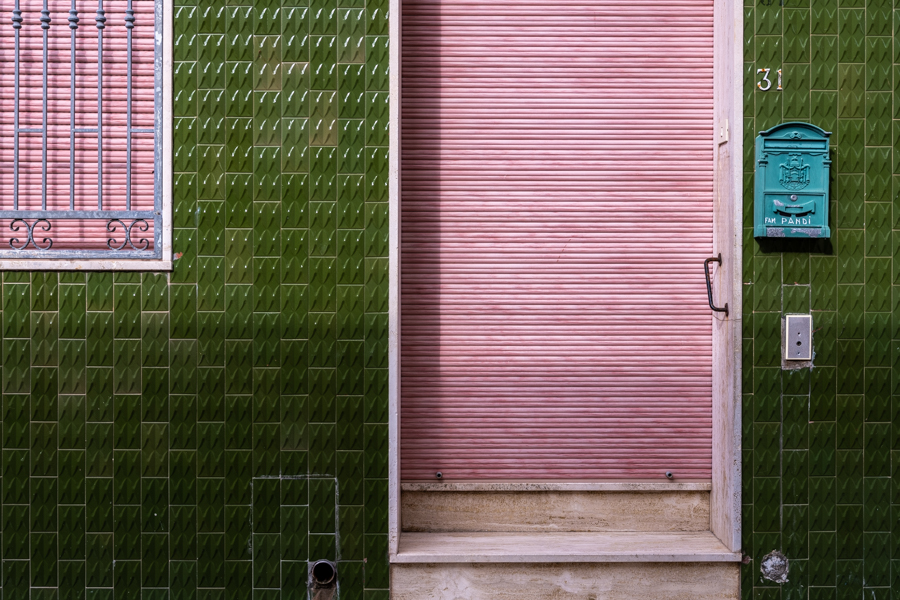
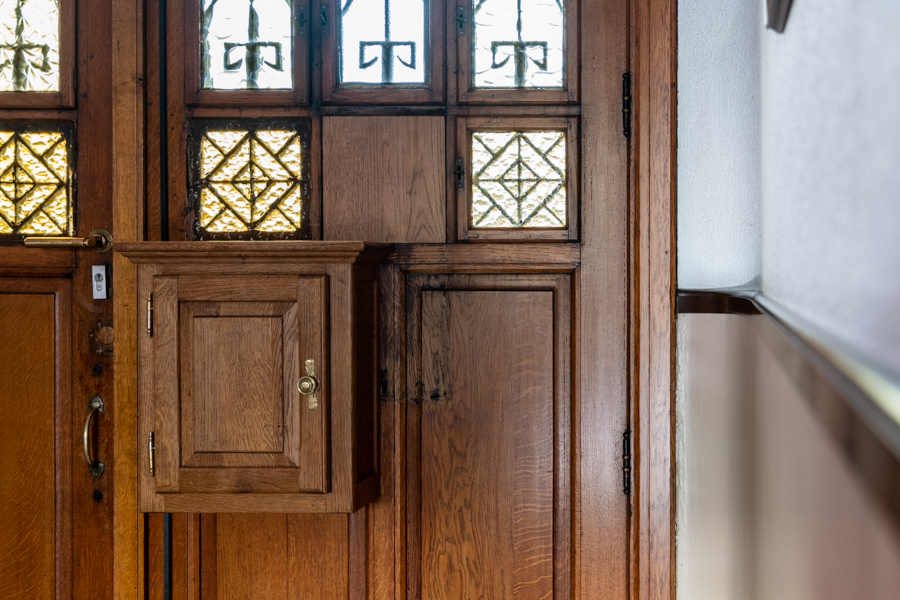
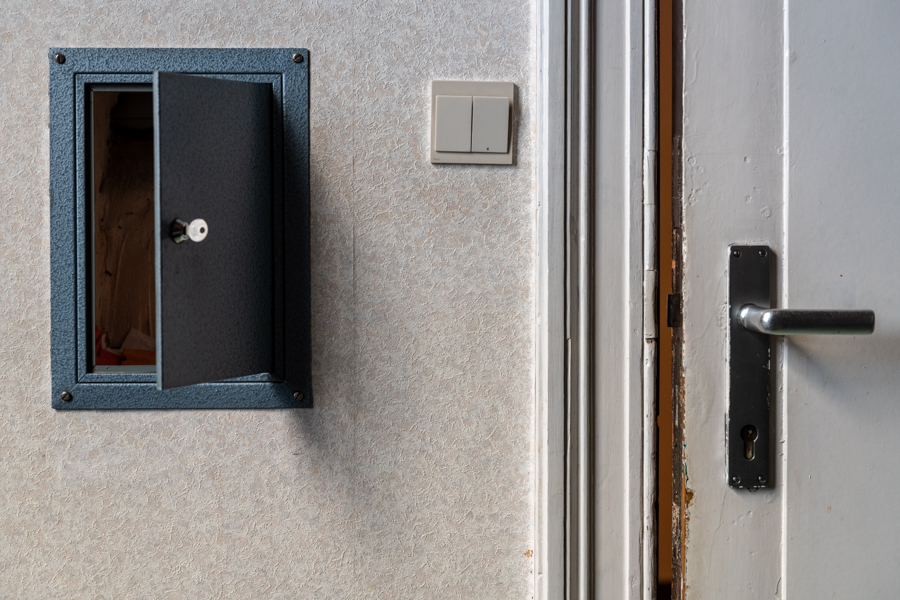
a flap in the facade at the building line,
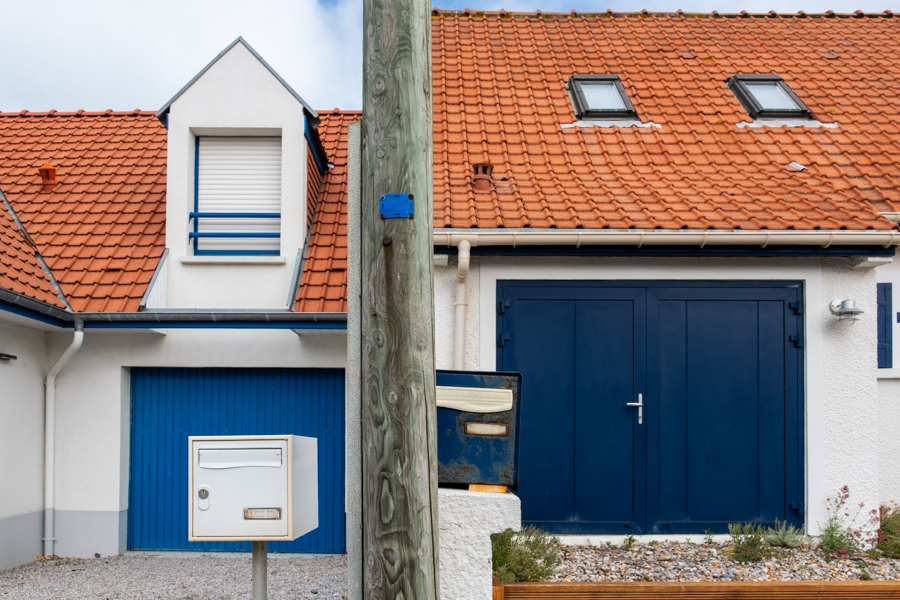
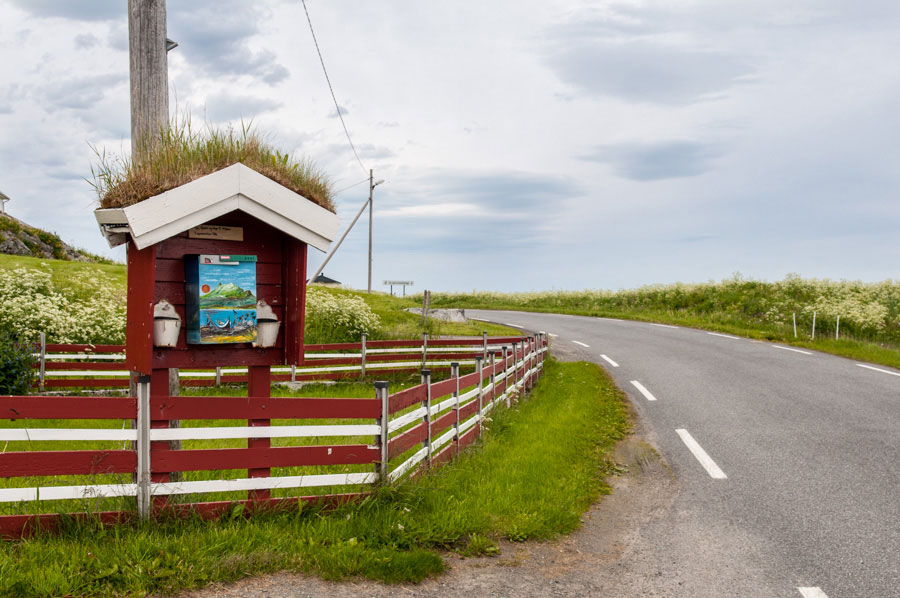
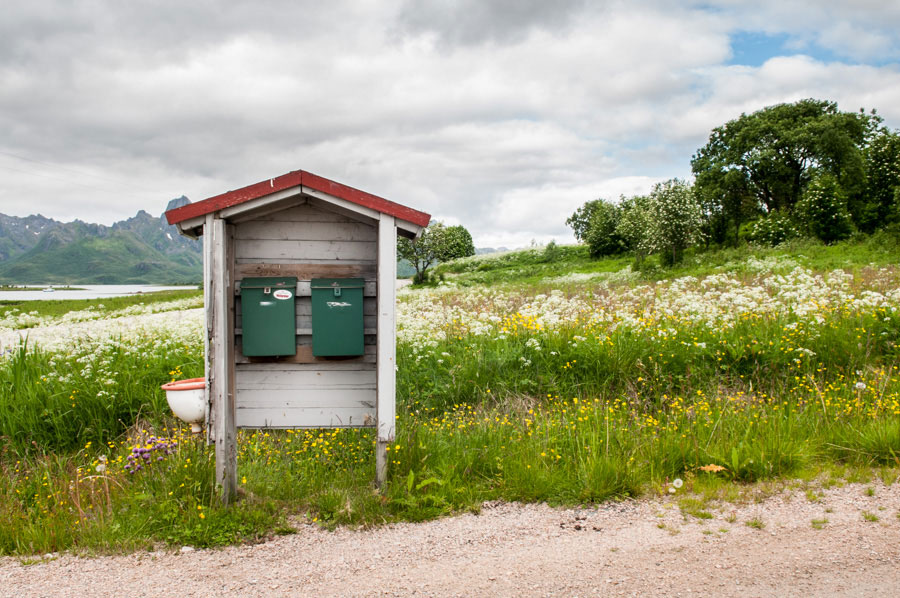
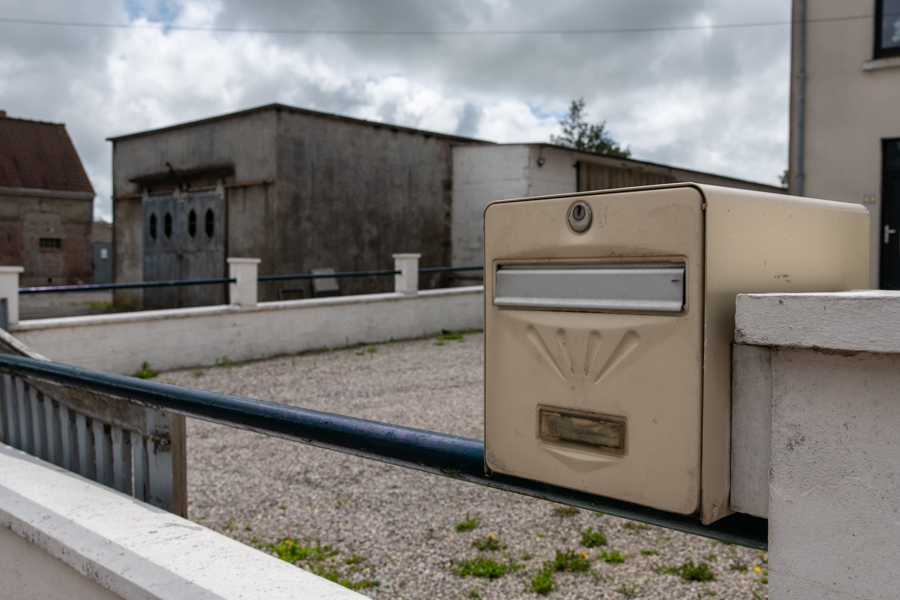
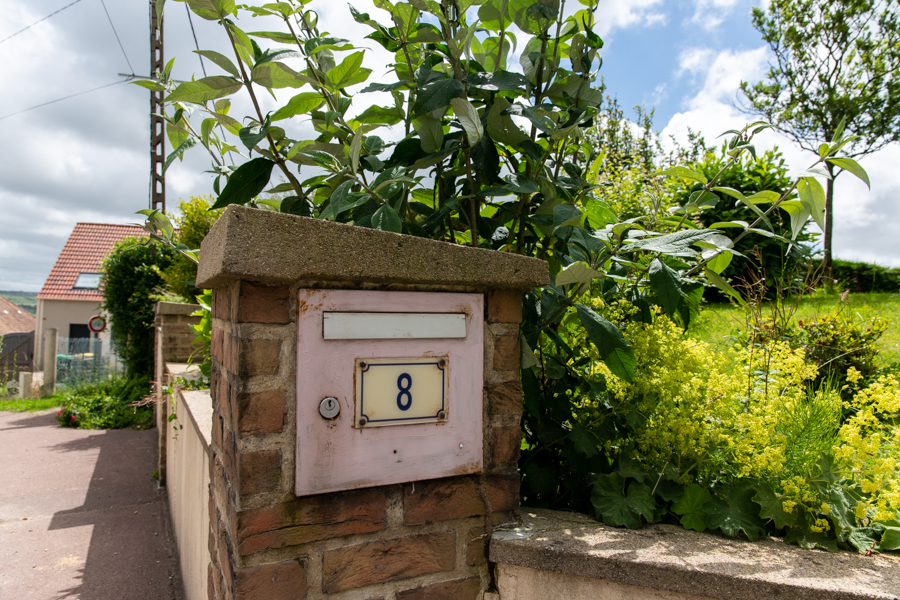
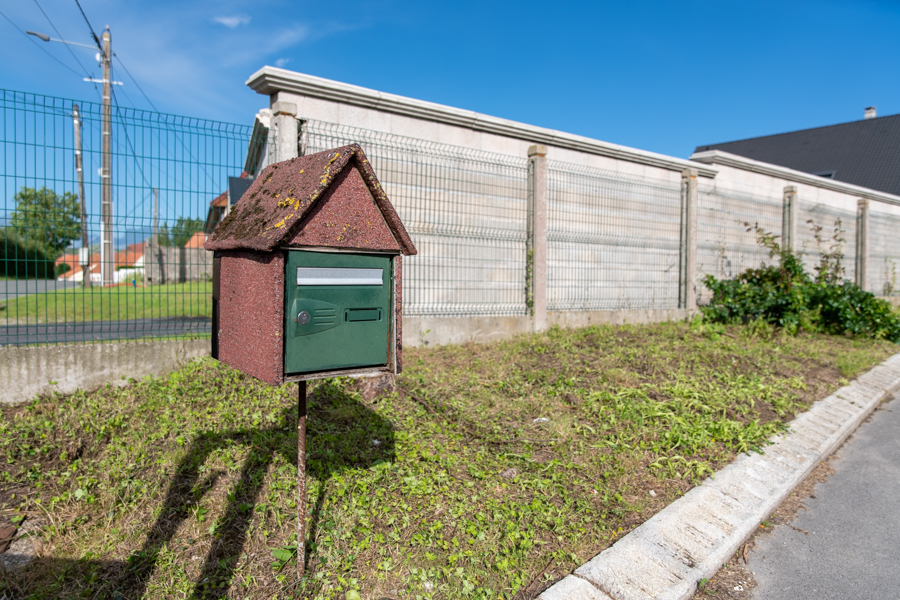
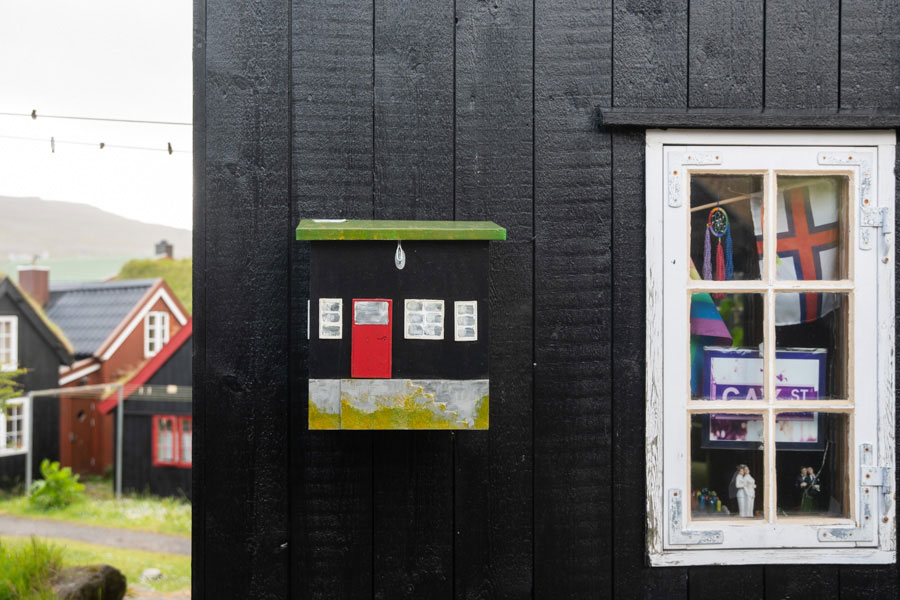
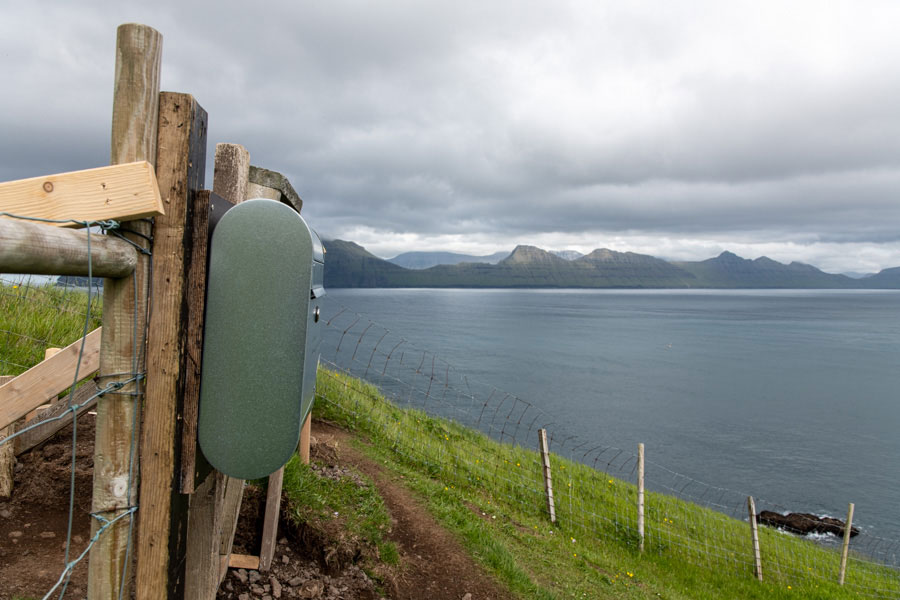
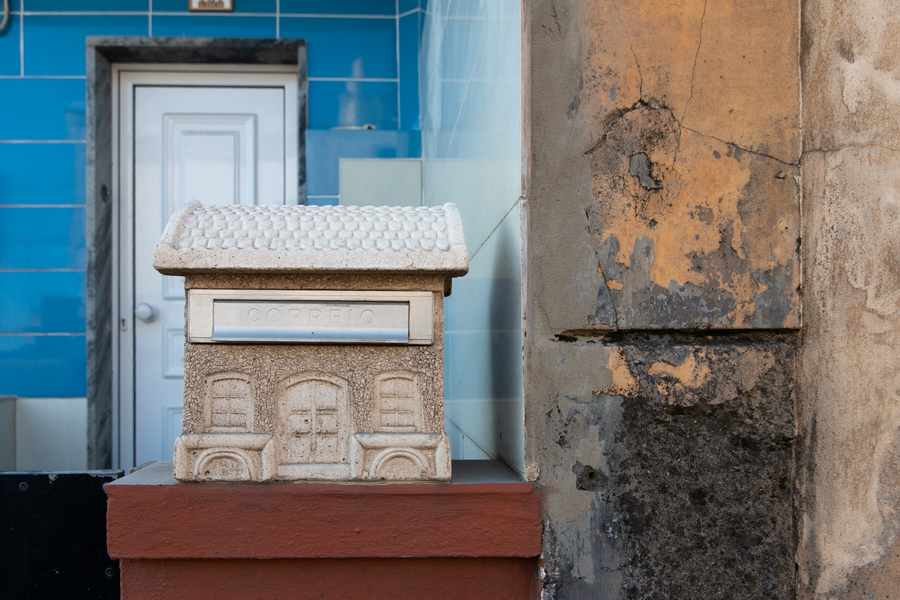
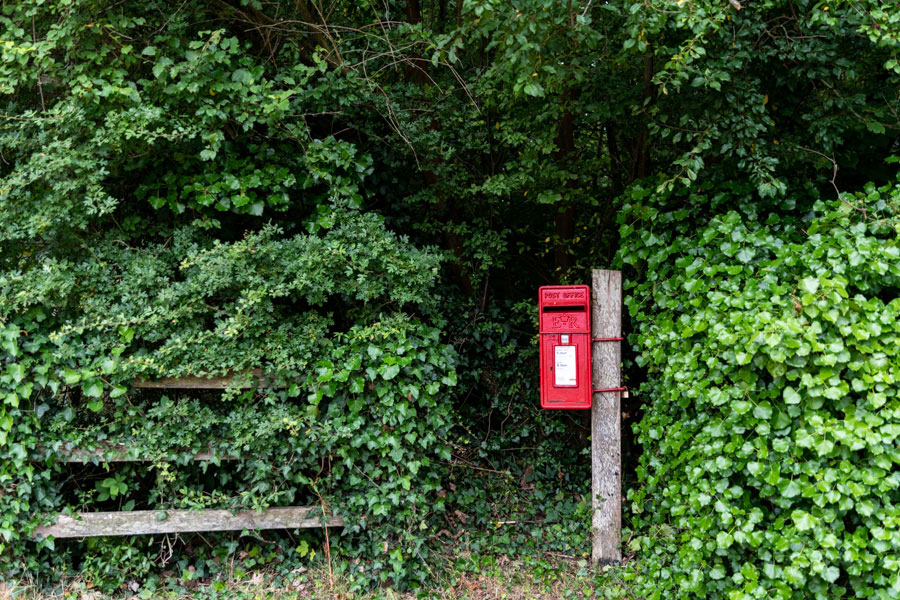
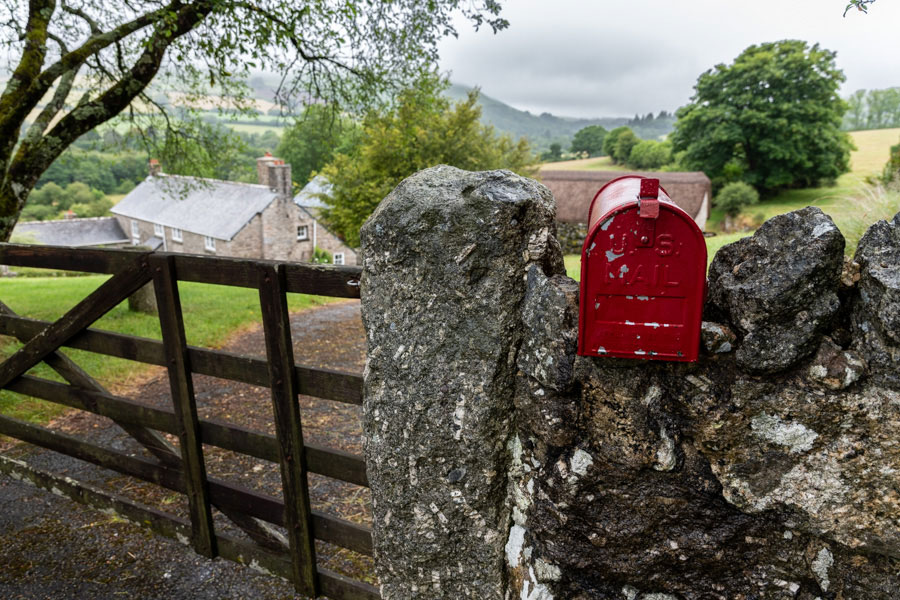
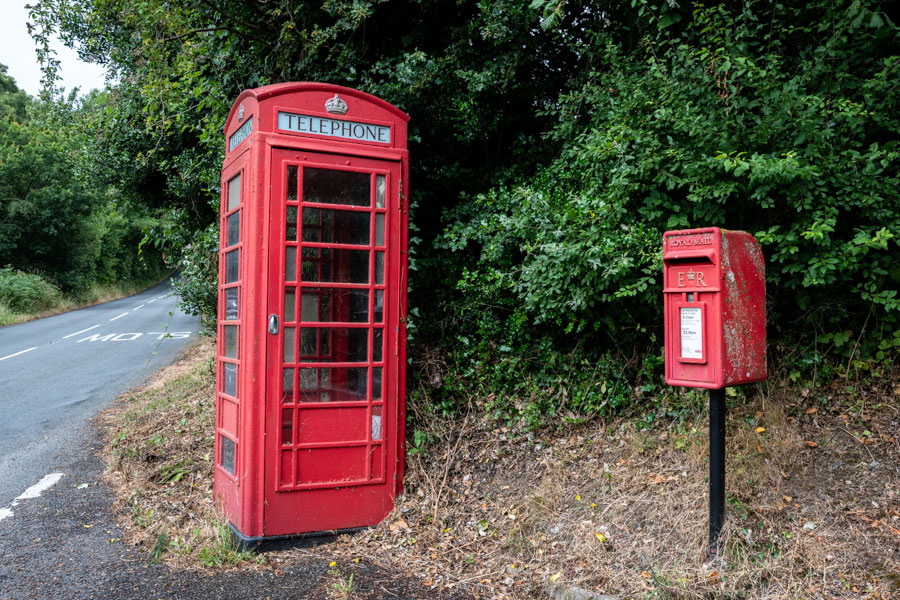
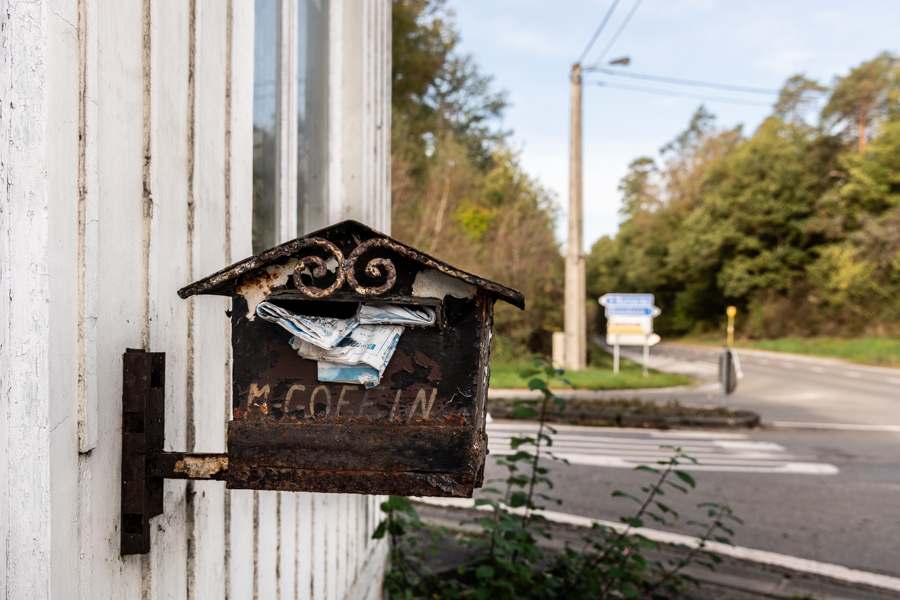
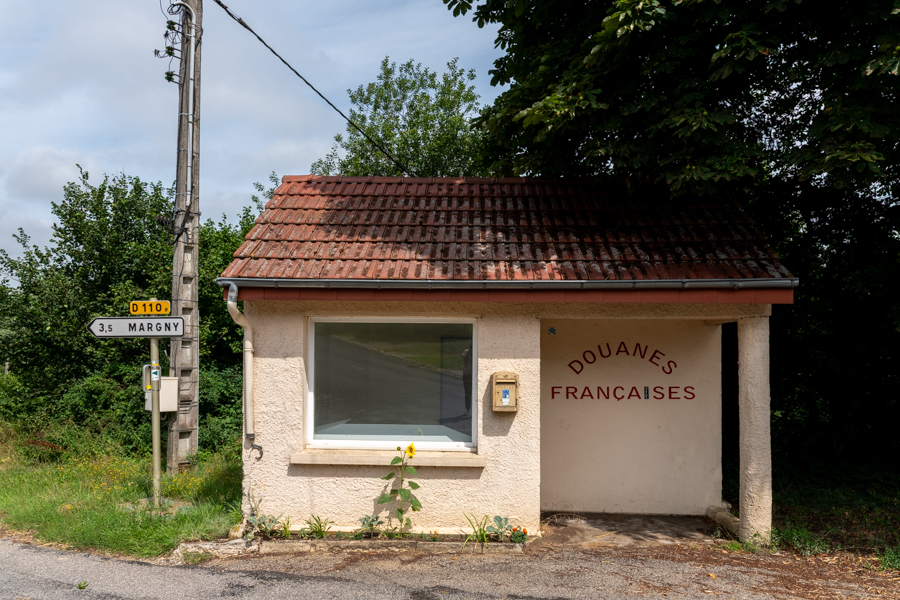
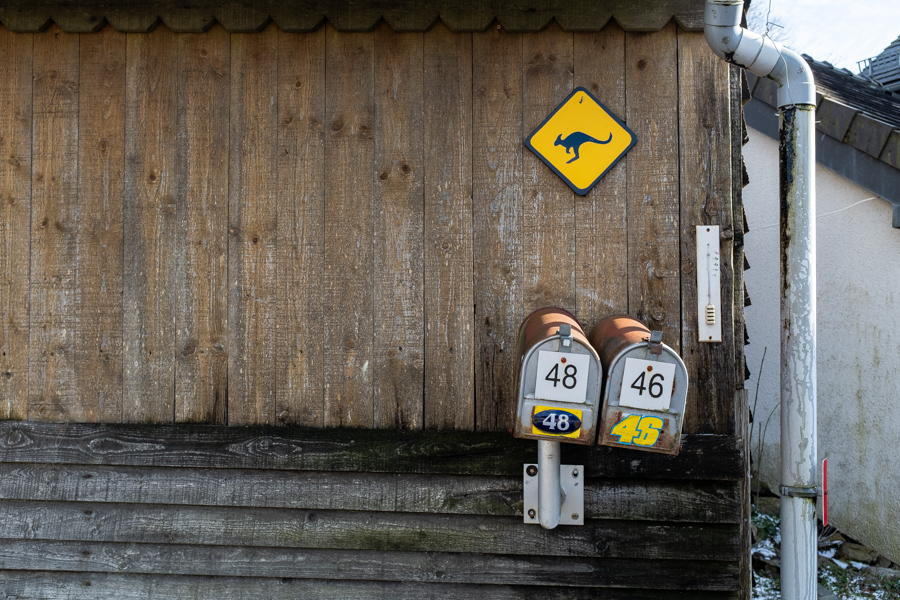
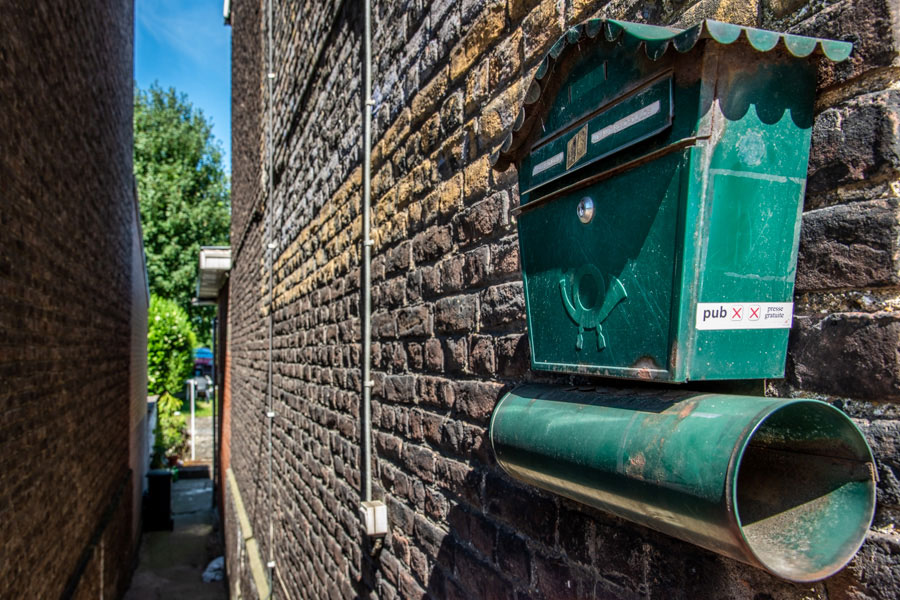
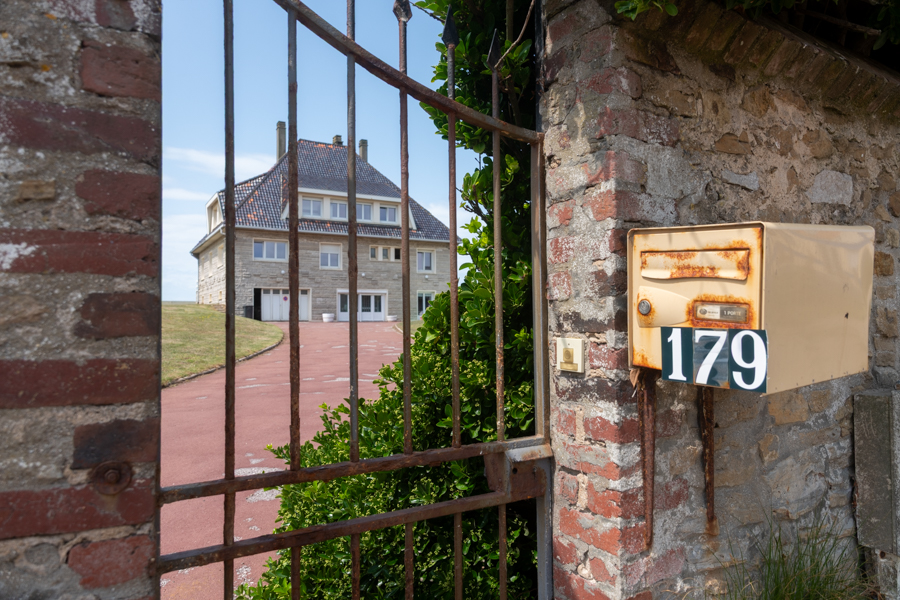
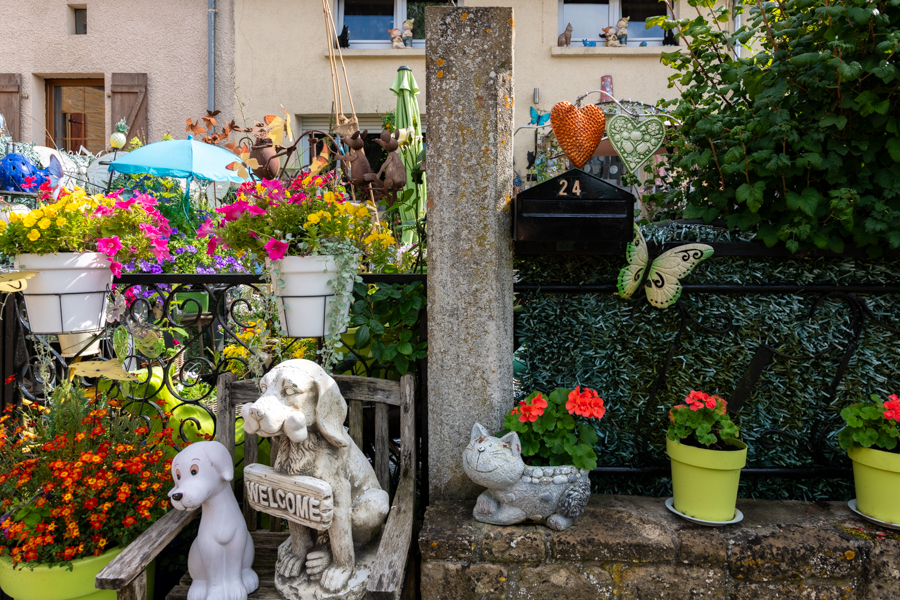
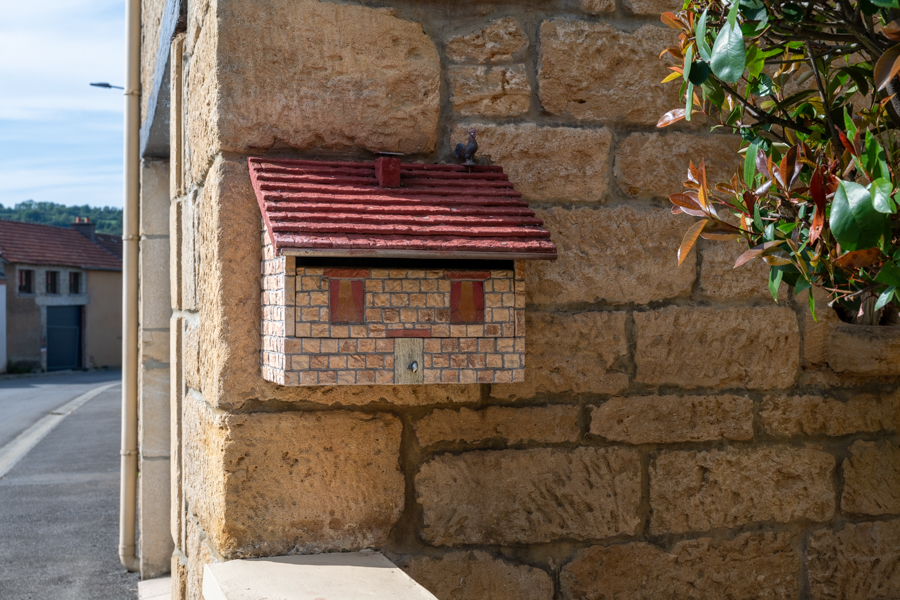
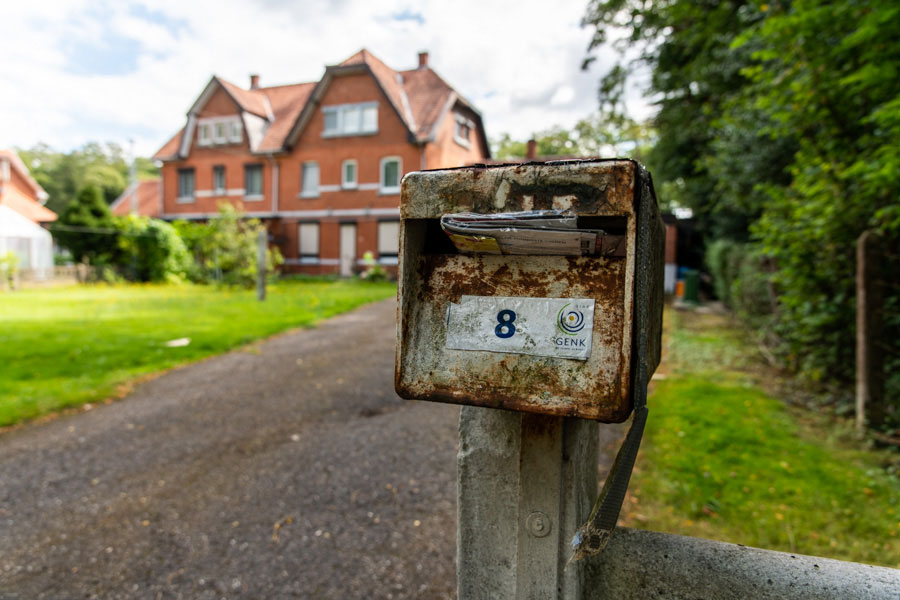
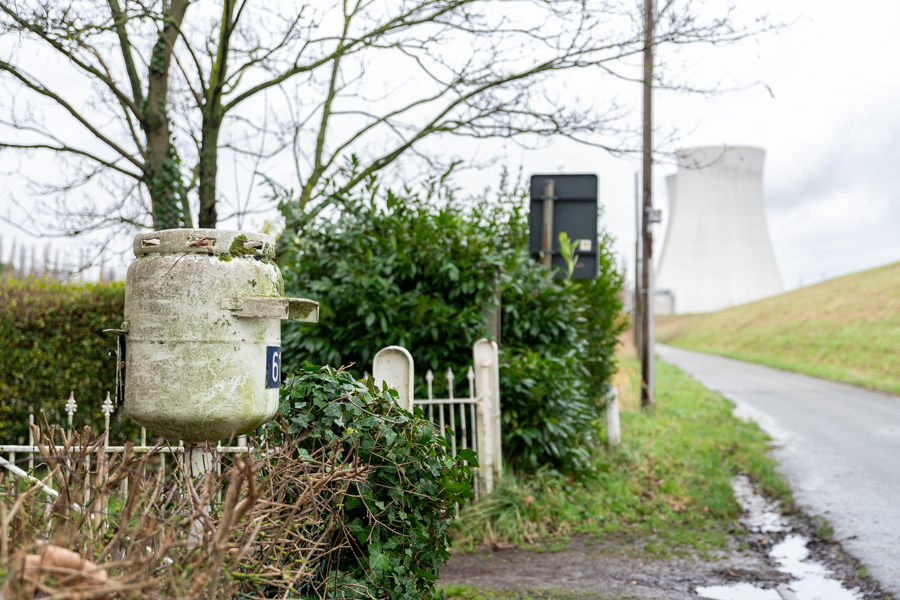
or a tiny house at the edge of the road.
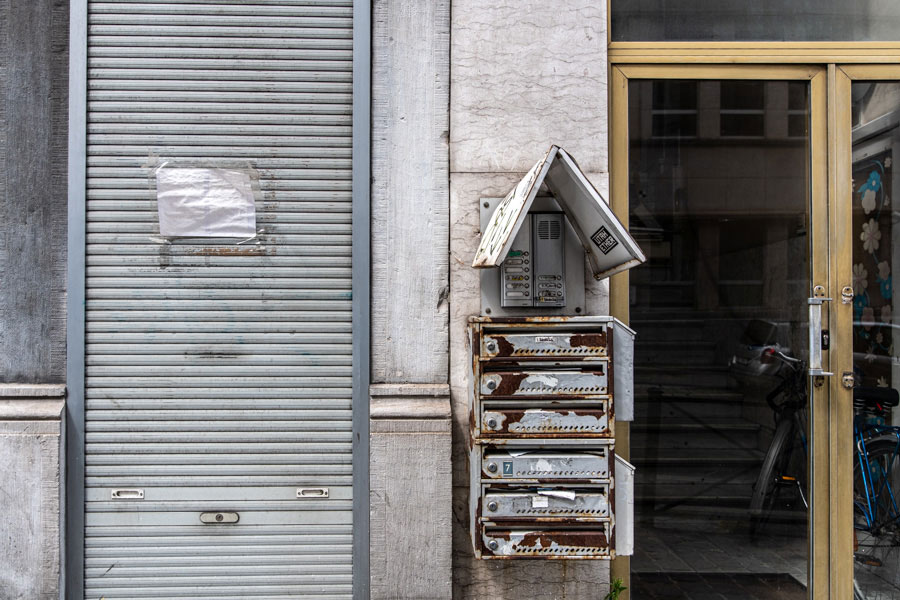
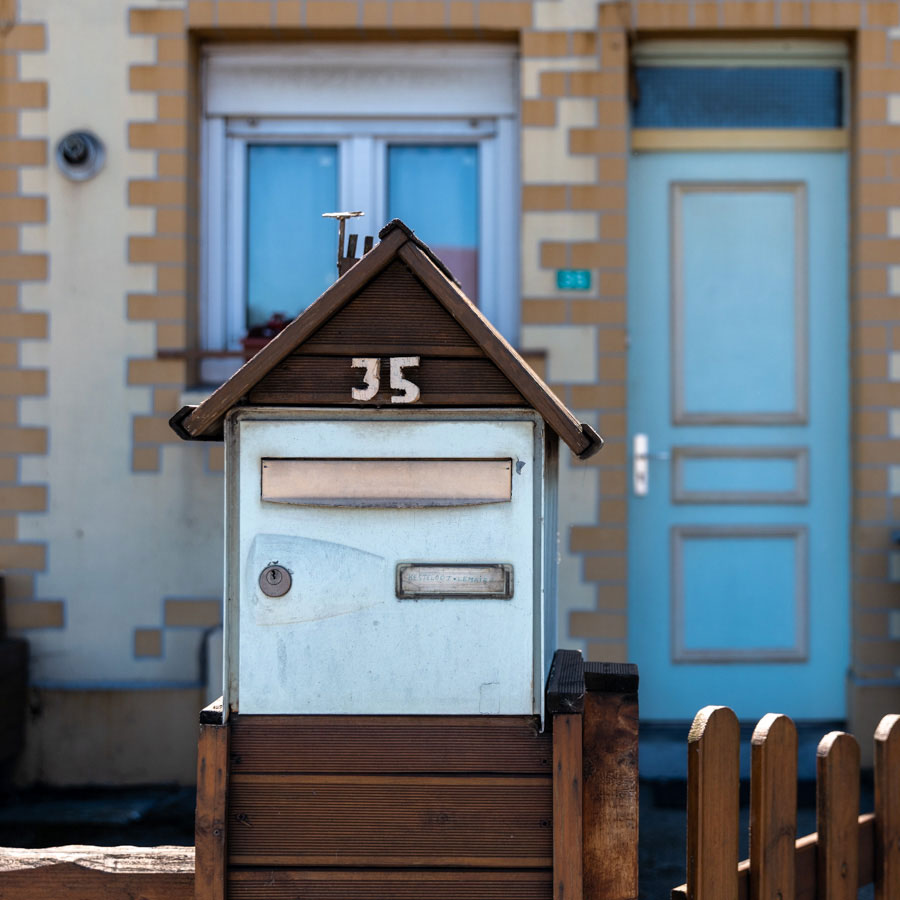
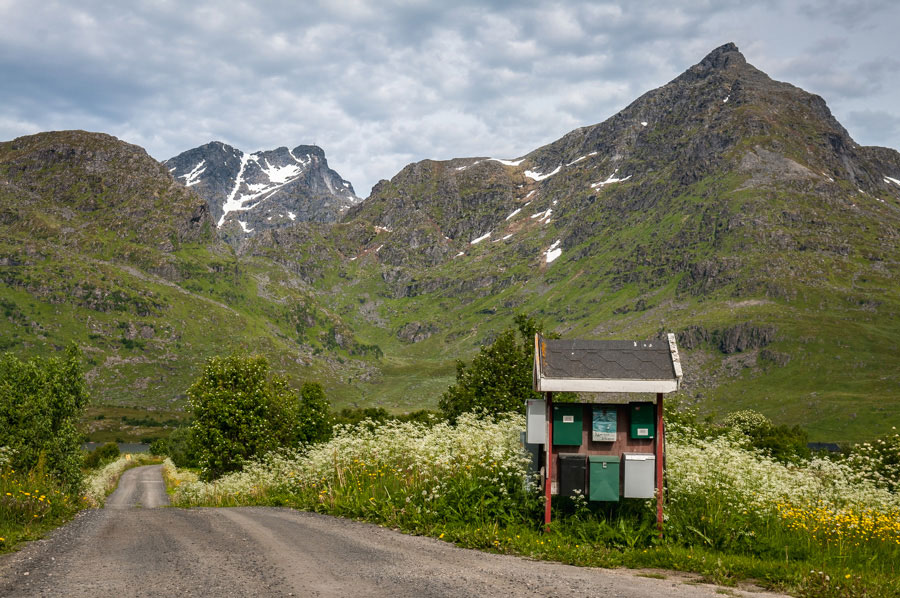
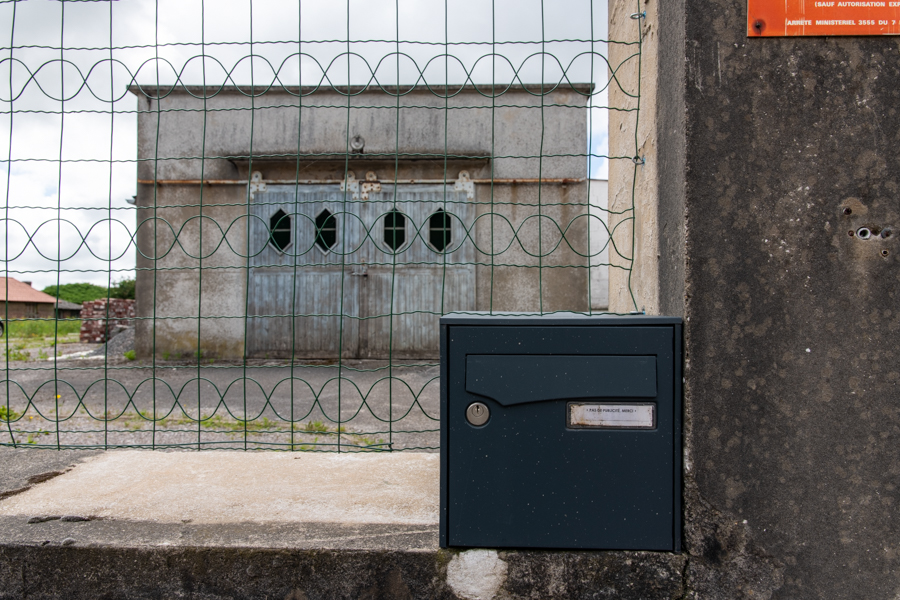
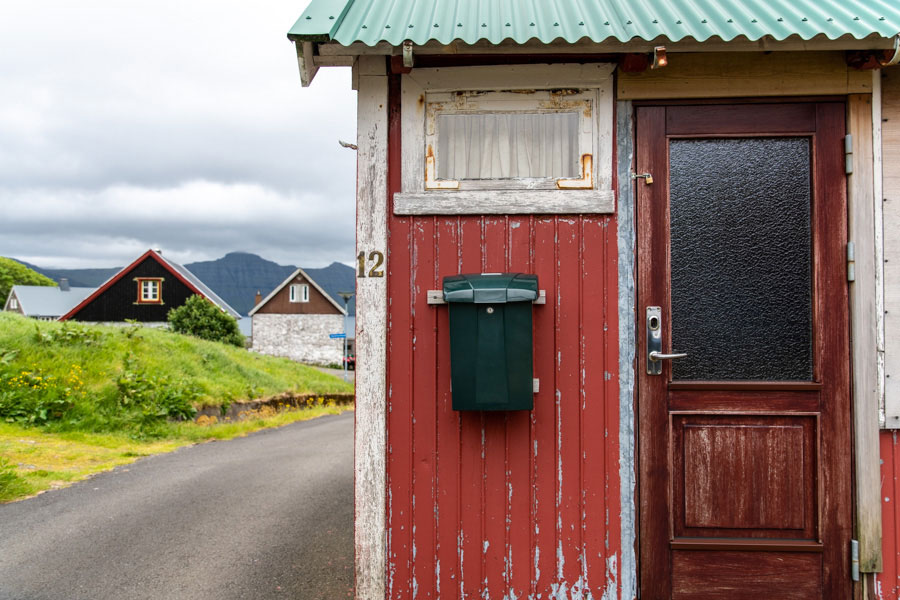
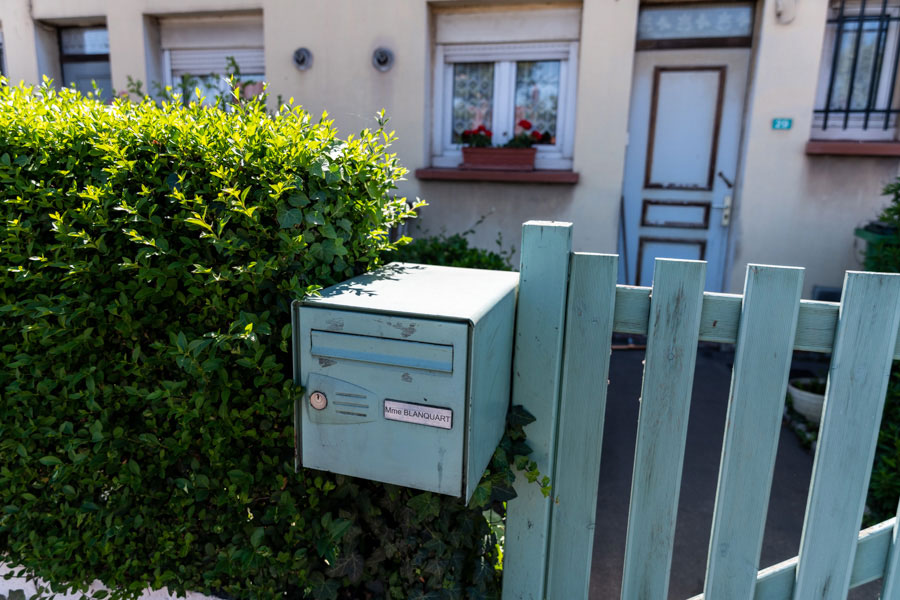
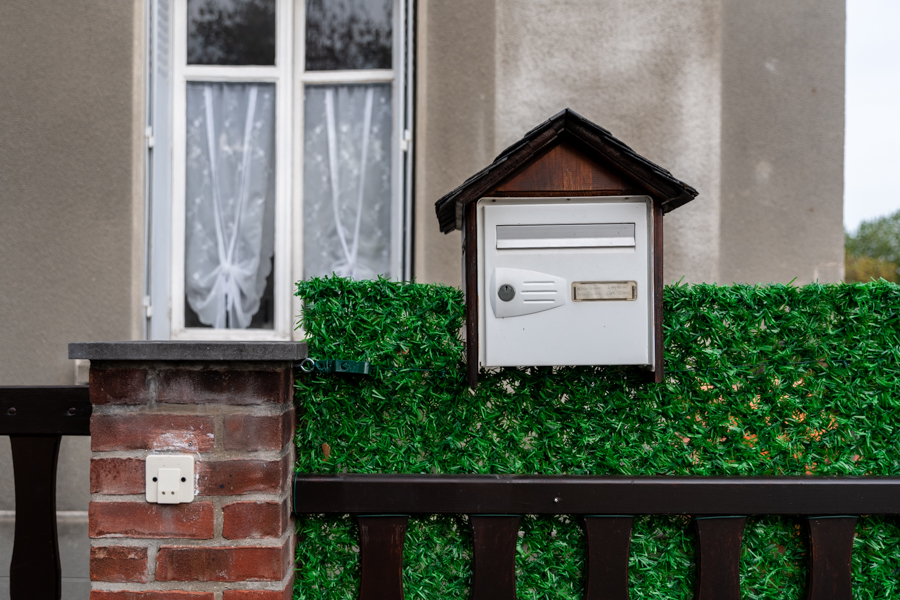
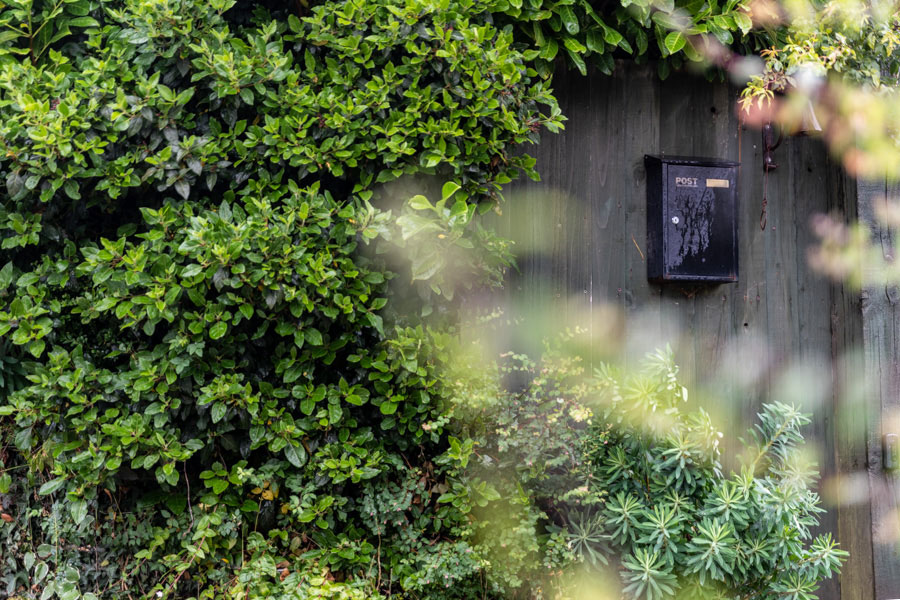
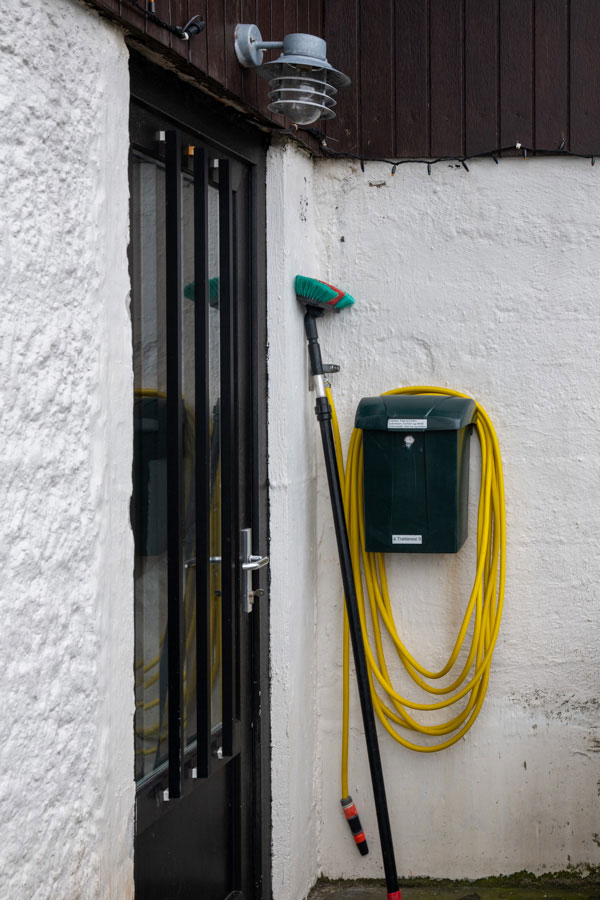
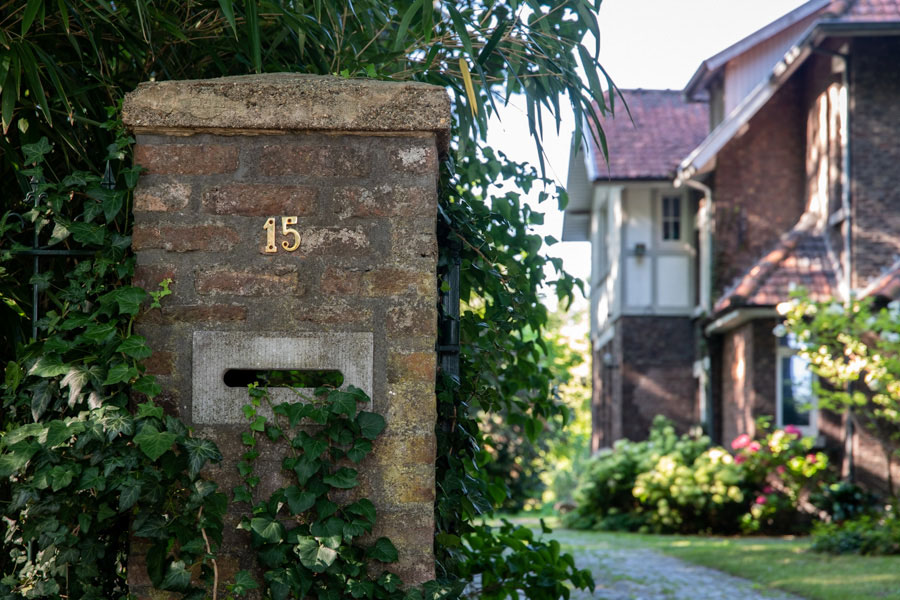
The mailbox comes in all shapes and sizes.
Everyone has one.
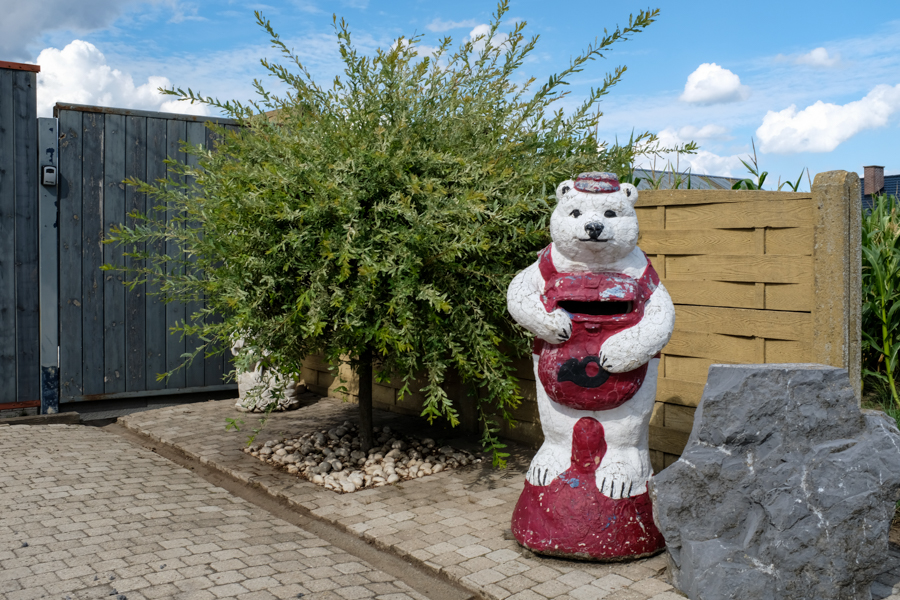
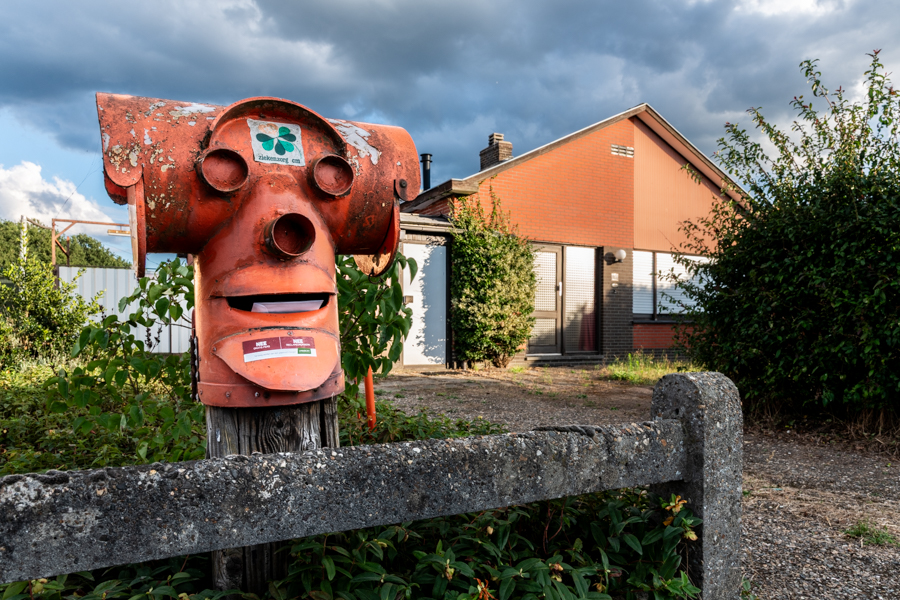
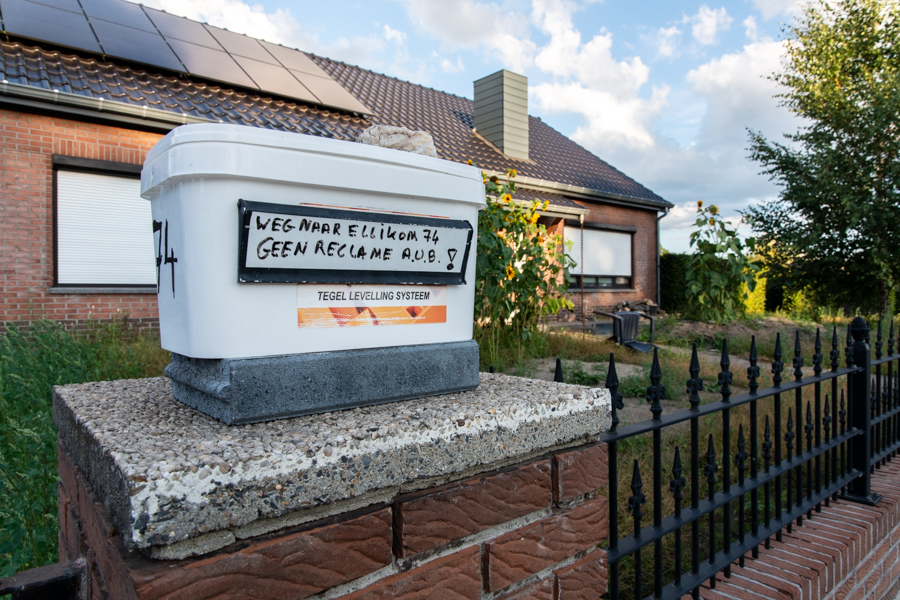
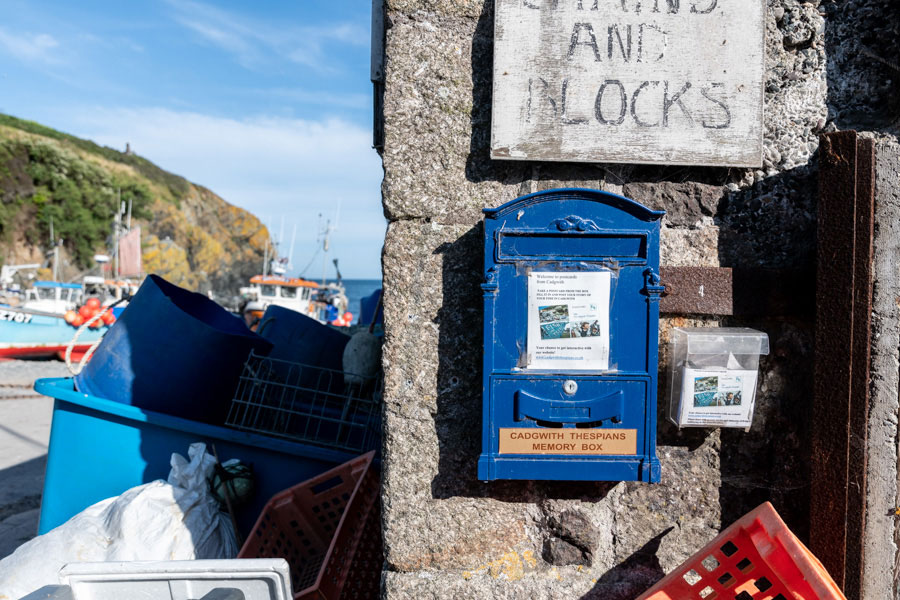
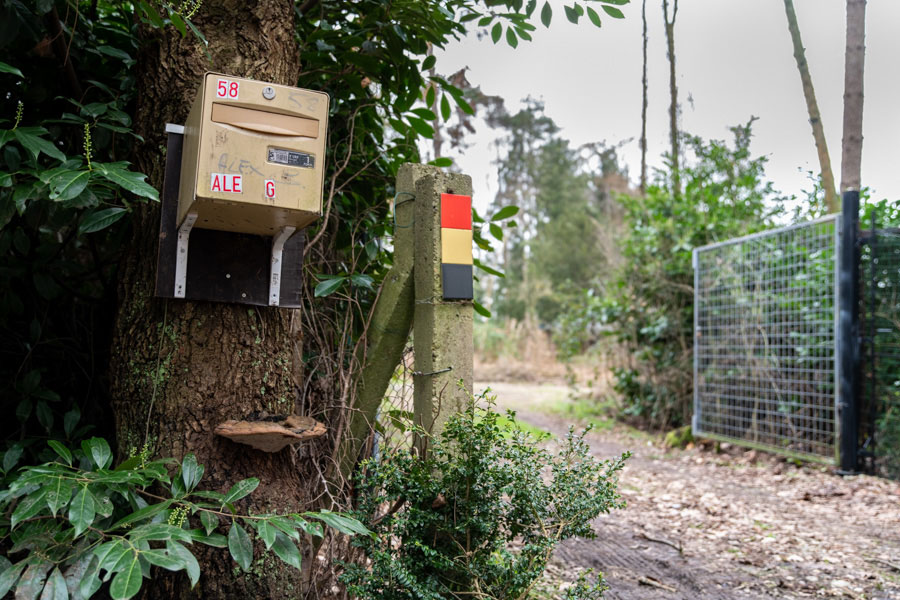
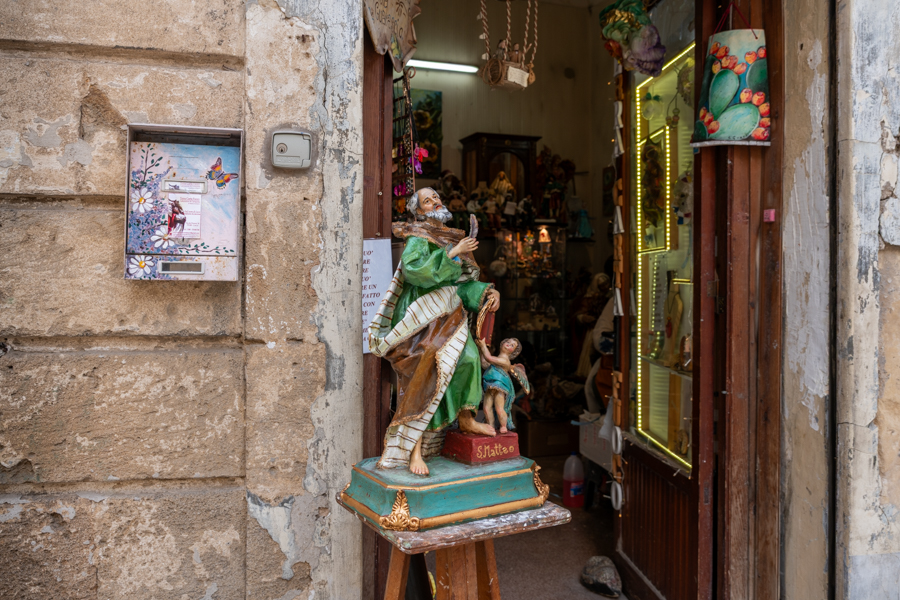
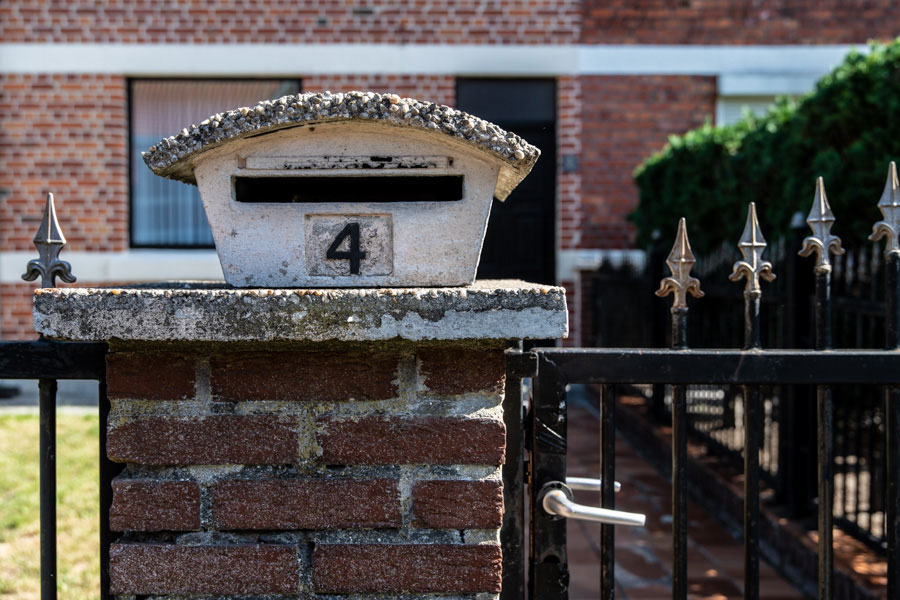
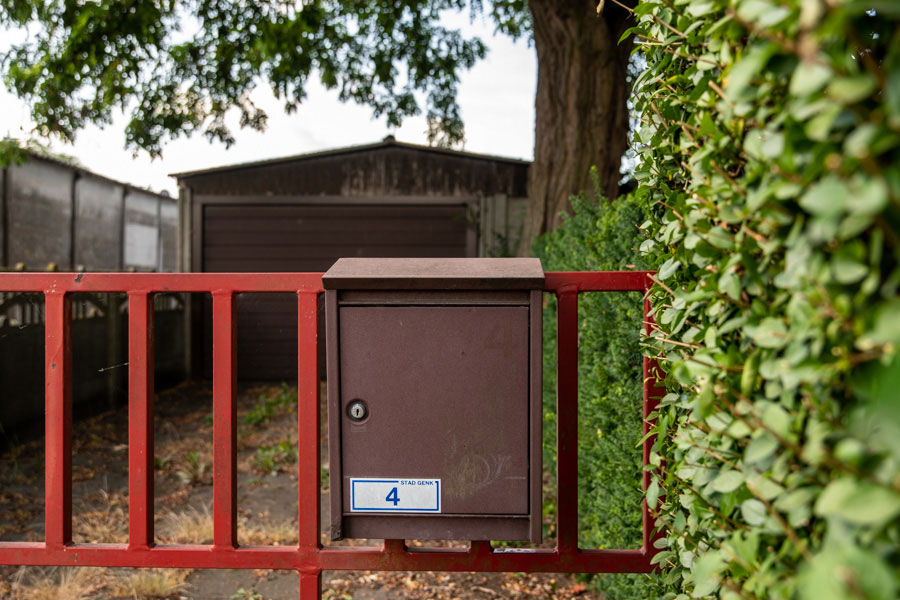
Big or small, plain or personalized.
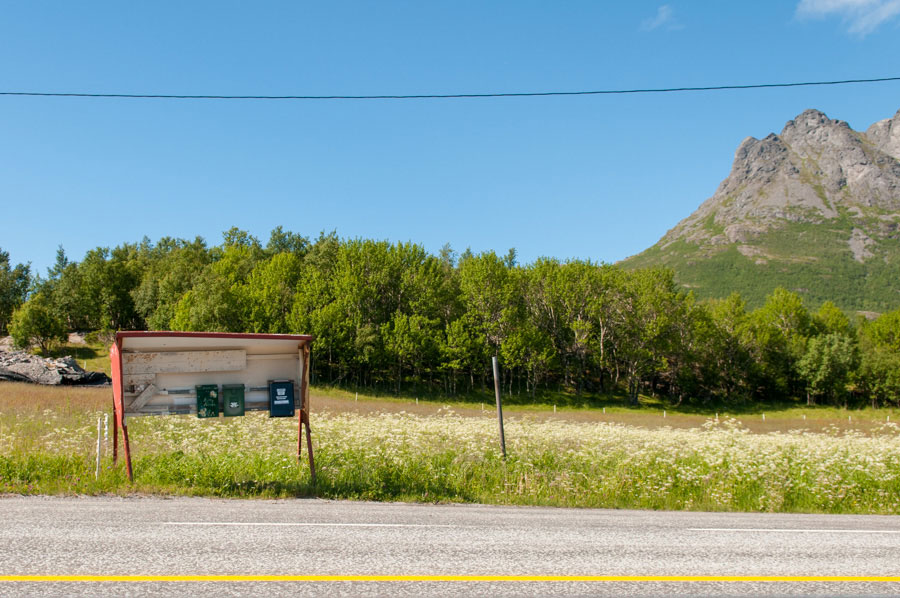
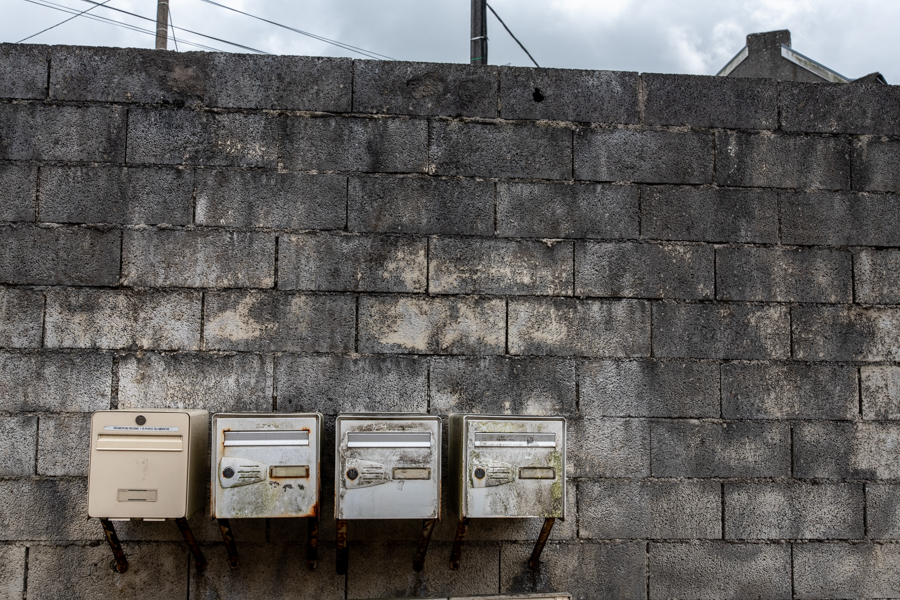
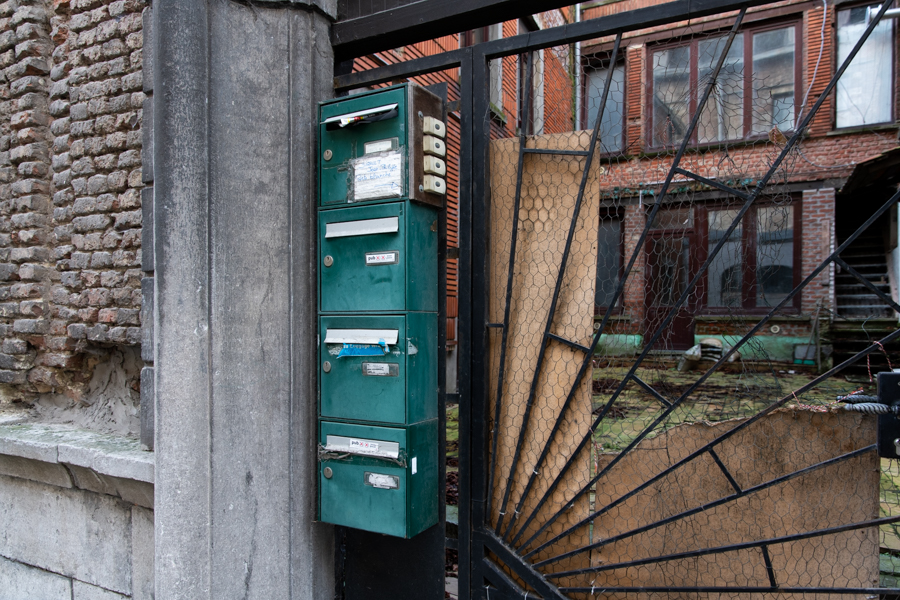
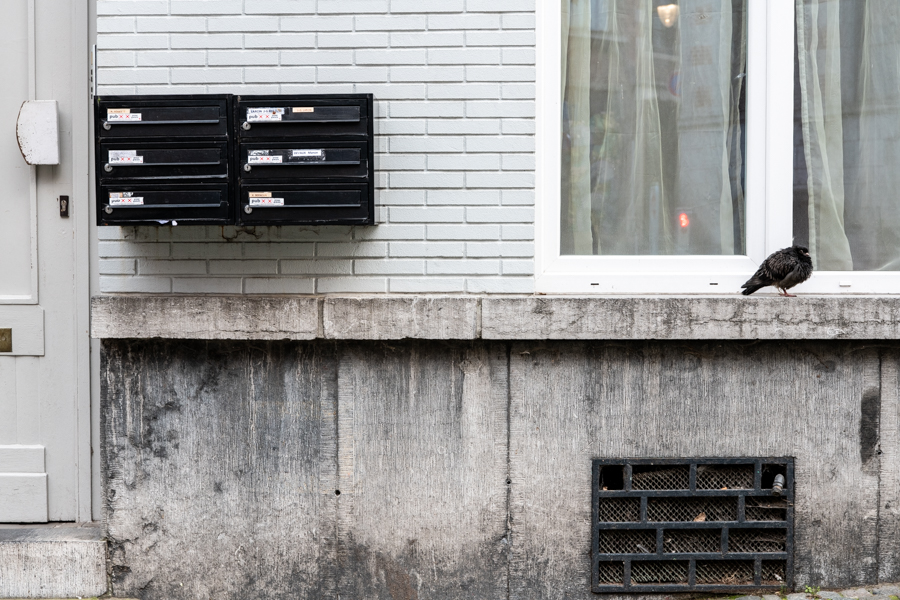
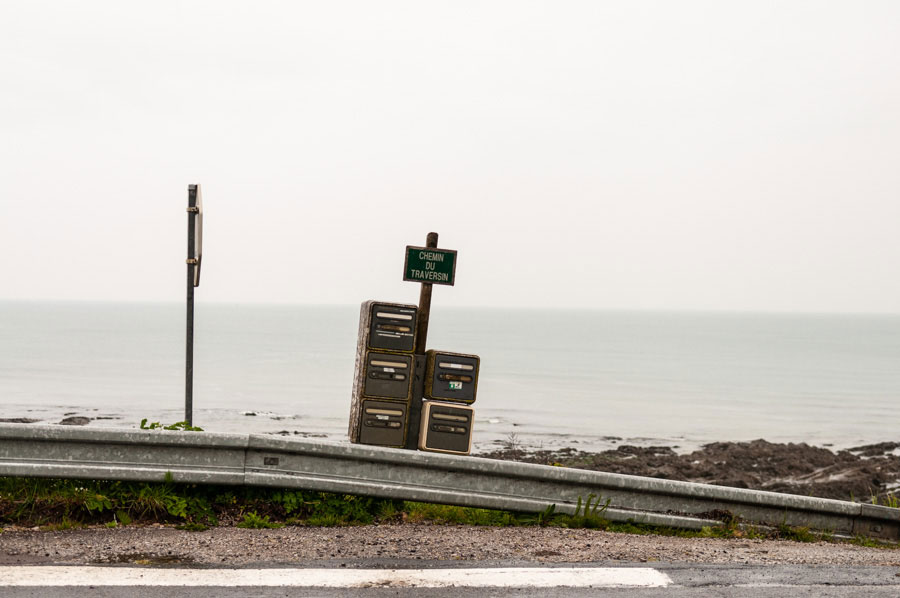
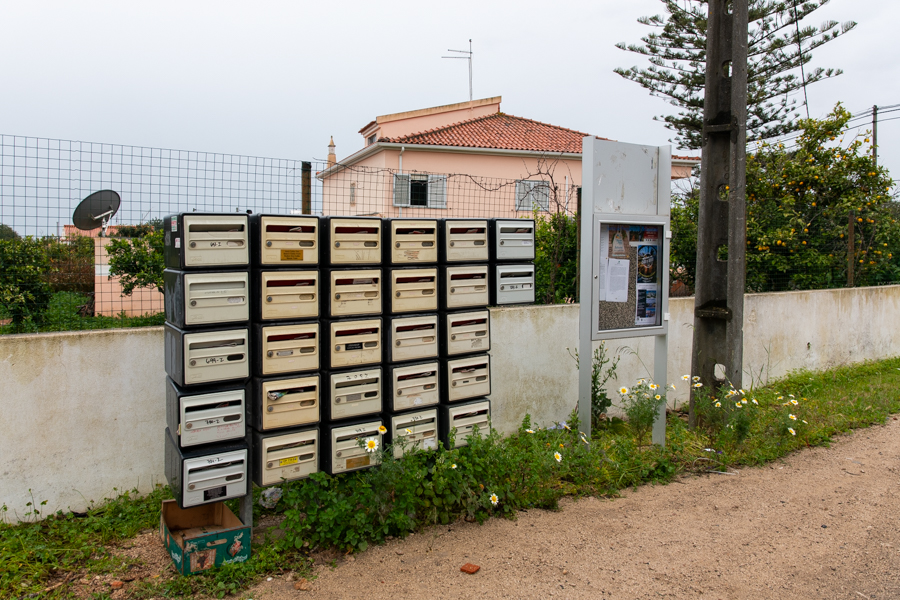
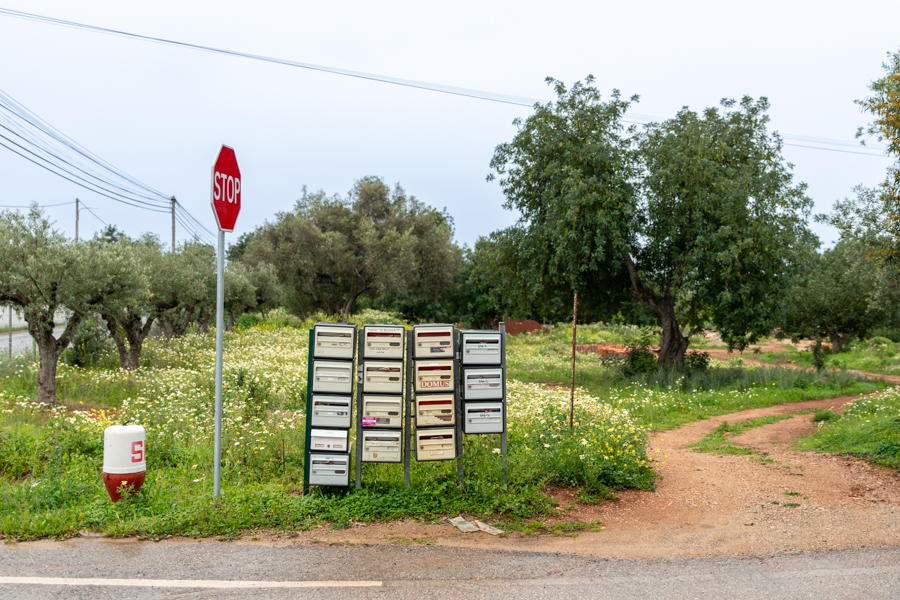
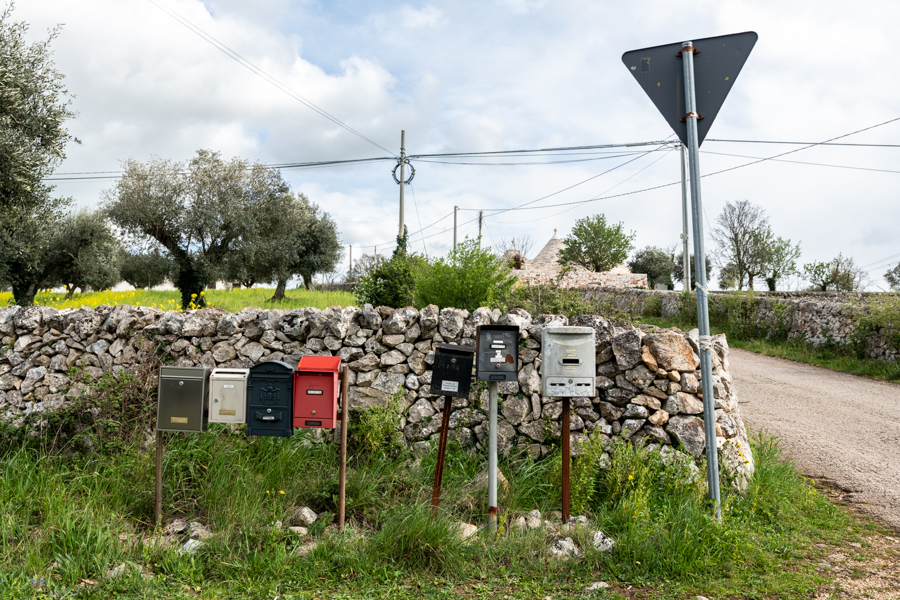
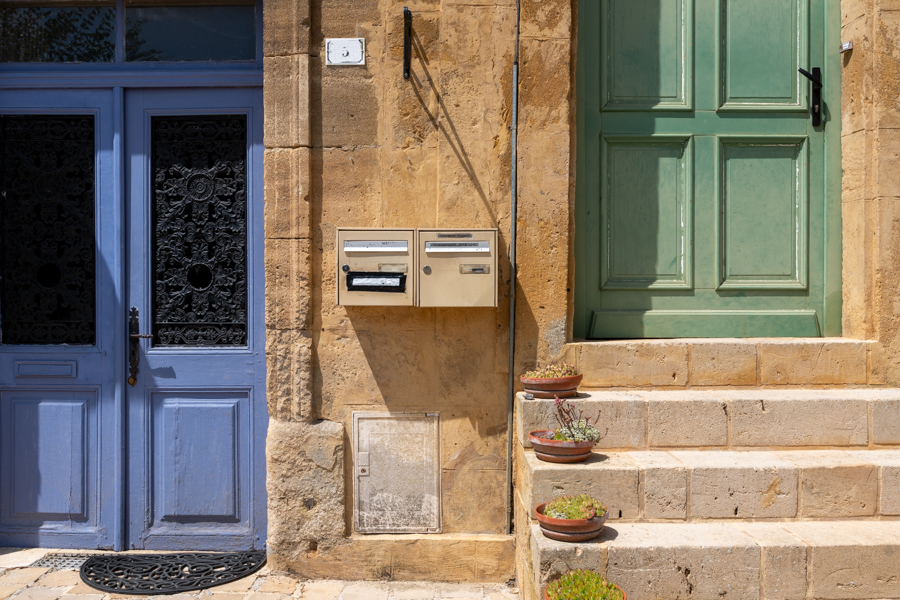
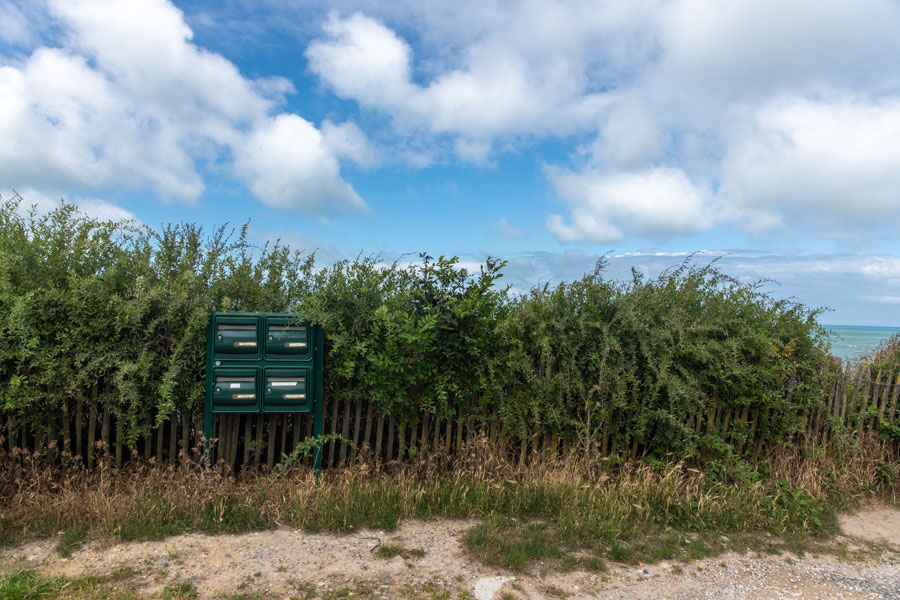
Sometimes there’s just one, sometimes many together.
In her art book, Els Gielen turns her attention to letterboxes — not as ordinary, everyday objects, but as vessels of stories and traces of a disappearing tradition. Her photographs are not driven by nostalgia, but by a sense of attentiveness. She captures what often goes unnoticed, bringing back into focus something we have come to take for granted: the unhurried nature of human connection.
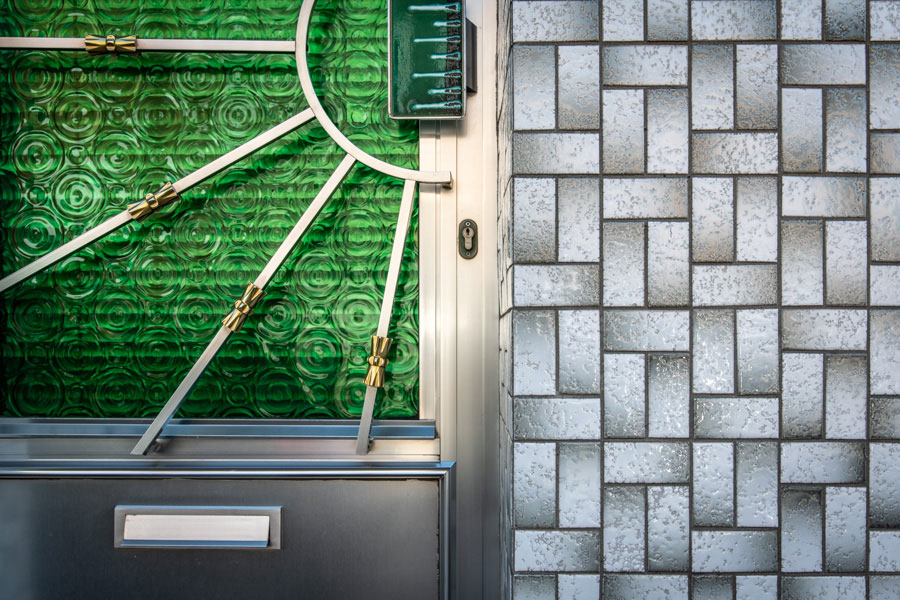
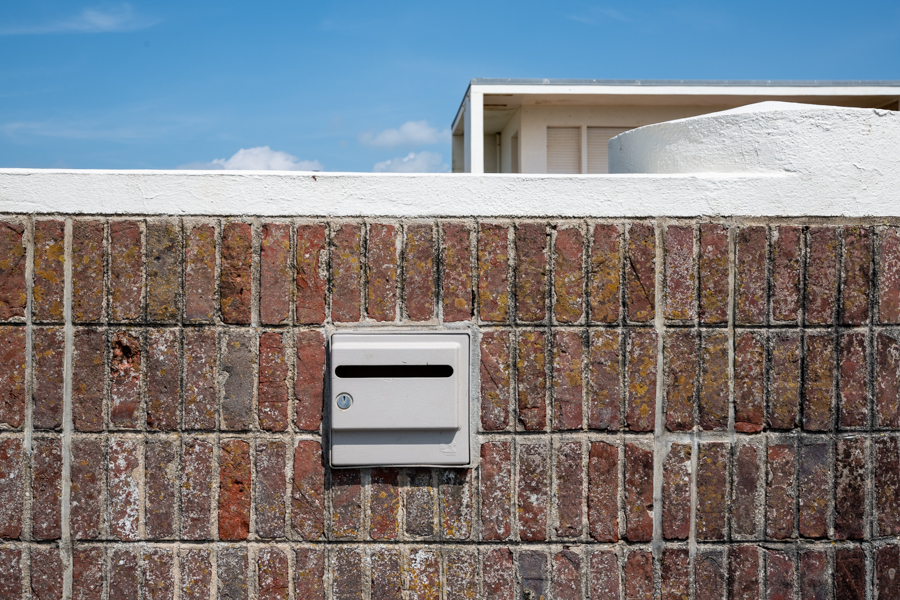
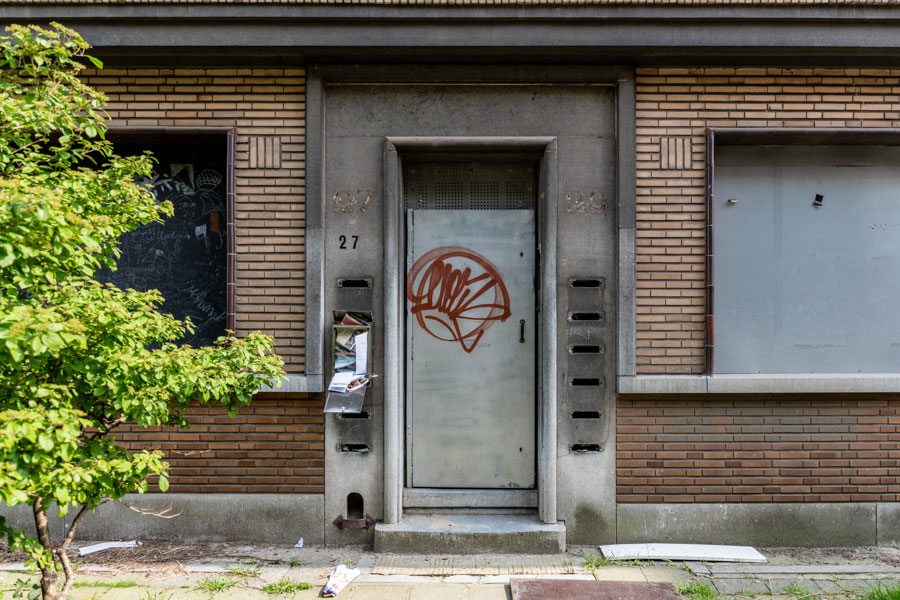
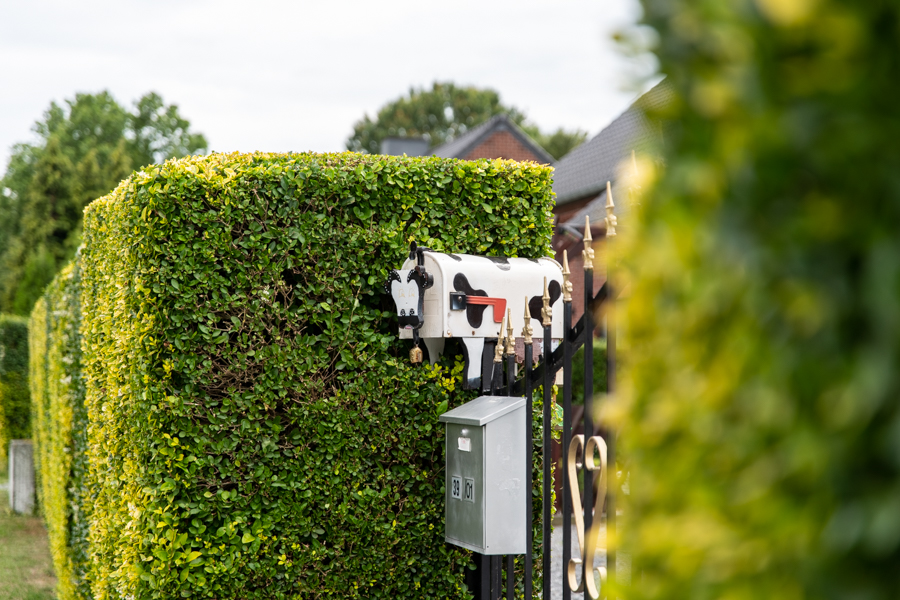
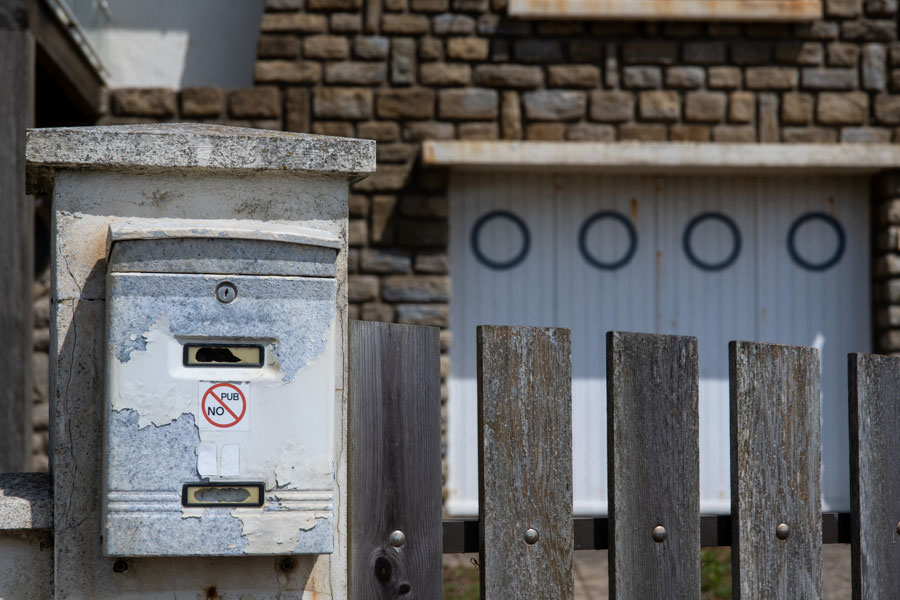
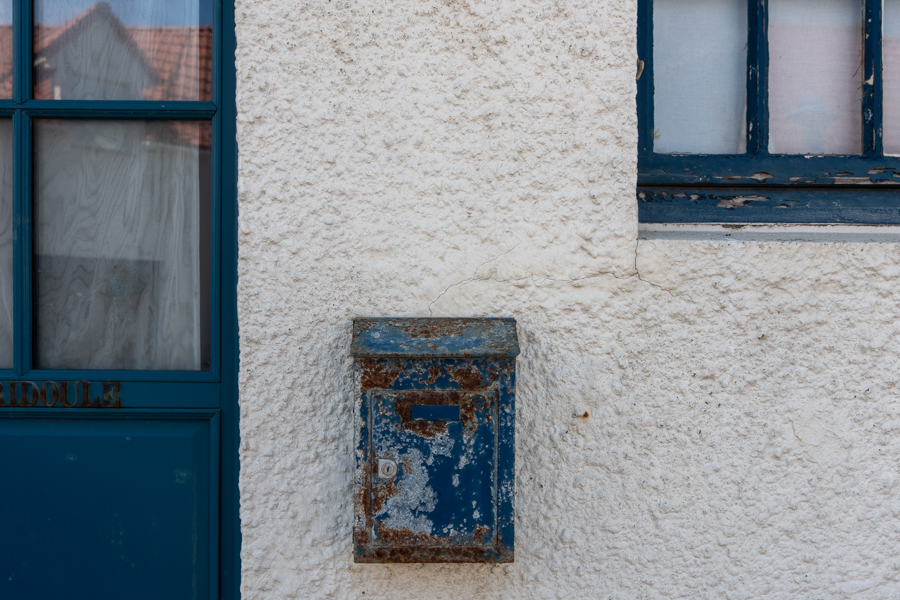
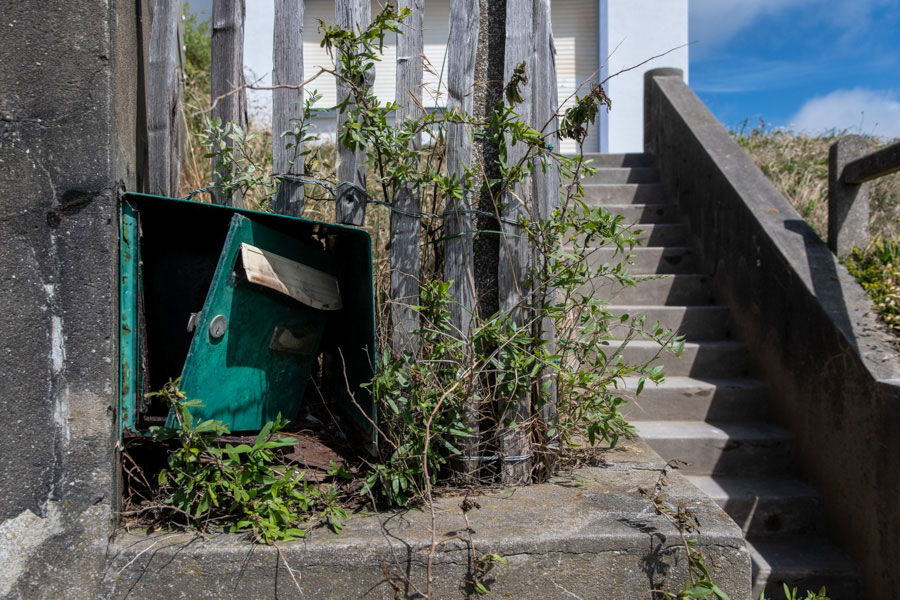
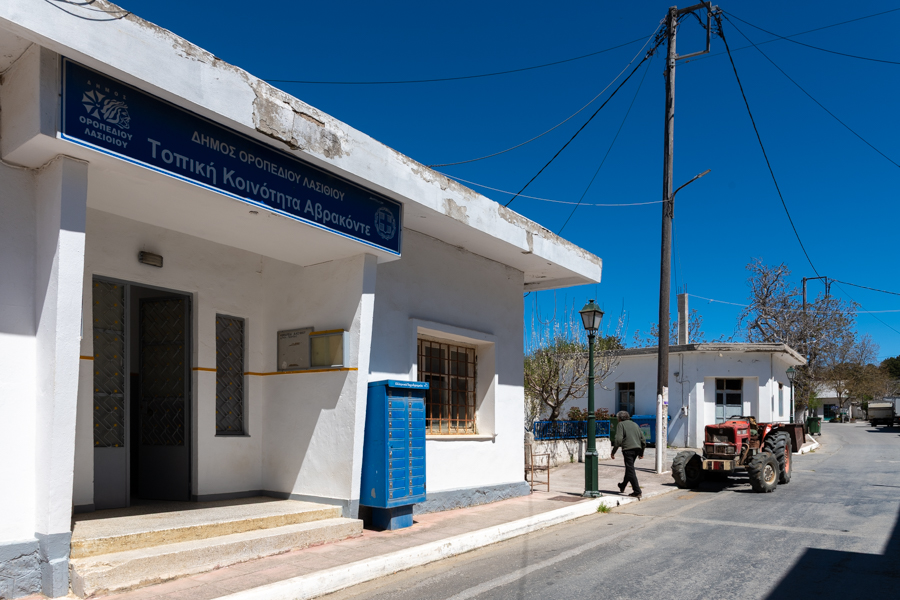
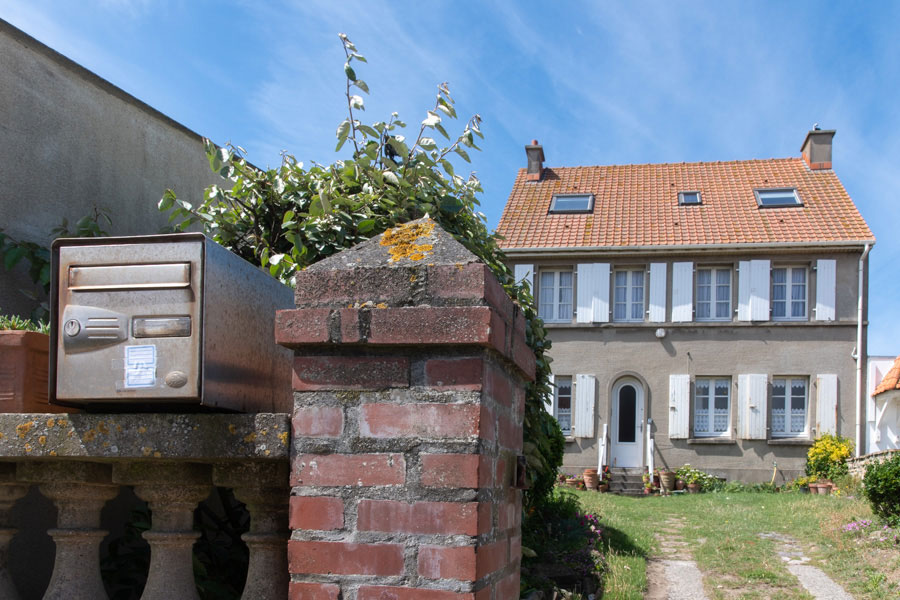
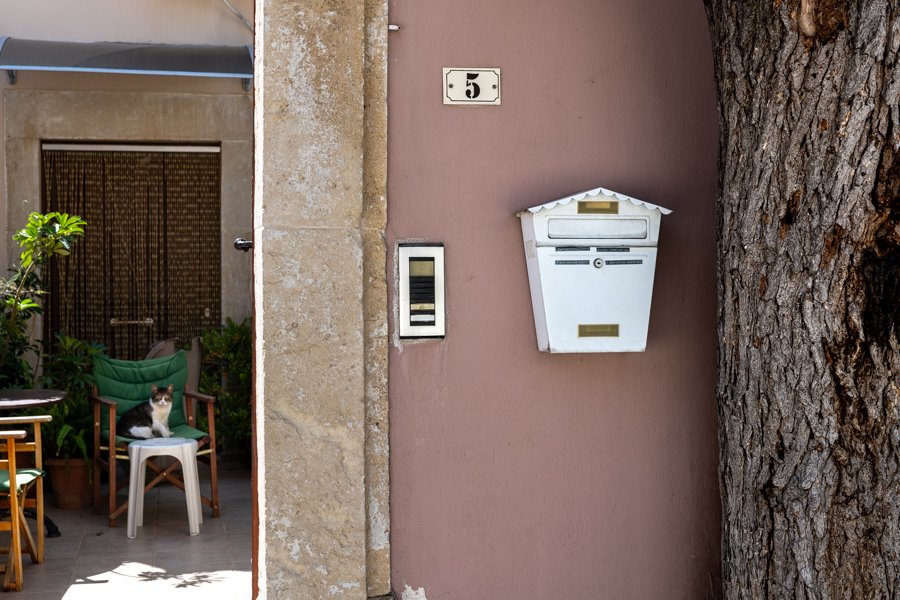
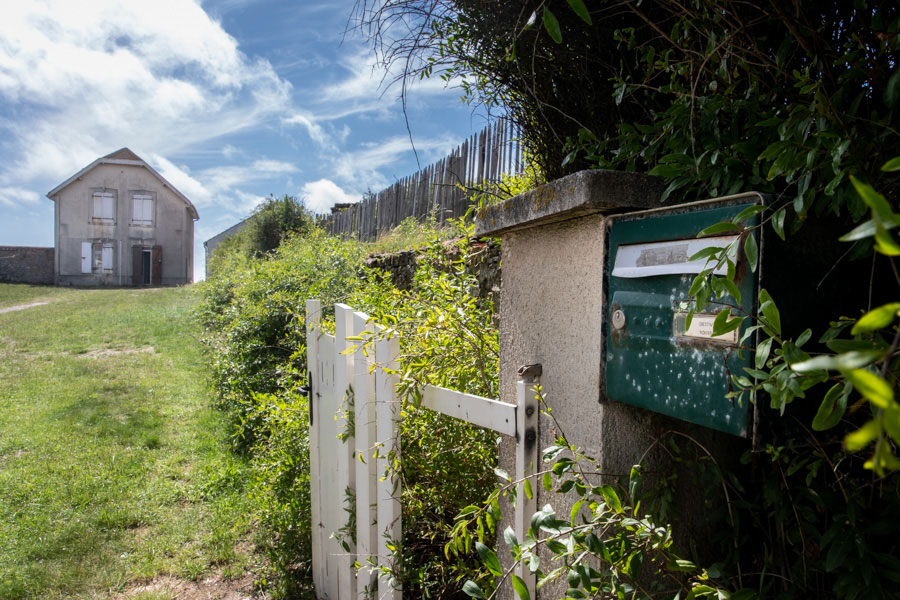
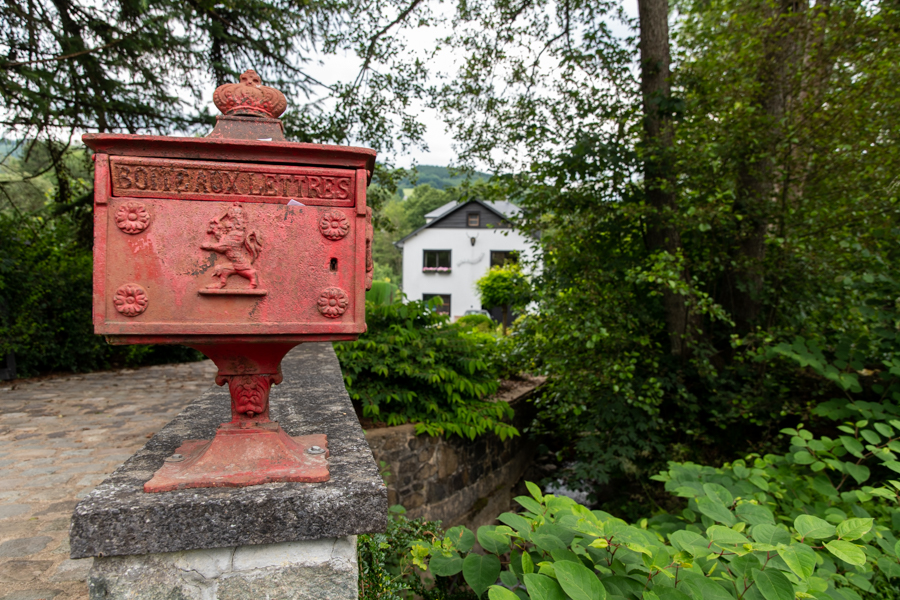
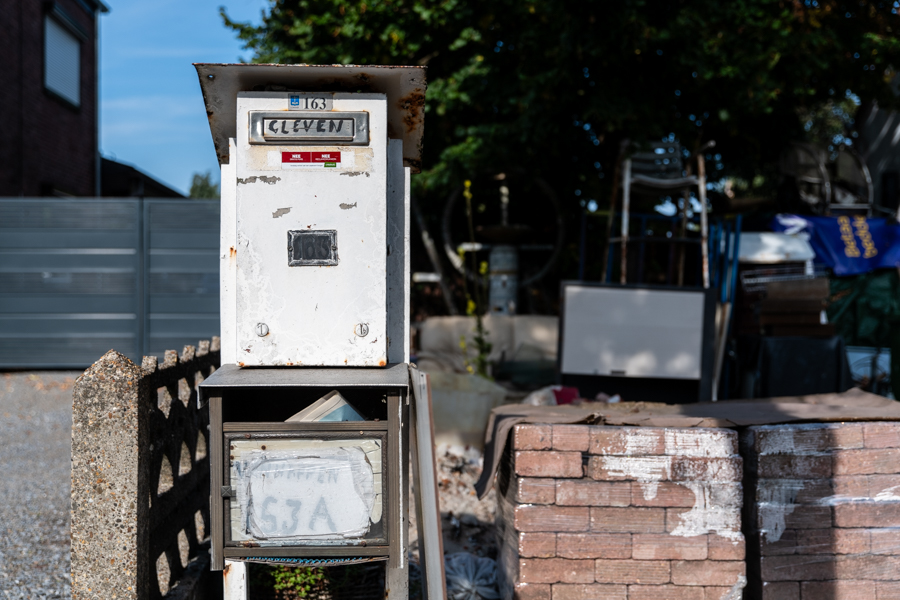
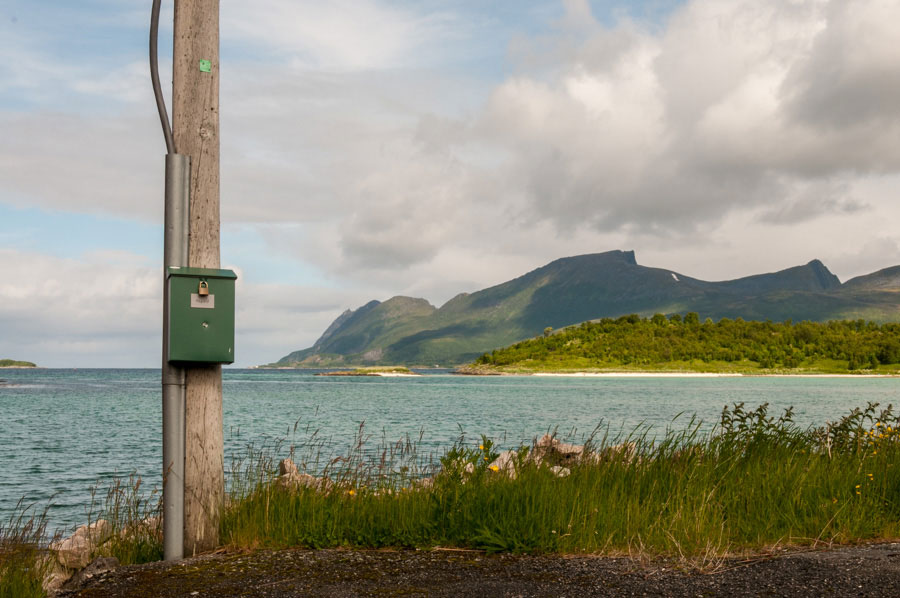
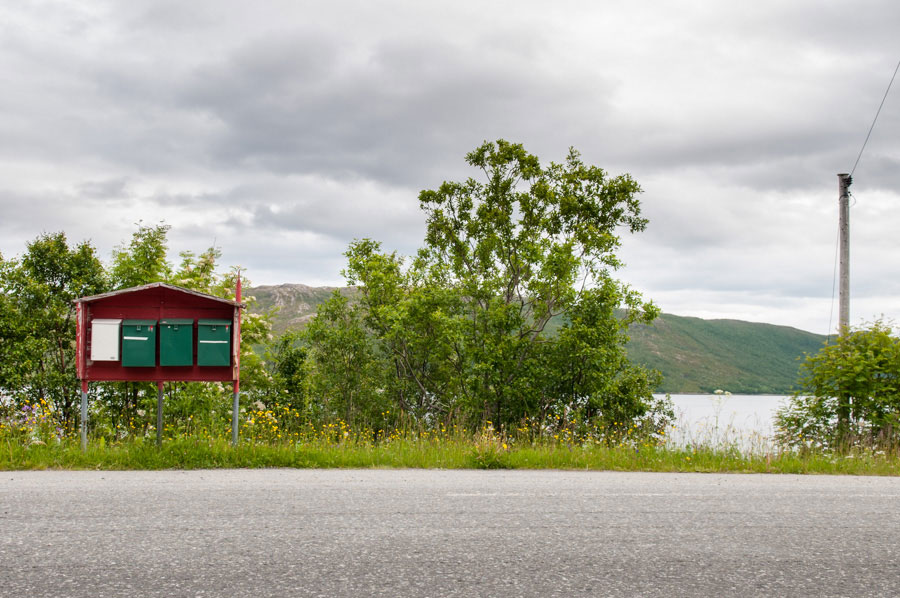
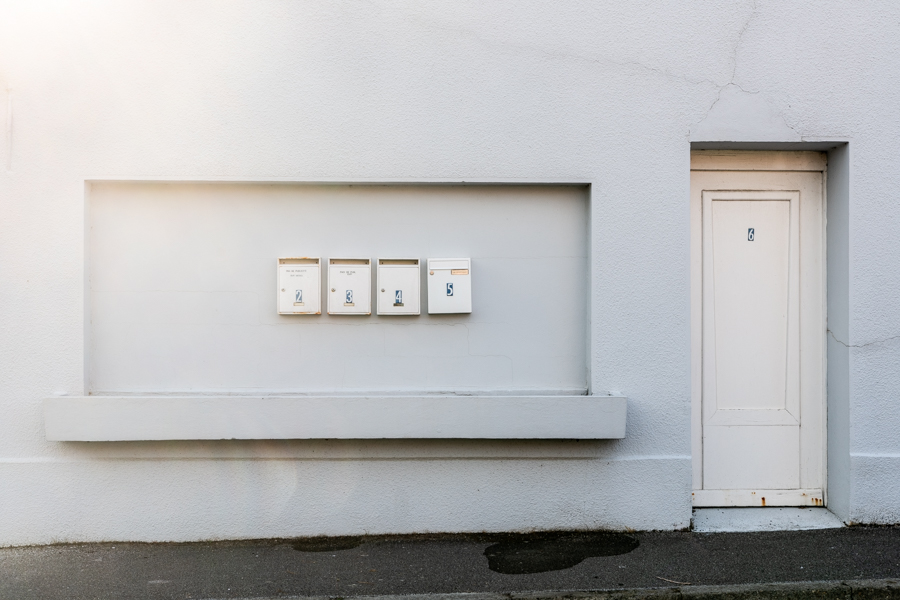
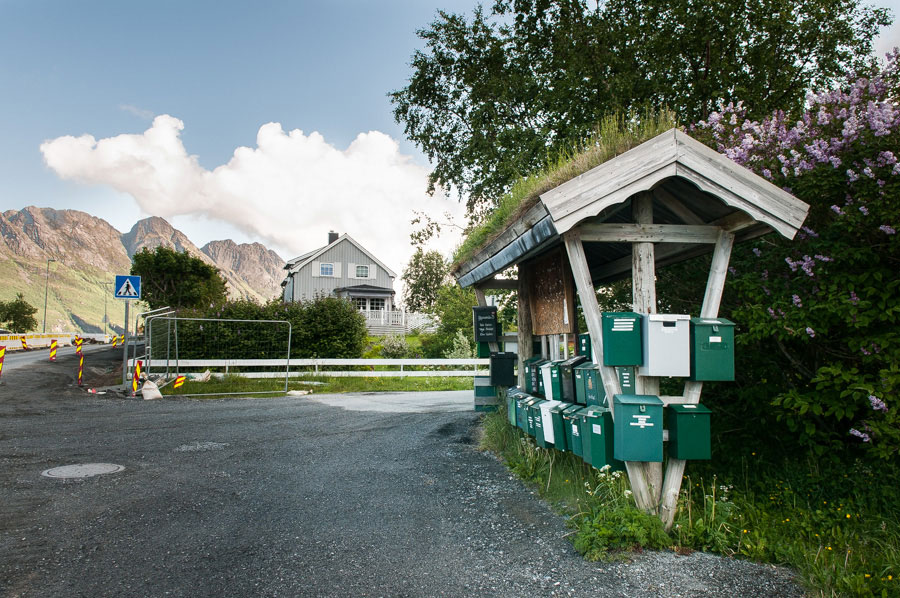
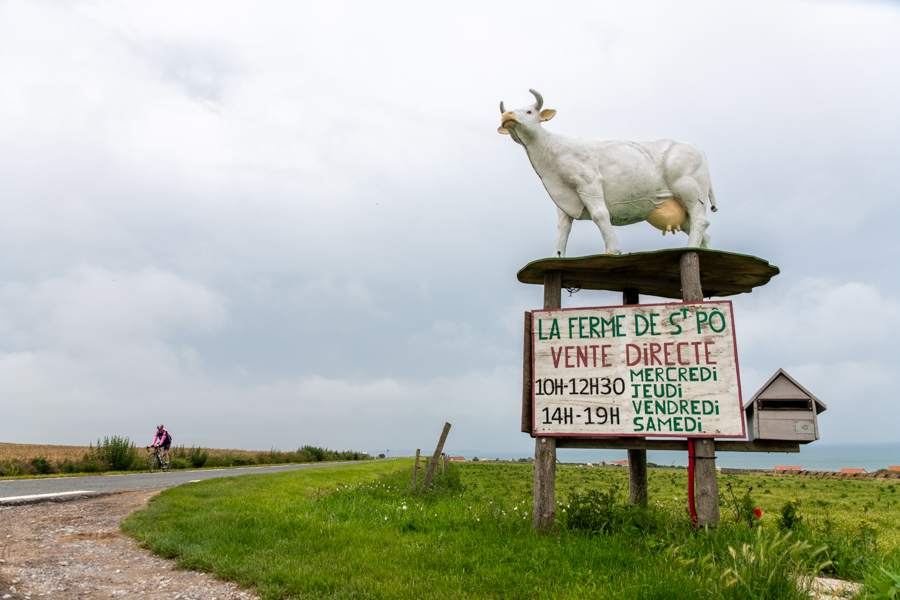
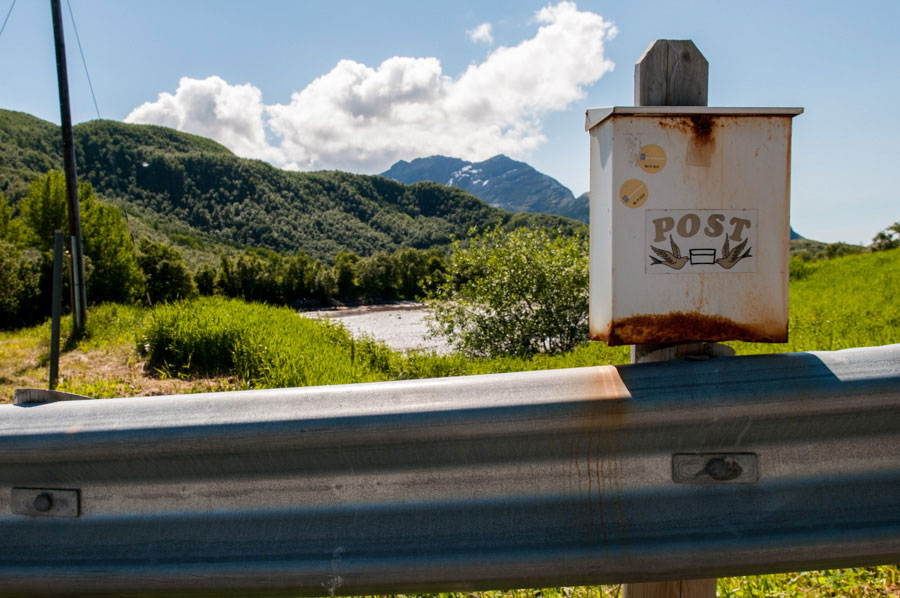
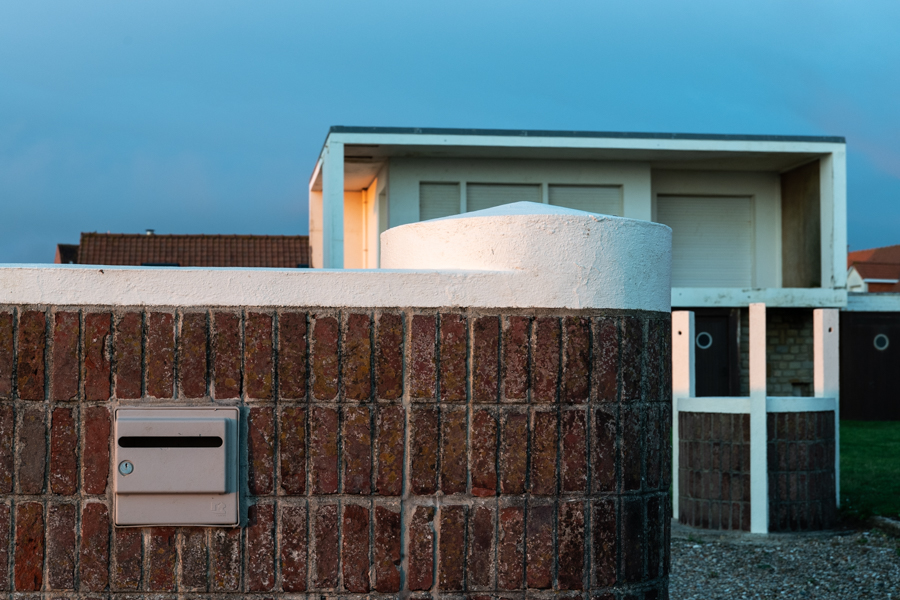
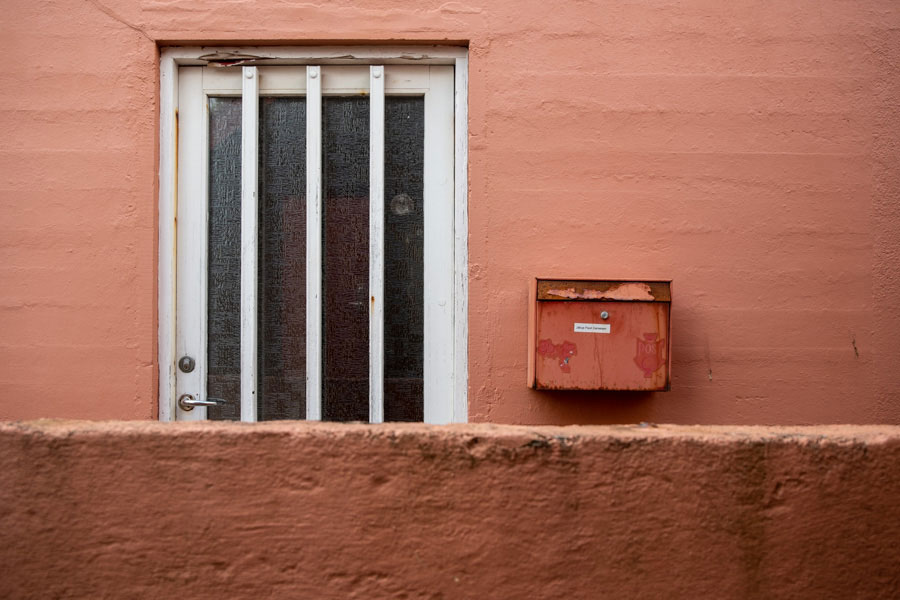
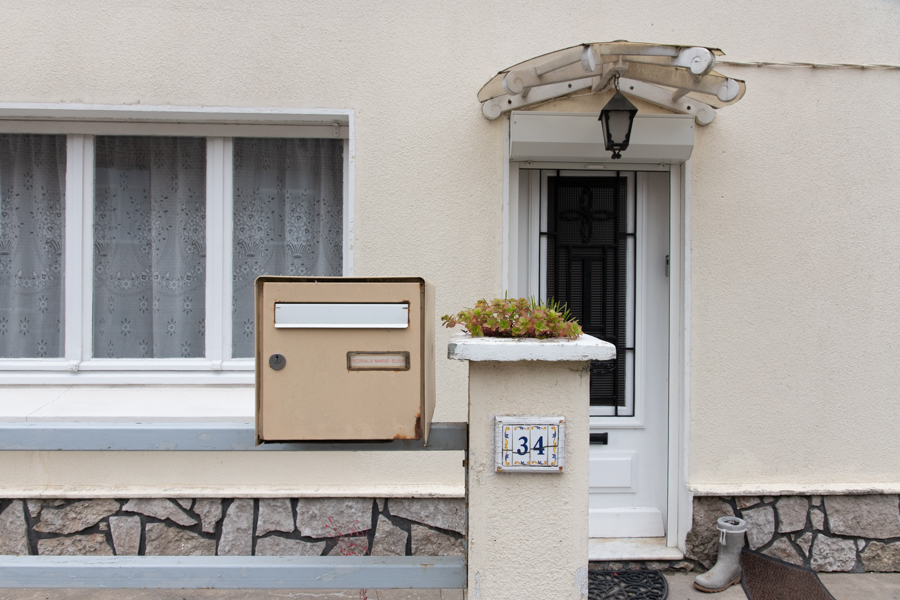
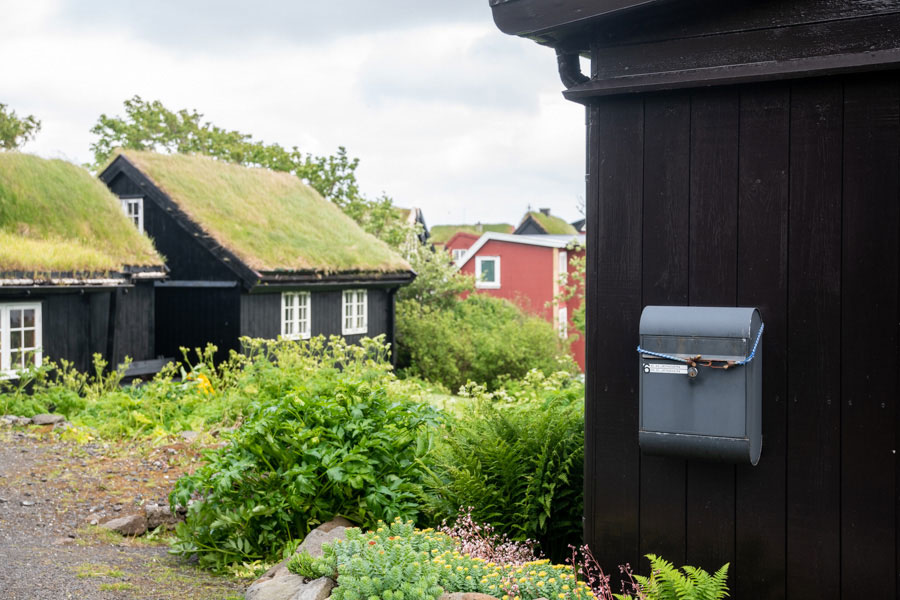
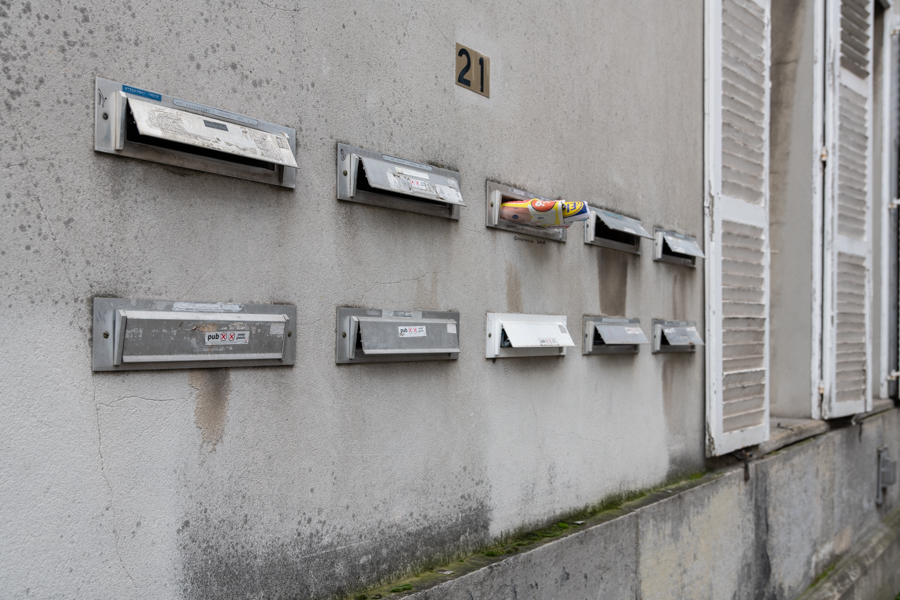
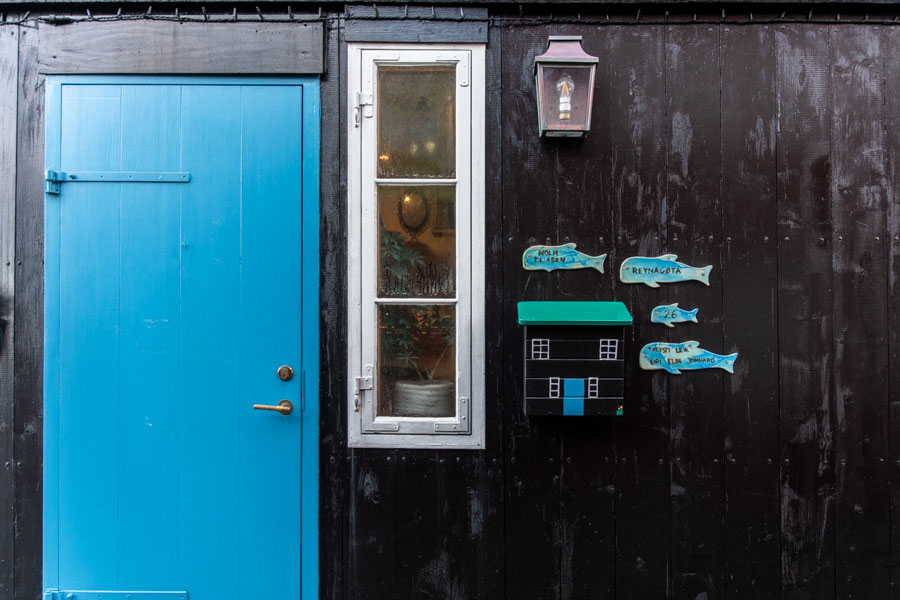
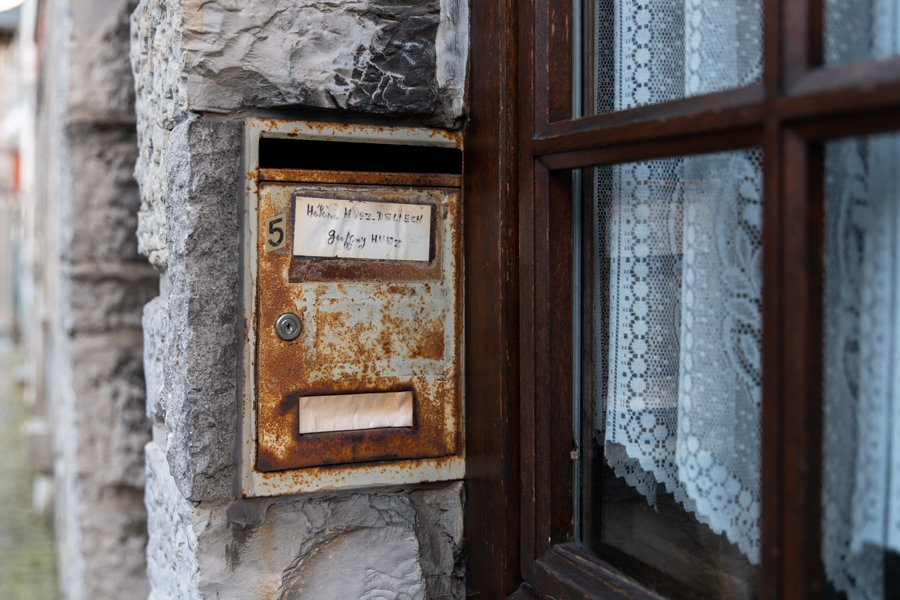
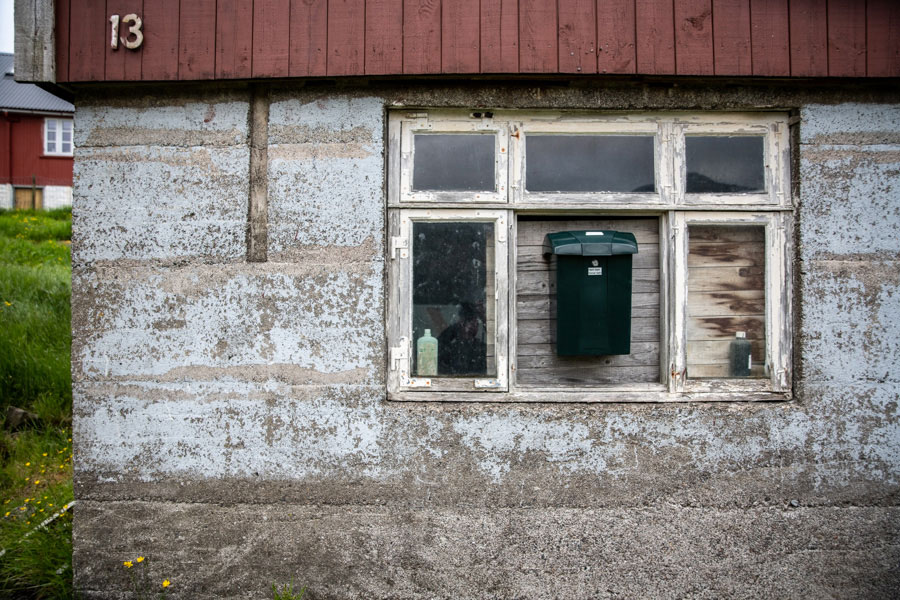
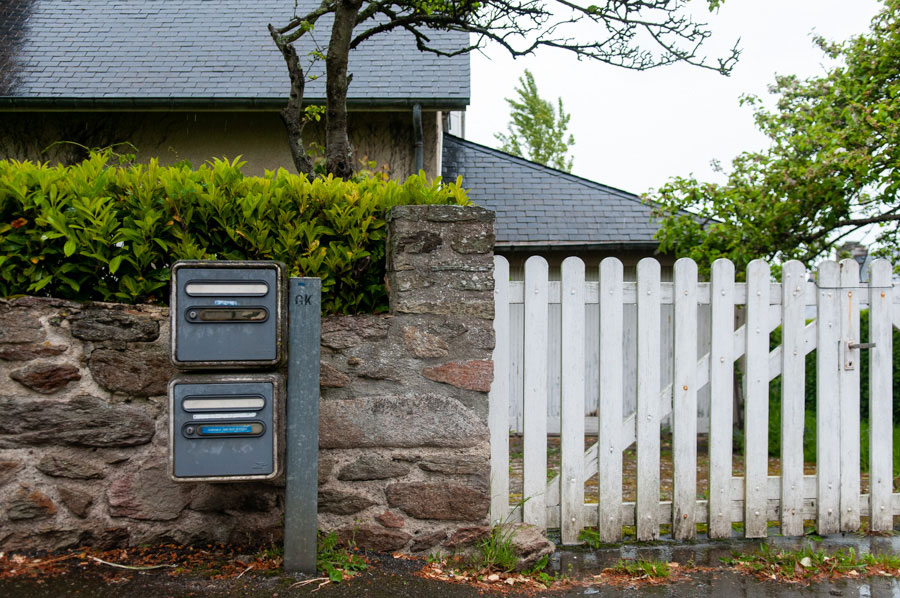
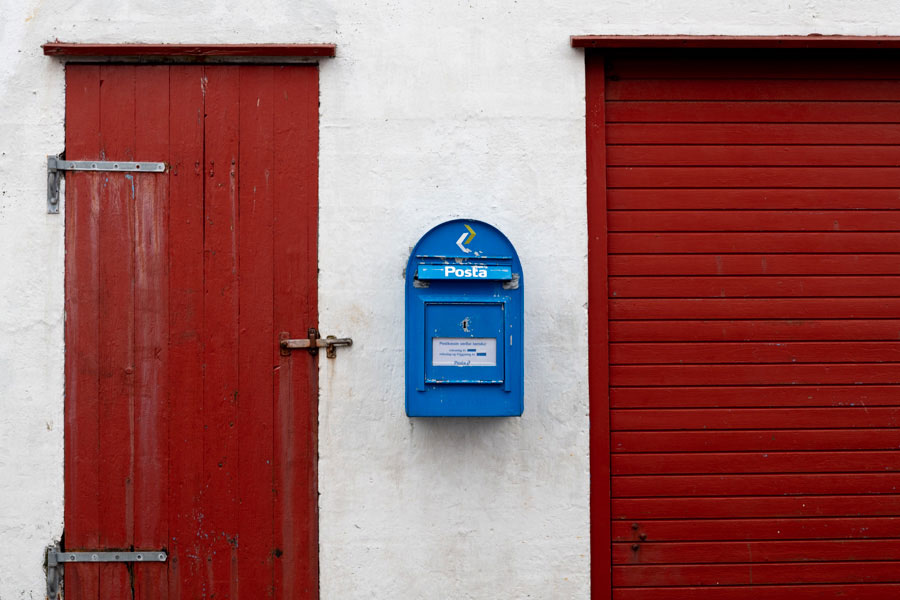
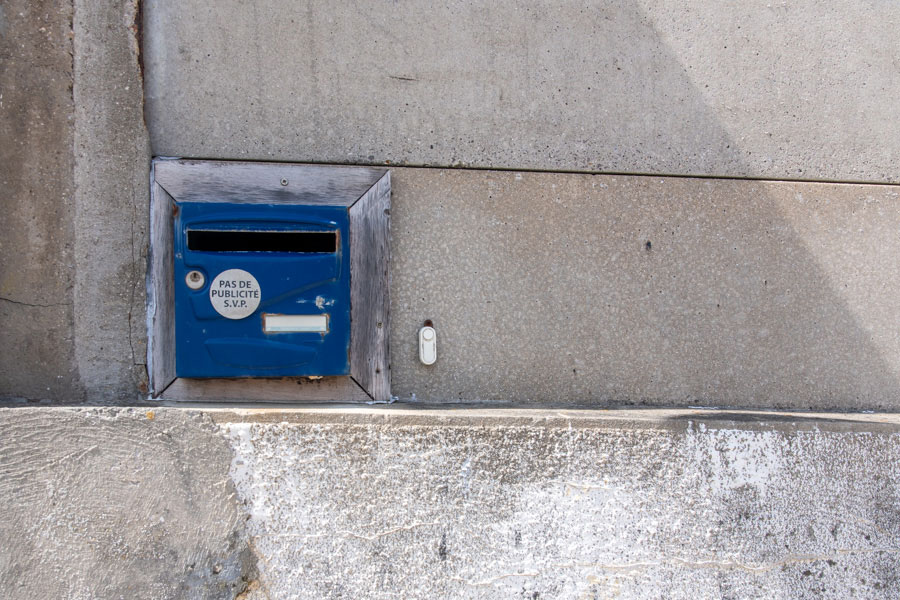
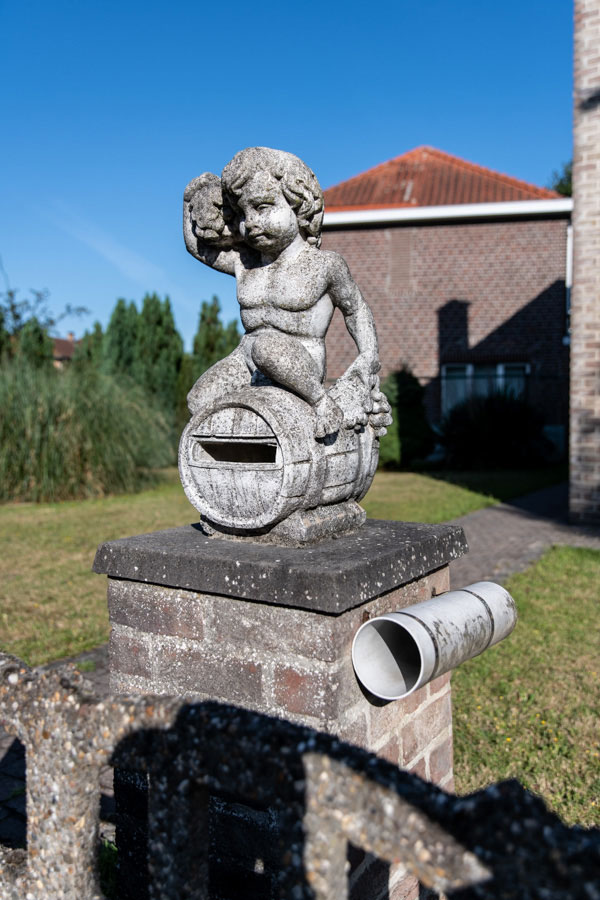
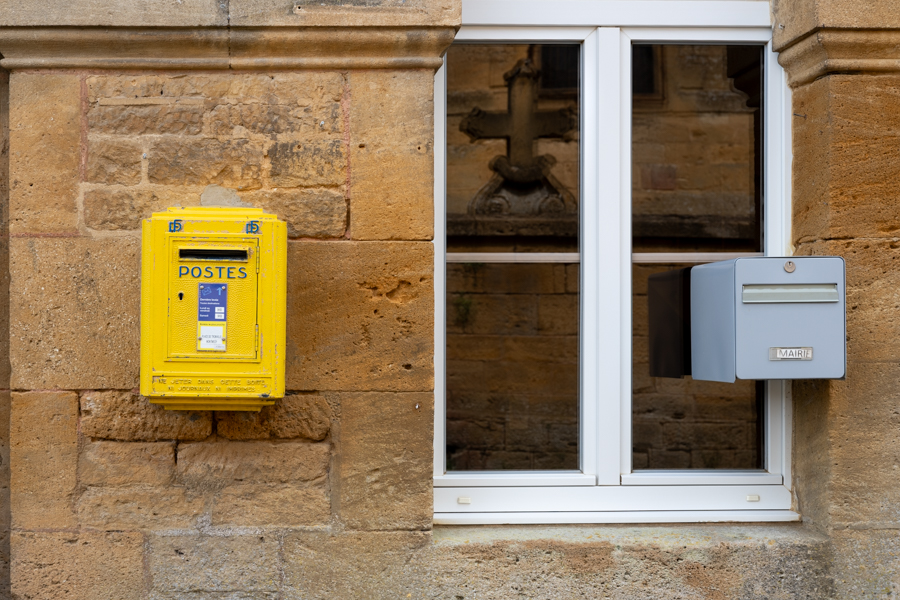
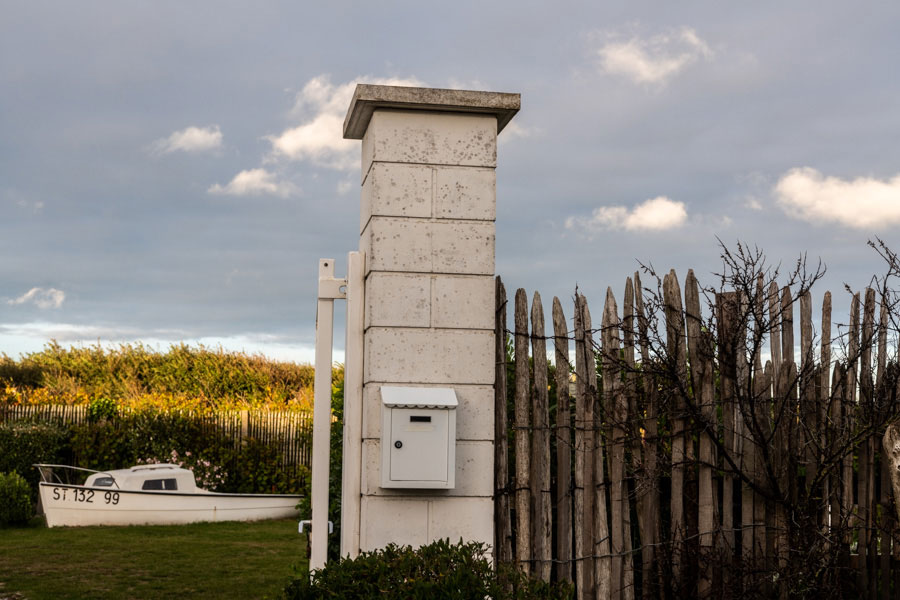
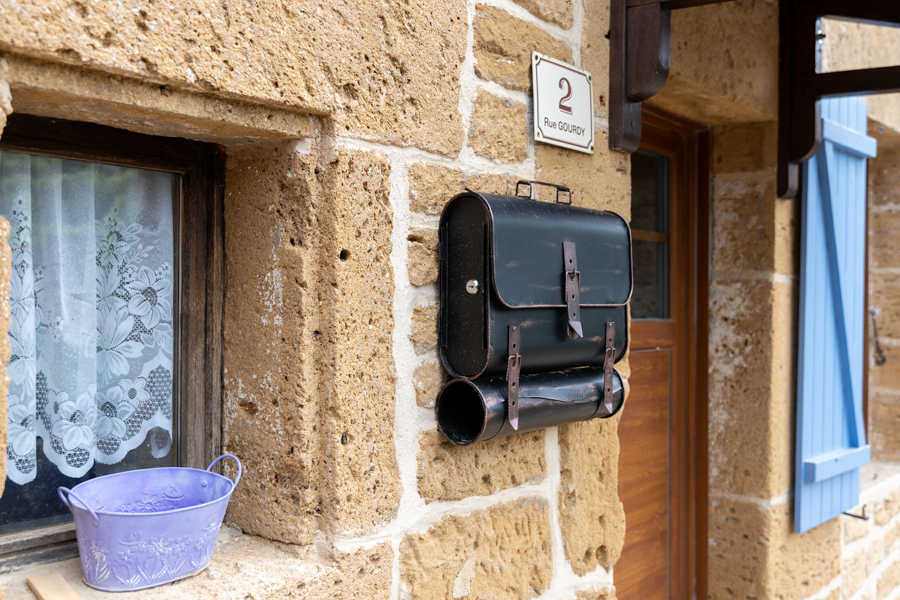
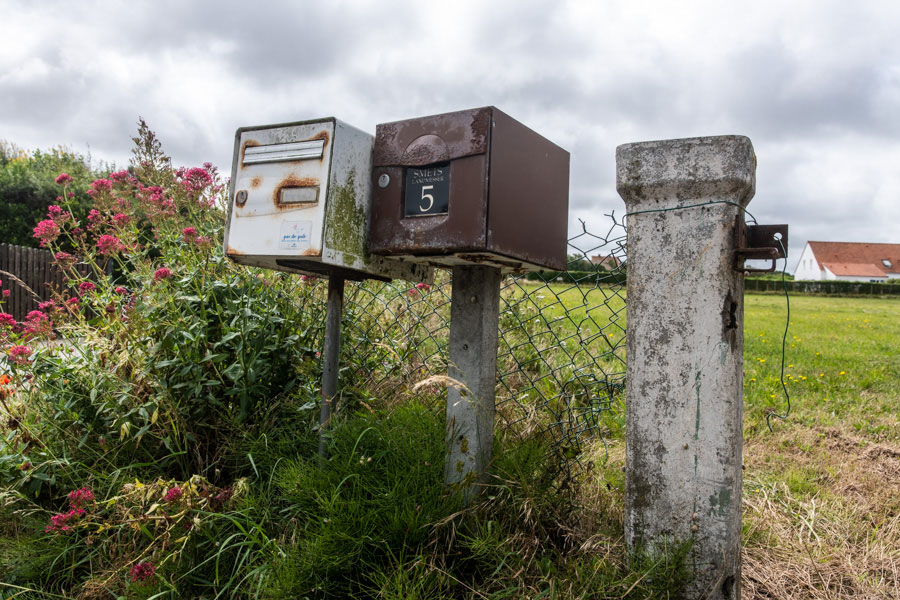
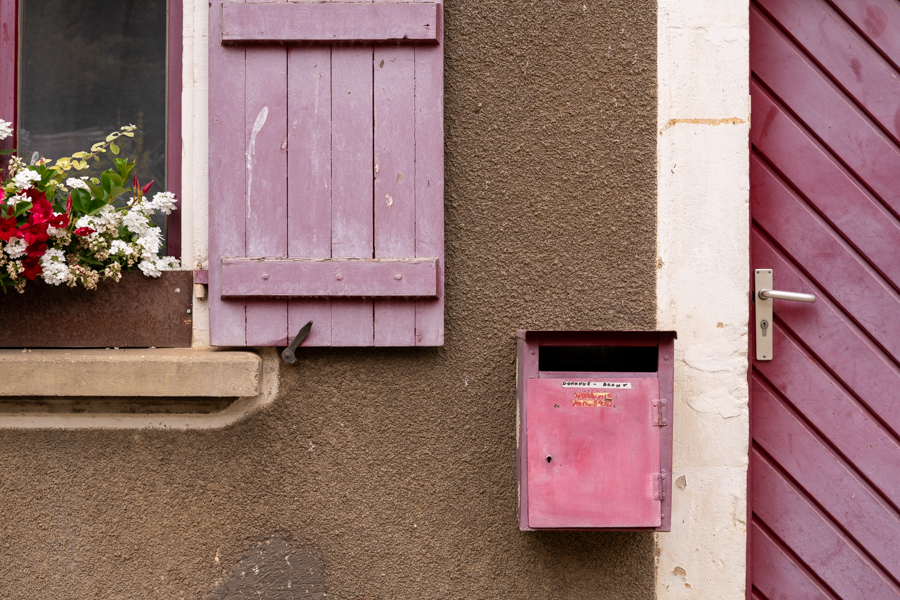
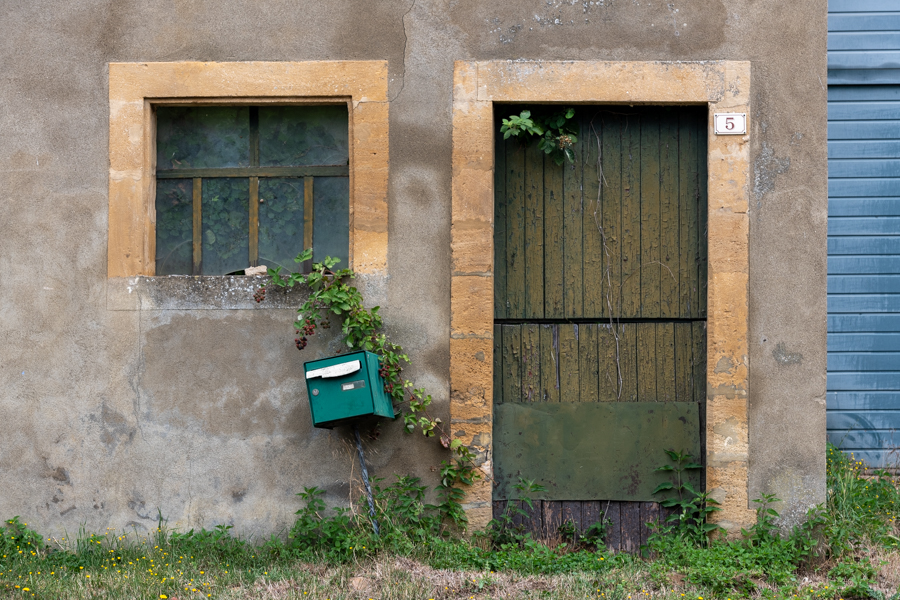
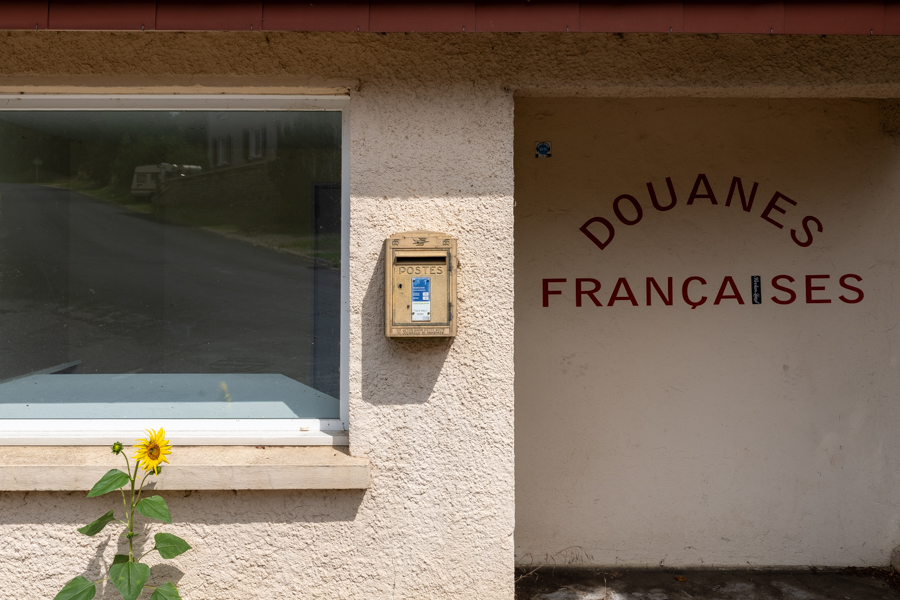
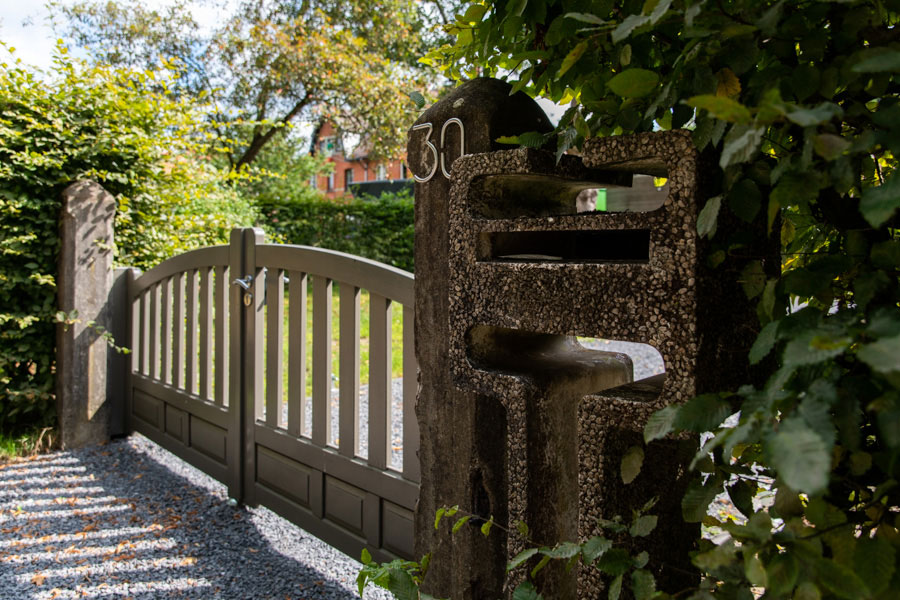
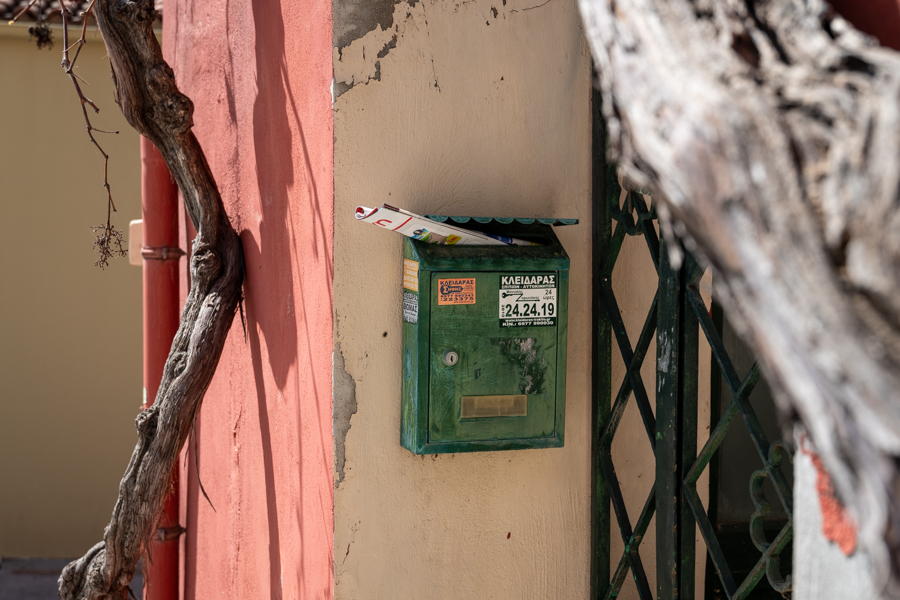
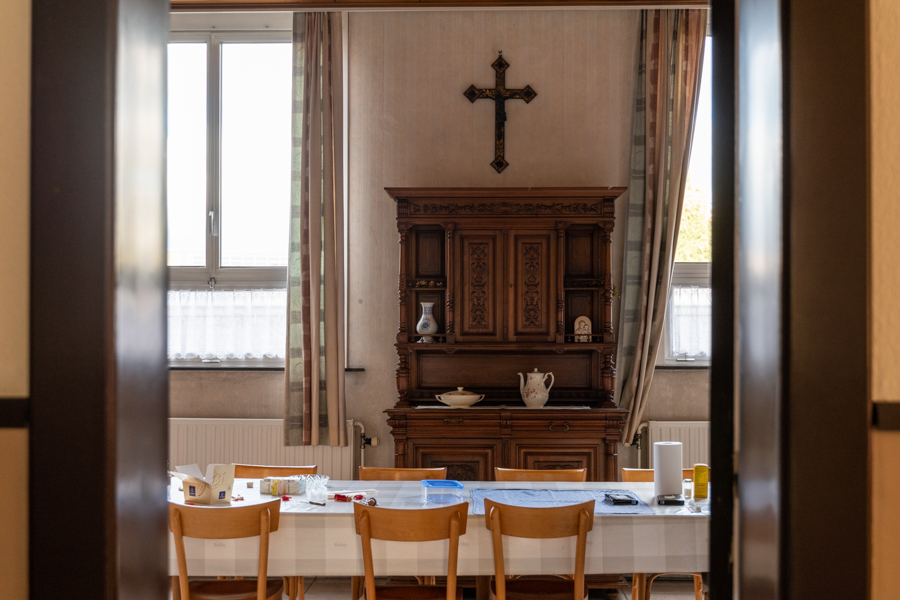
The collection shows mailboxes in all forms: old and new, as flaps in doors or walls, standing alone or grouped, decorated or plain. Some are carefully crafted by their owners, others resemble trash bins. From typically French to unmistakably Norwegian mailboxes — each image tells a story. Because ultimately, a mailbox is more than a slot in a door. It’s a small window into a world where waiting and receiving still had special meaning.
In a world where we mostly reach each other digitally, the tangible moments of connection are slowly disappearing, and mailboxes seem almost obsolete. They’re still there — sometimes filled with advertisements, sometimes with the newspaper — always patiently waiting for a surprise letter that may never come. For a long time, finding mail in the mailbox was something to look forward to. The physical ritual of receiving mail has something magical about it. And the mailbox stands as a symbol of that euphoric moment when you hope for a message to arrive.
What makes her art book particularly compelling is the way she reopened the cycle of communication. After photographing the letterboxes, she used digital tools such as Google Earth to trace their exact locations. In doing so, she attempted to find the people who live, or once lived, behind these façades. She then wrote them a letter — a real one, on paper, in ink, placed in an envelope and sent with a stamp. What emerged is a subtle dialogue between old and new: a digital search led to an analogue encounter. Here, the letter was not merely the subject of the project, but also its medium — an artistic gesture that does more than draw attention to the decline of written communication; it briefly reversed it.
Some residents replyed, while others remained silent. Both responses, or the absence of one, became meaningful in their own way. The photographs thus become more than a record of what exists. They become windows onto time, proximity and distance, and onto the traces of human presence that are slowly disappearing, yet can still be preserved.
In a world where communication has become increasingly fast, fleeting and intangible, this book project reminds us of the value of taking our time. It shows us that a letter — and even a letterbox — is more than an object or an act of communication. It is a space in which attention and trust can still linger, if only for a moment.
Through this photographic project, Els Gielen invites us back into that space. Not to return to the past, but to understand what we risk losing — and to explore how we might find a way to touch it once more.
Are you intrigued by the art book project? Order here.

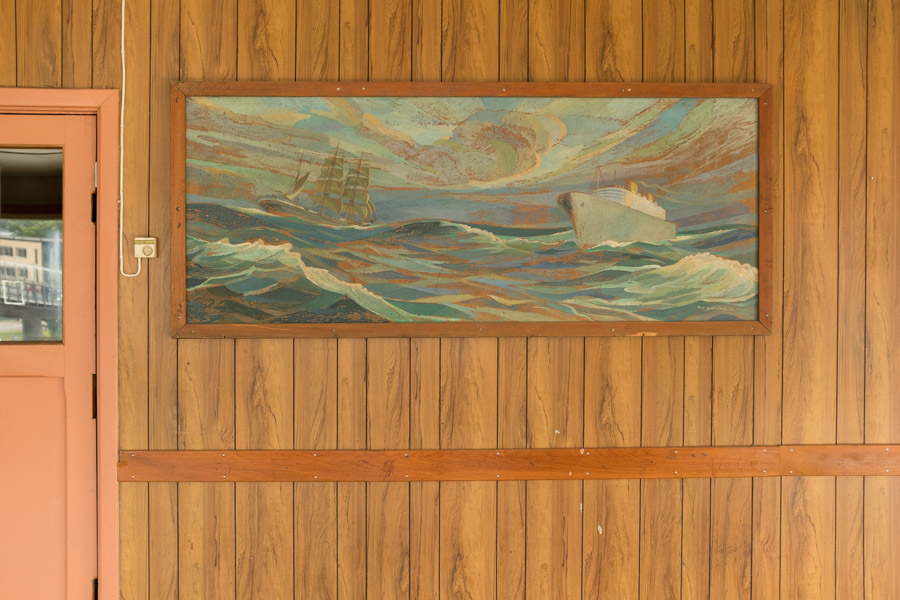
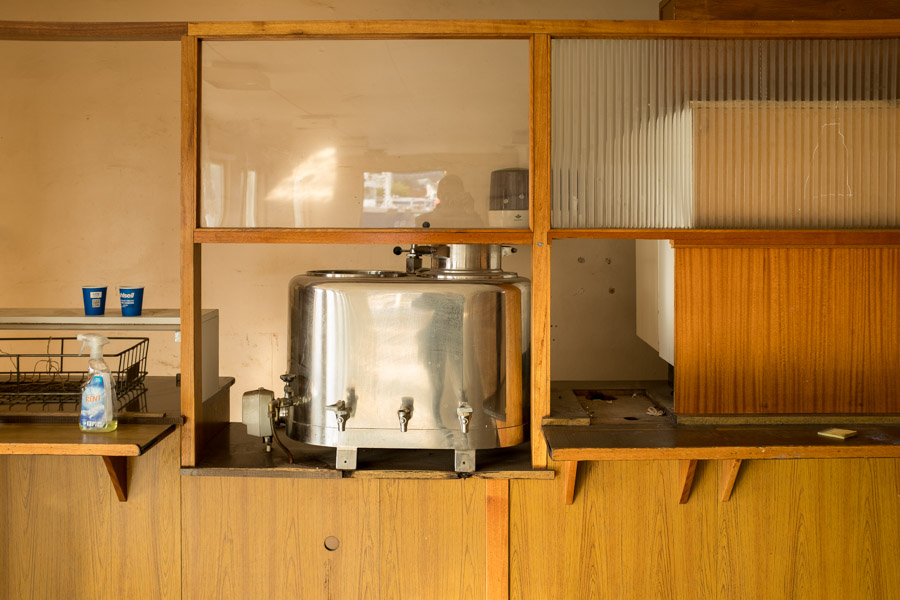
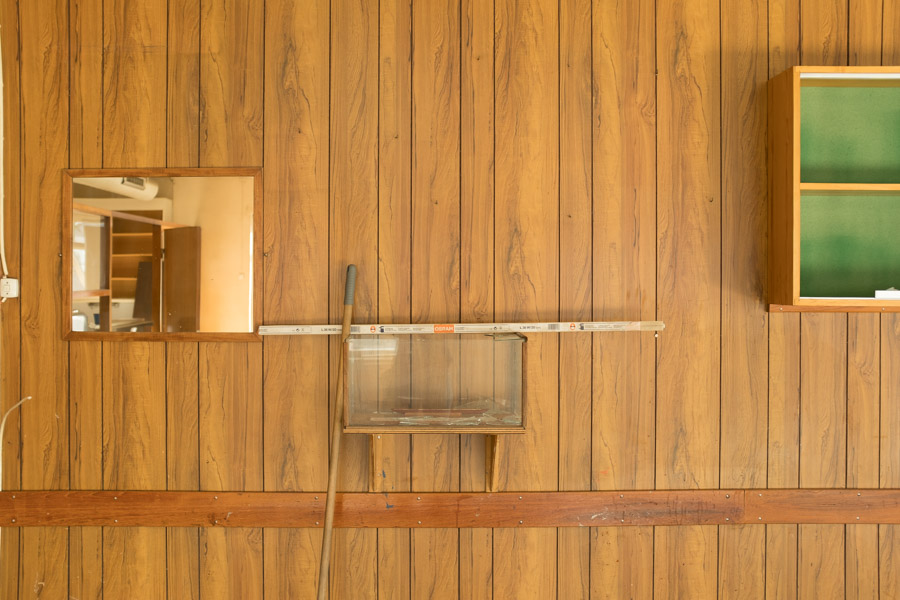
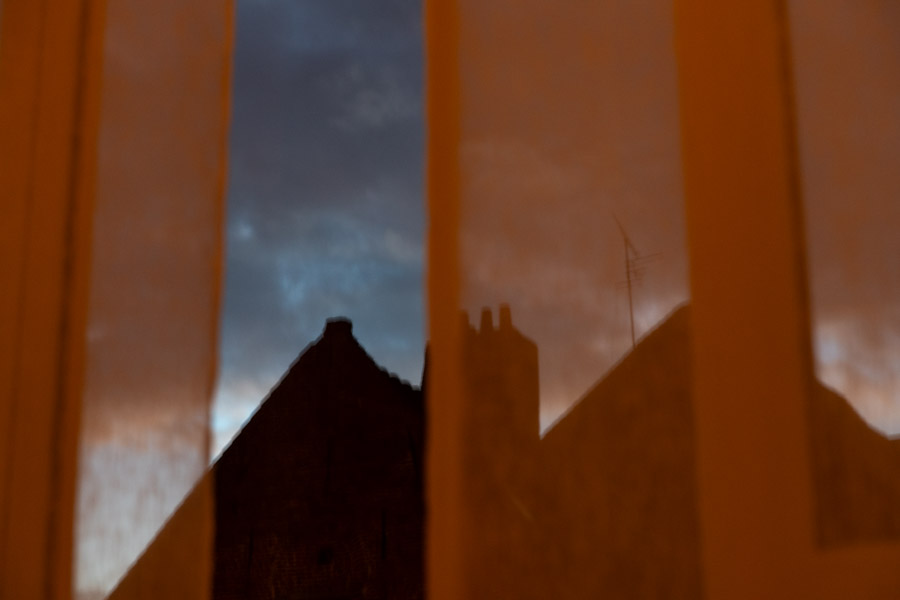
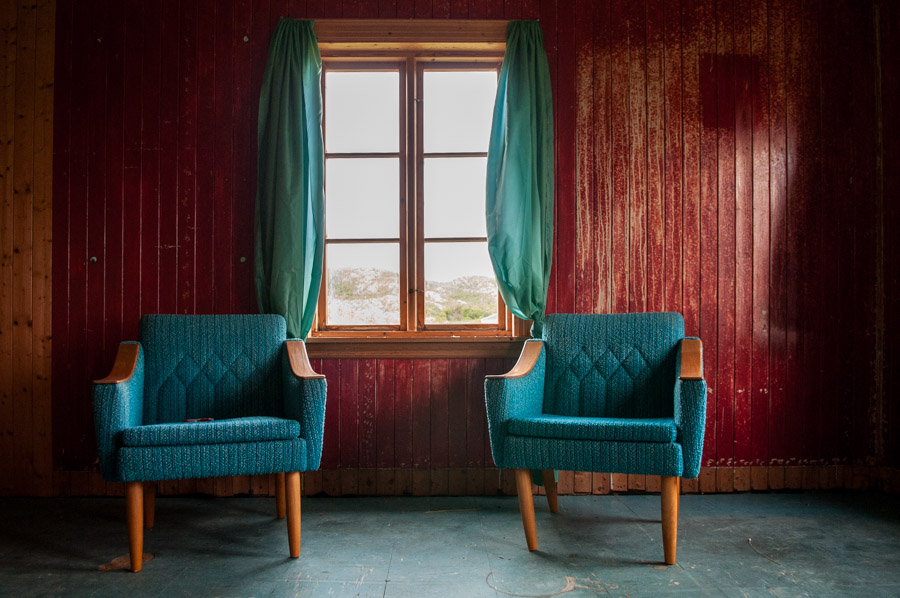

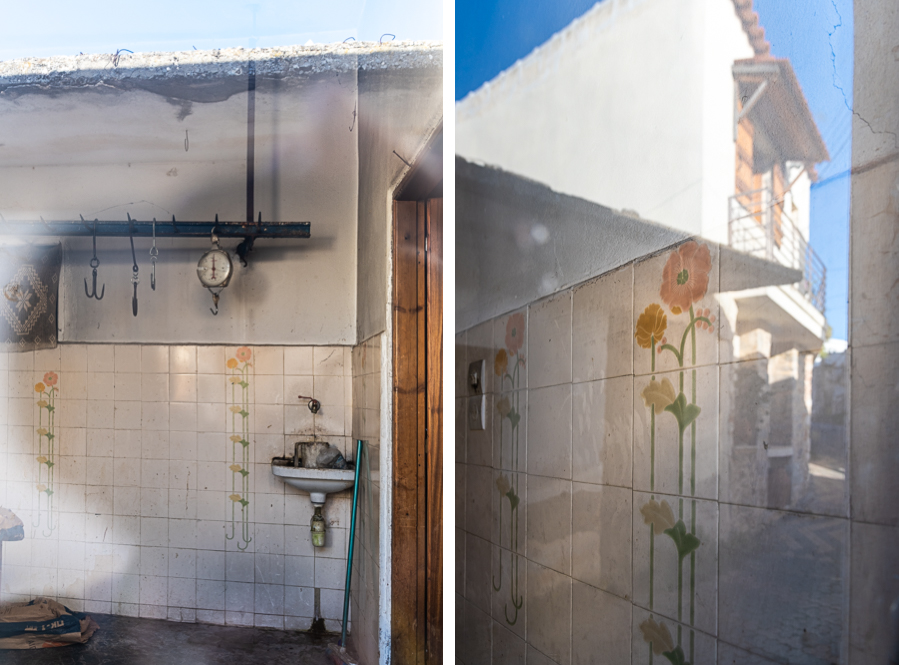
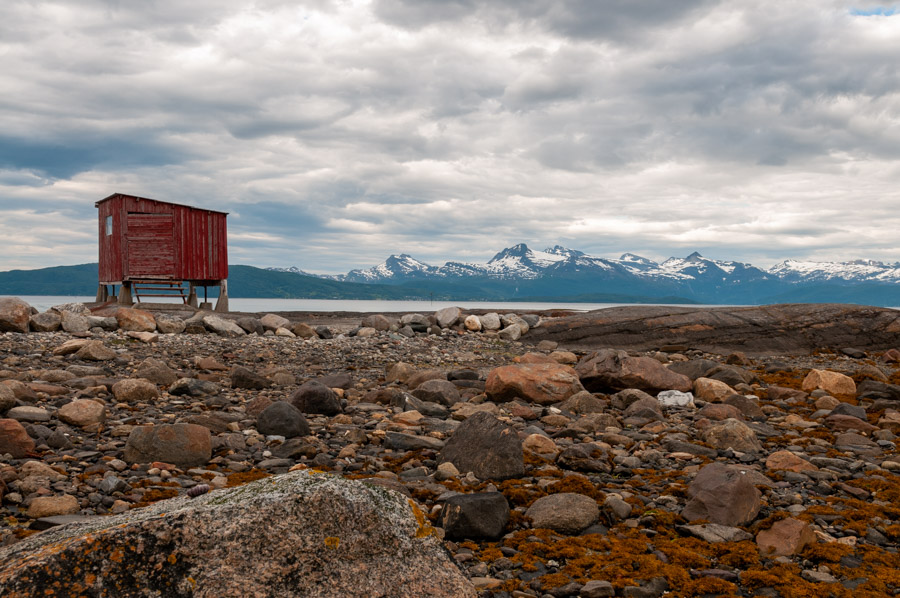
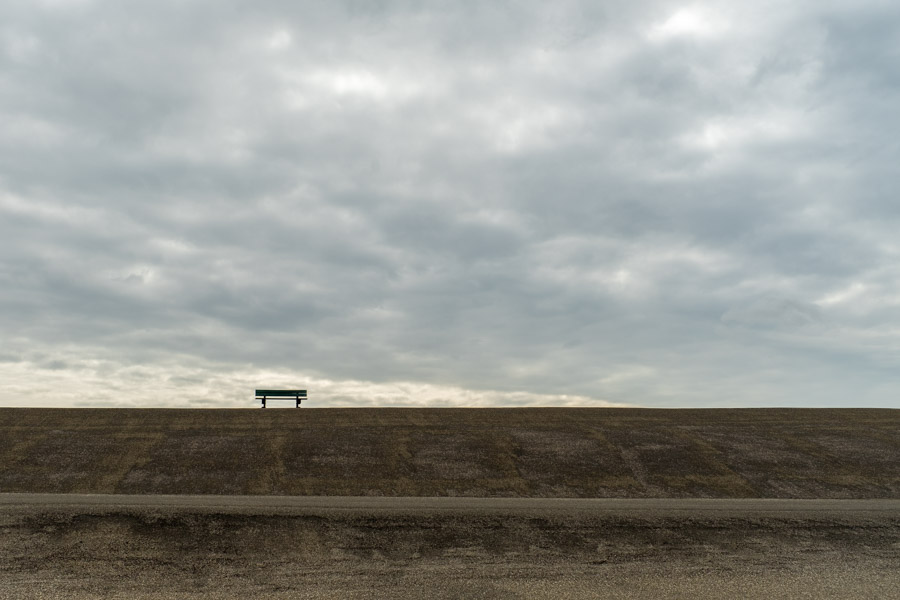
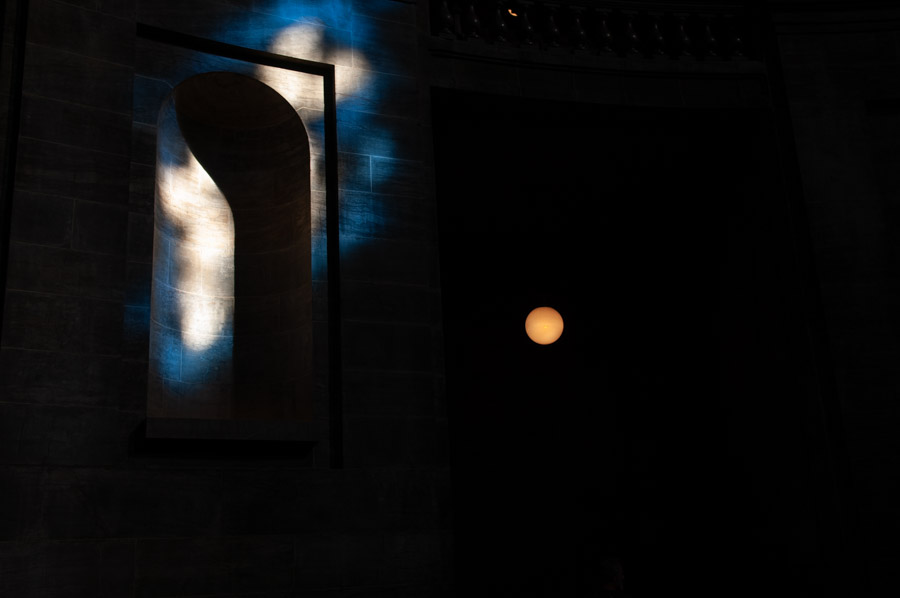
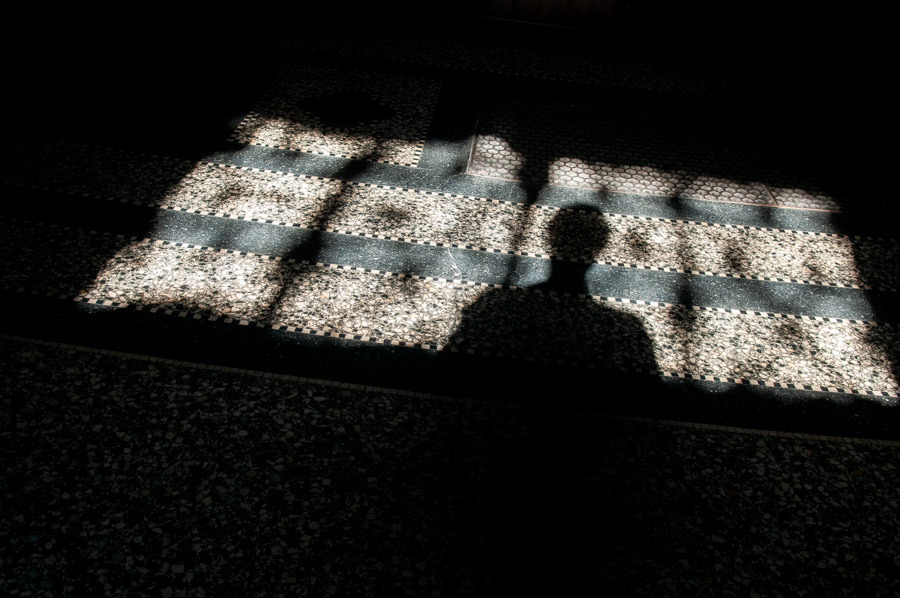
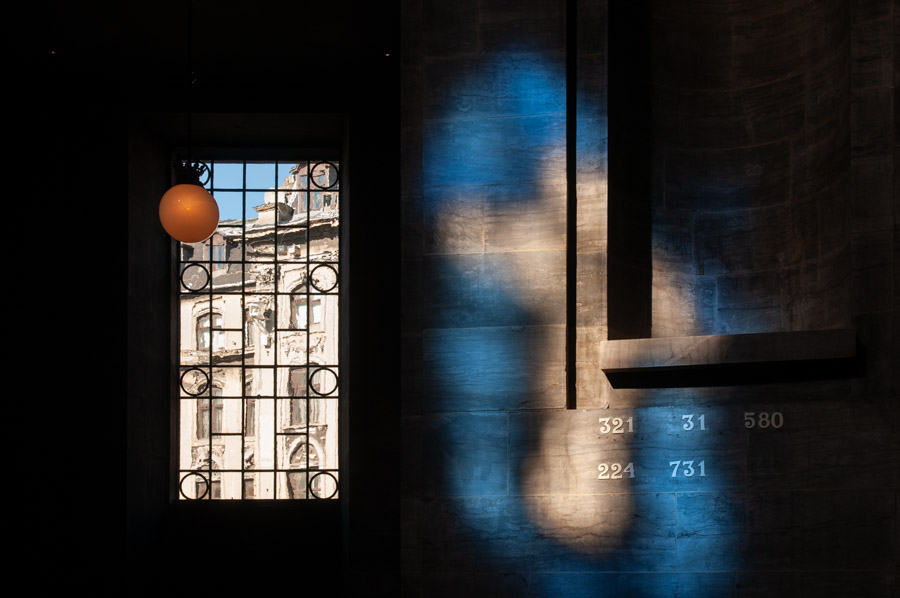
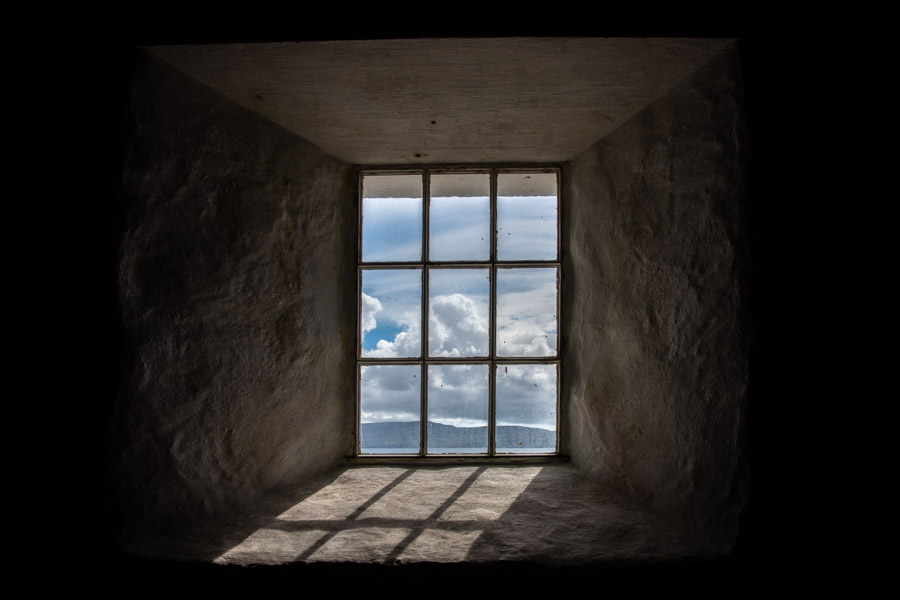
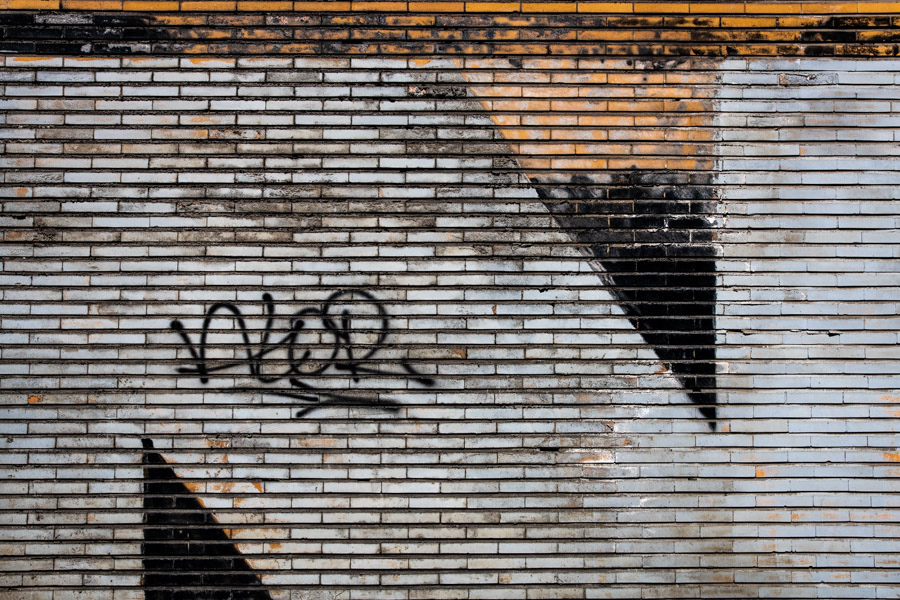
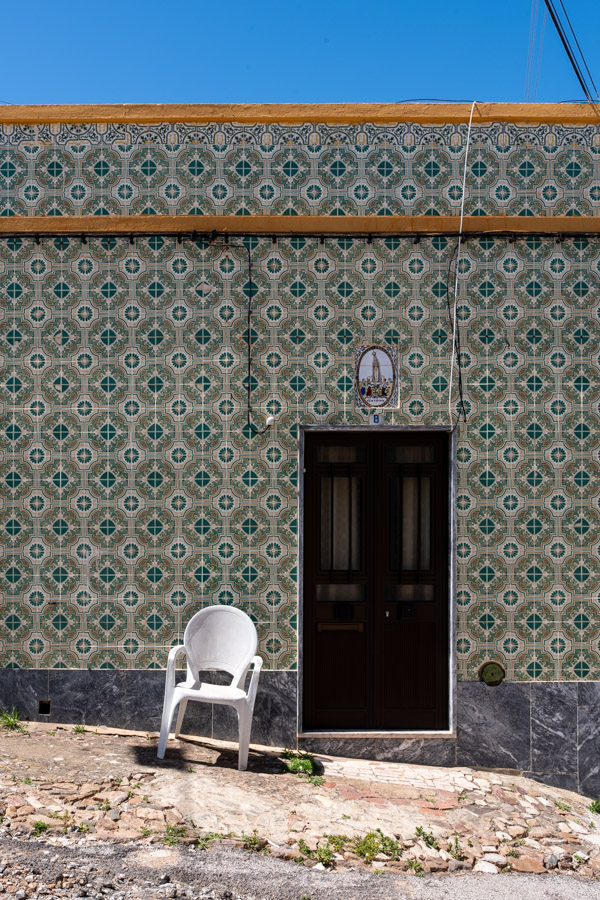
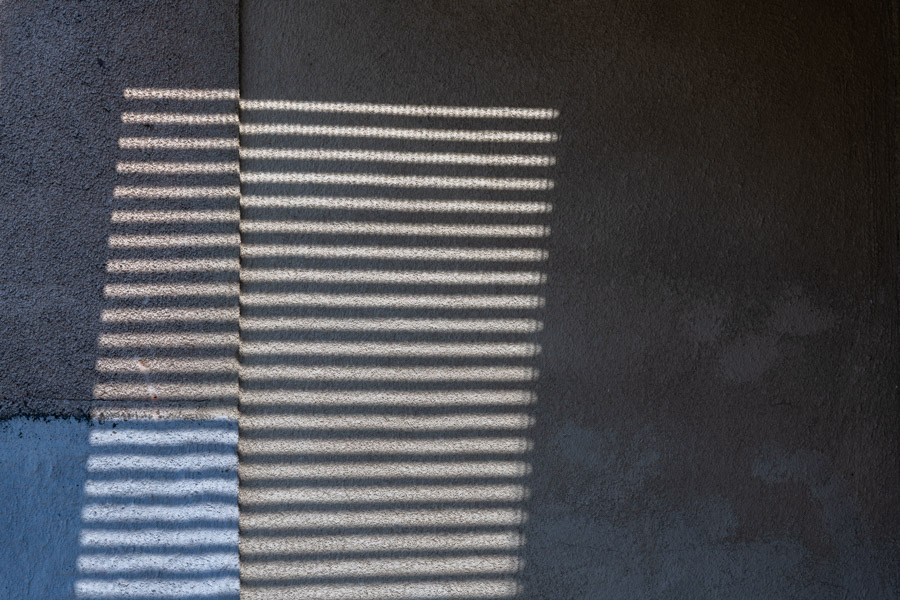

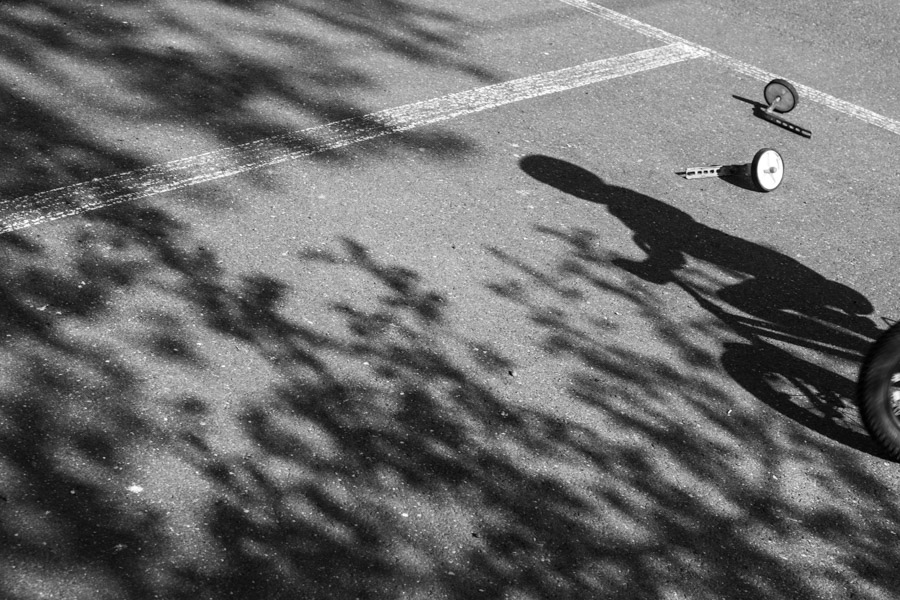
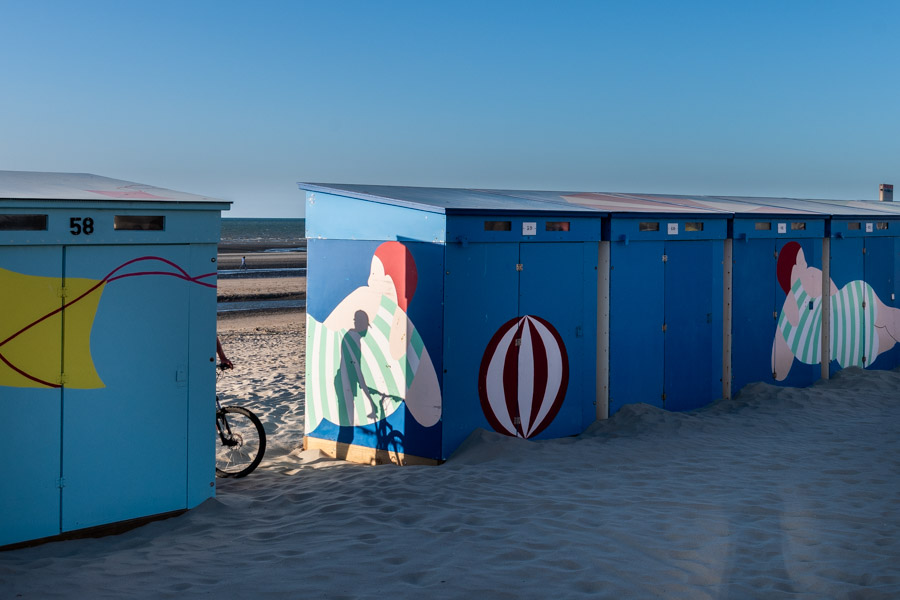
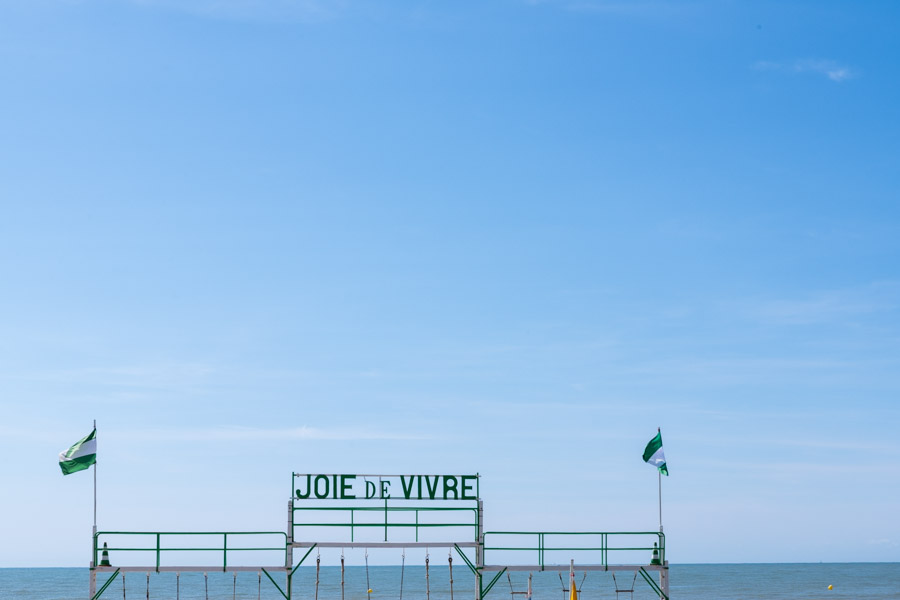

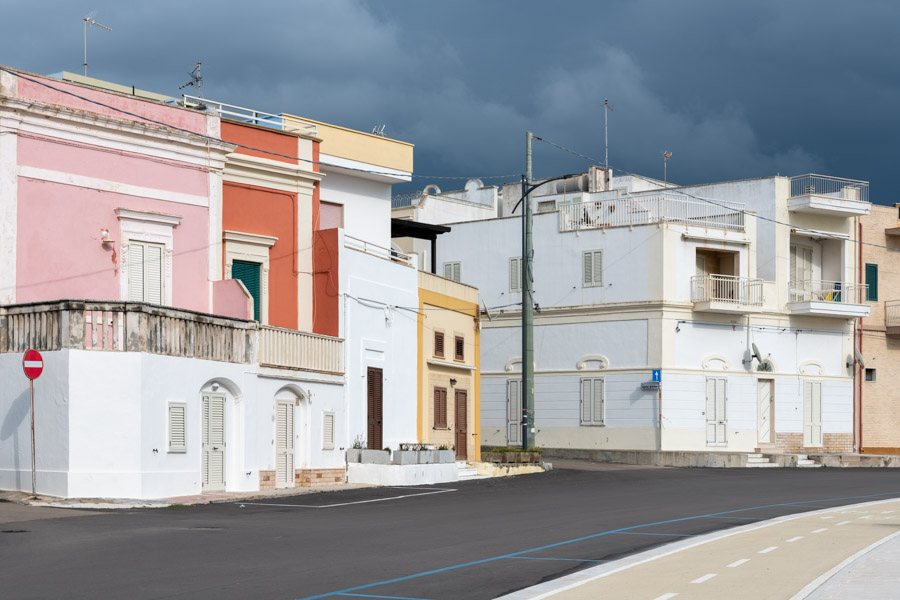
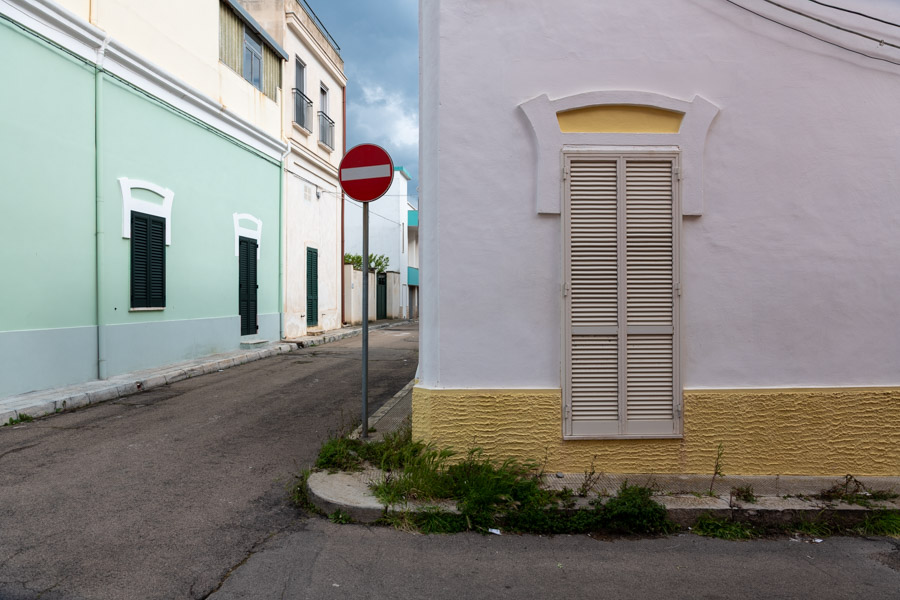
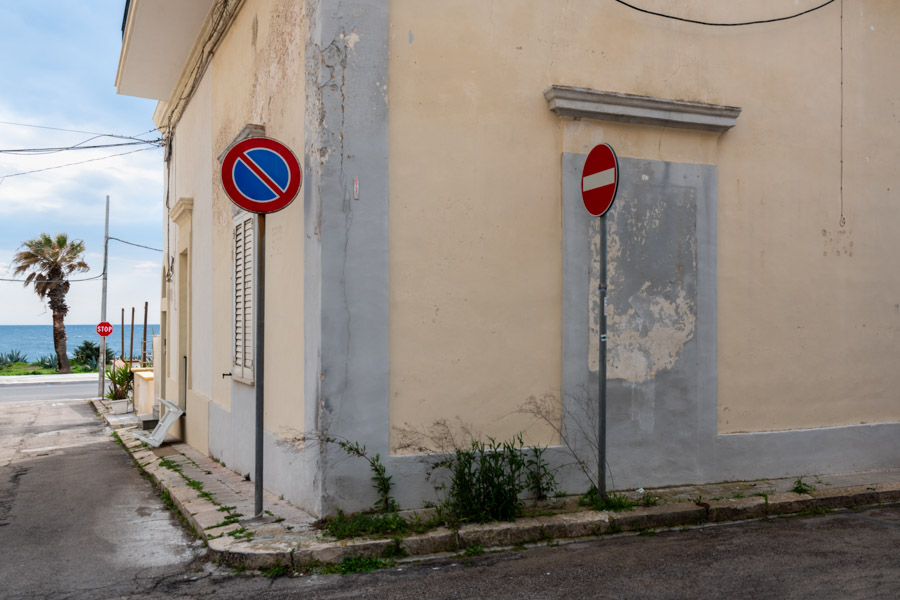
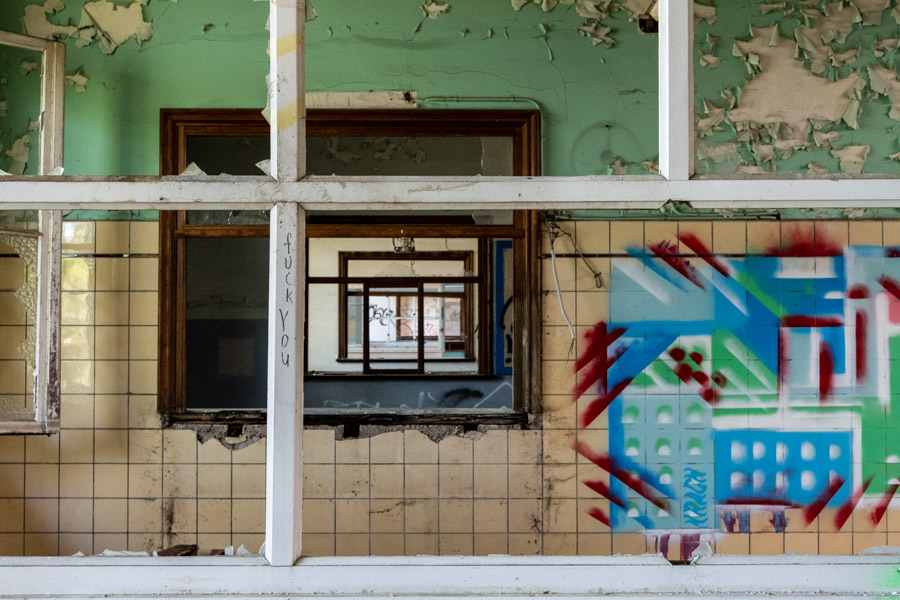
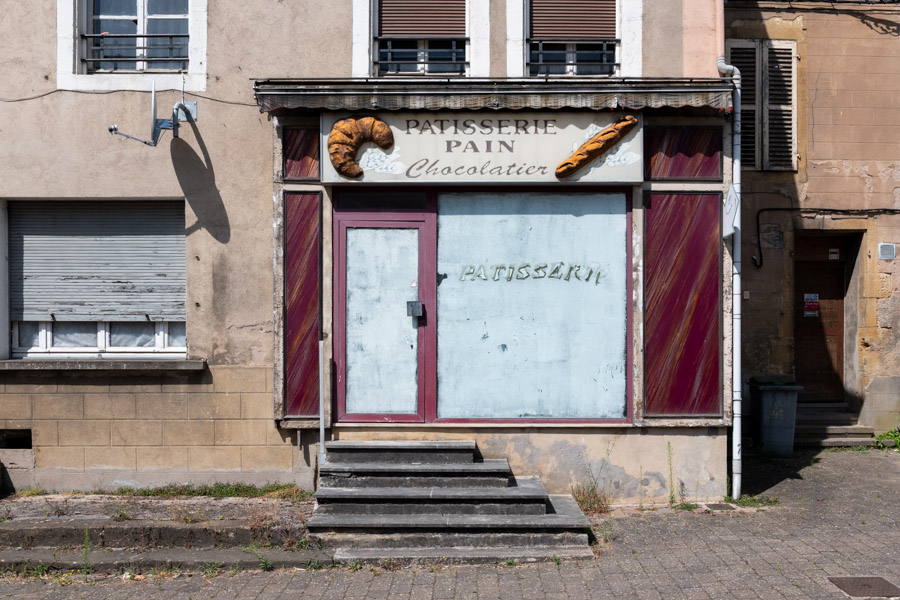
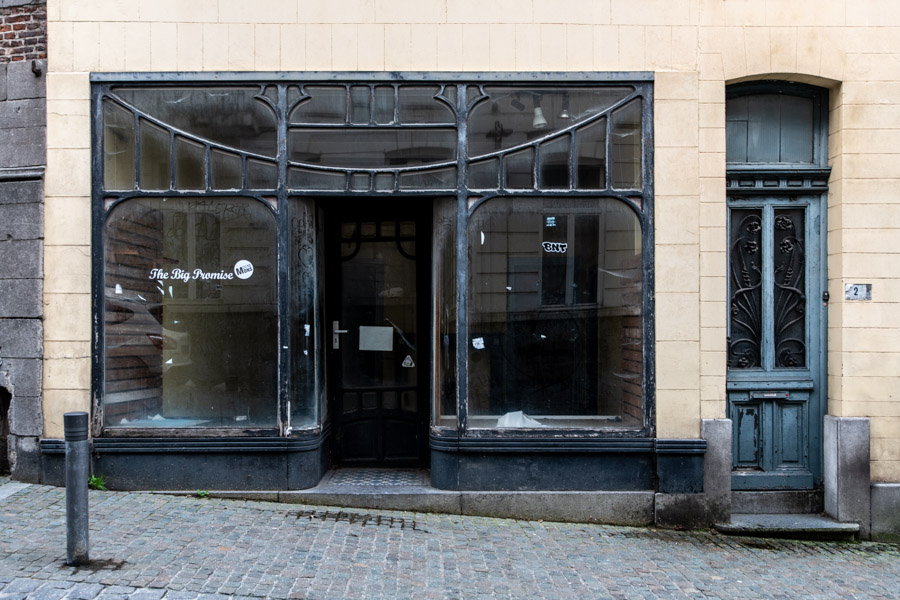
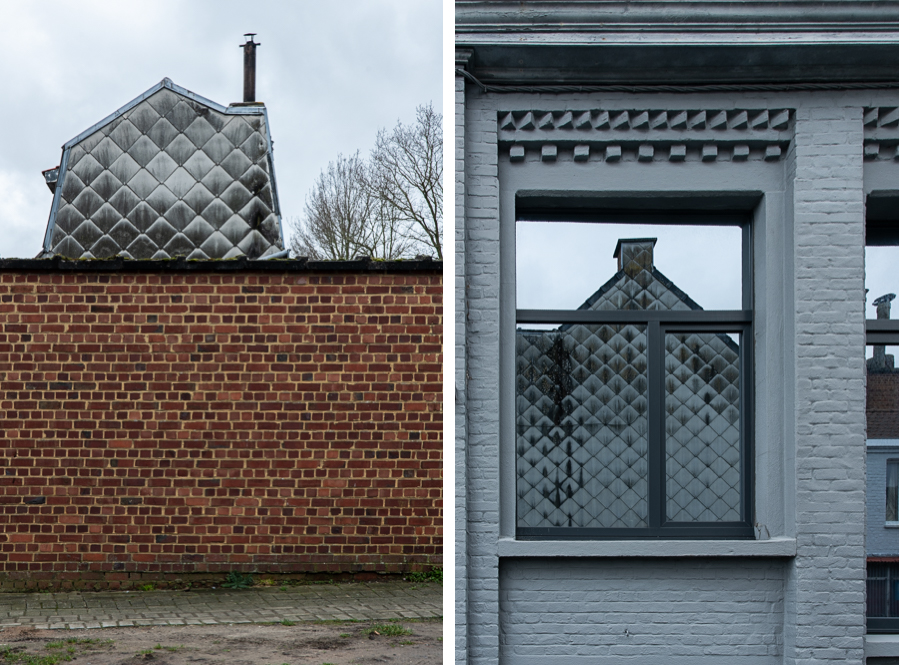
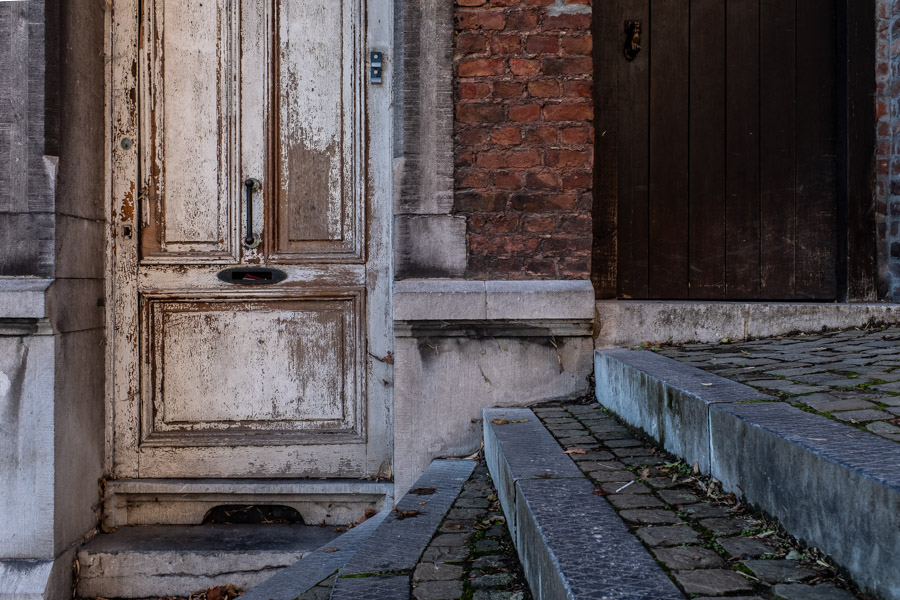
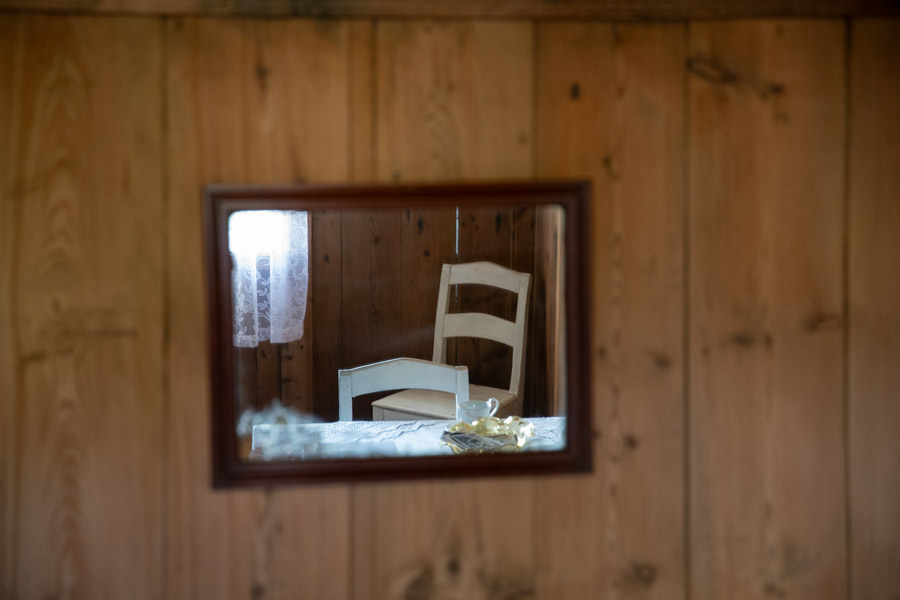
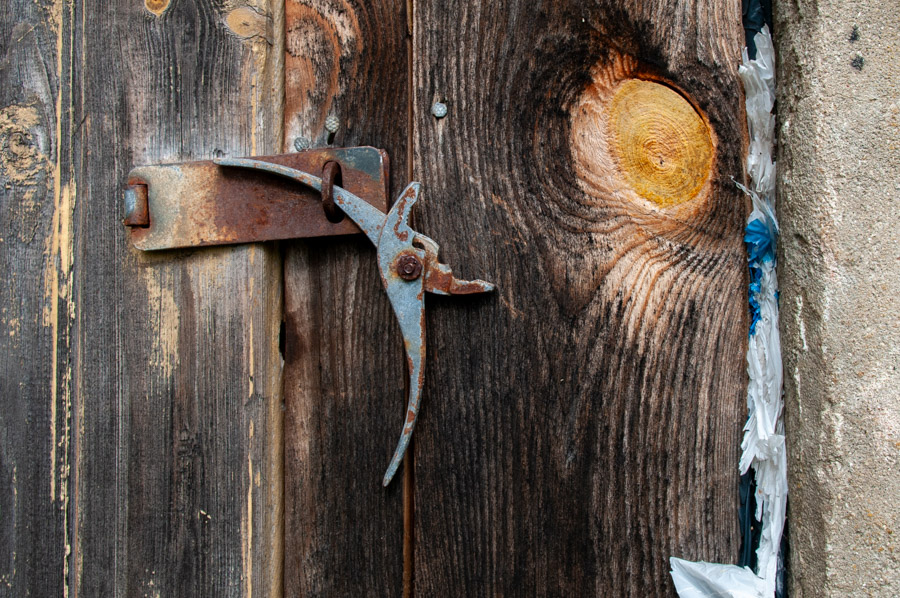
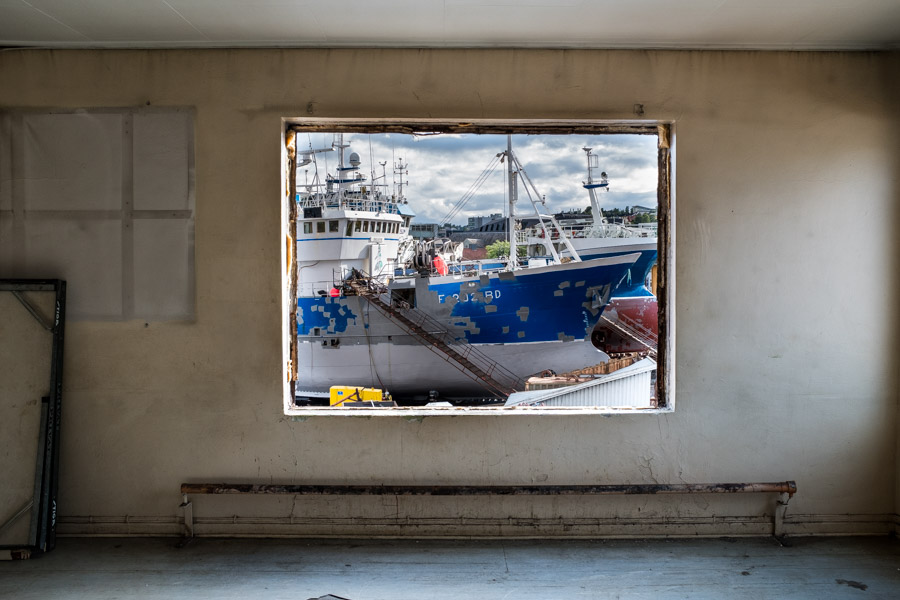
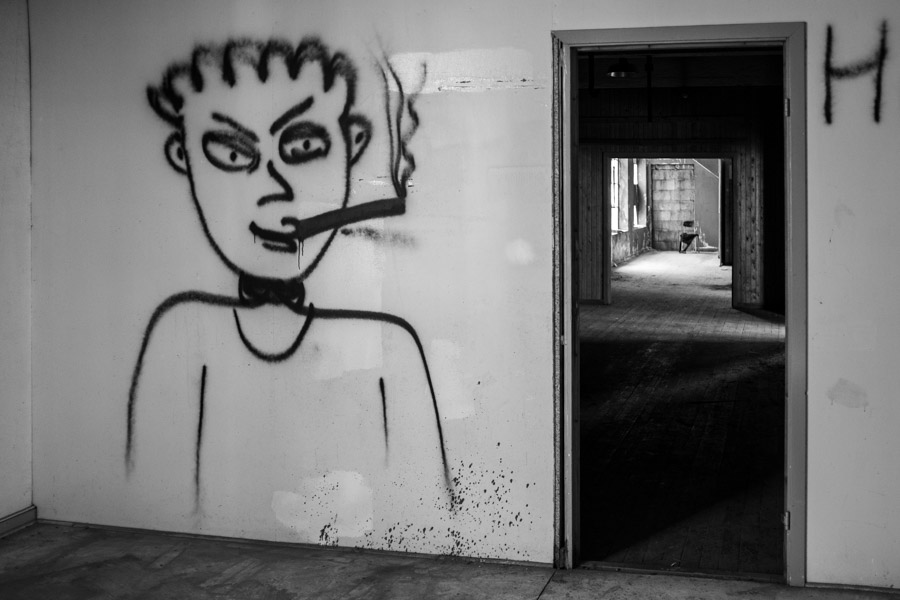
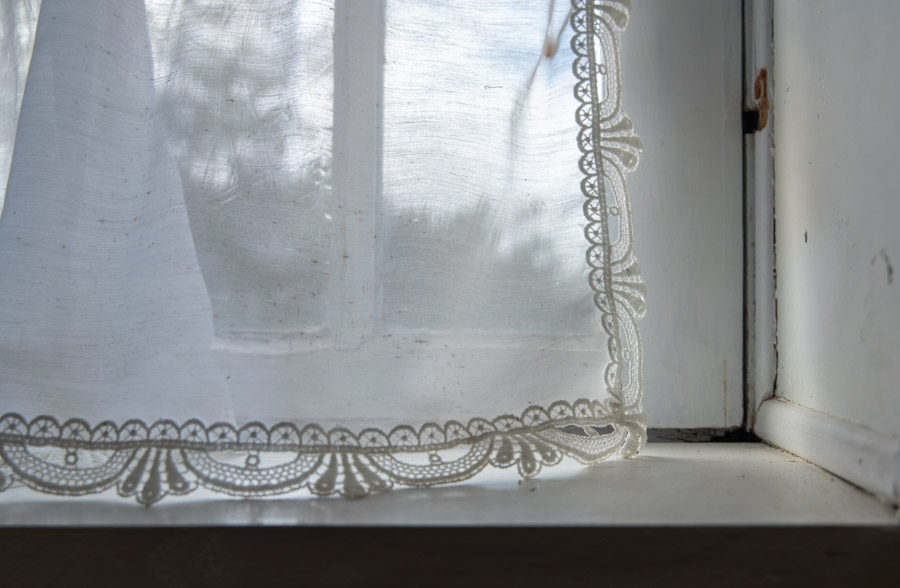
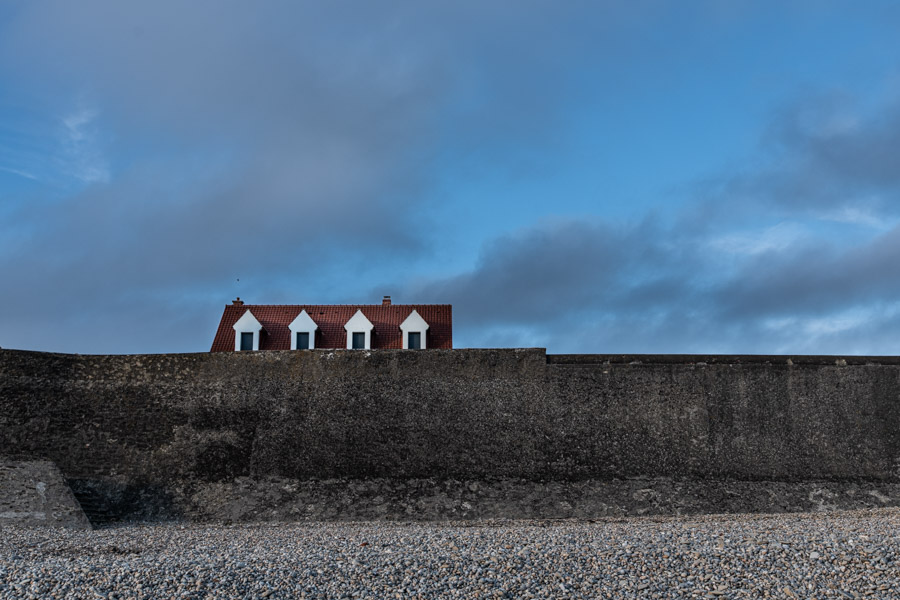
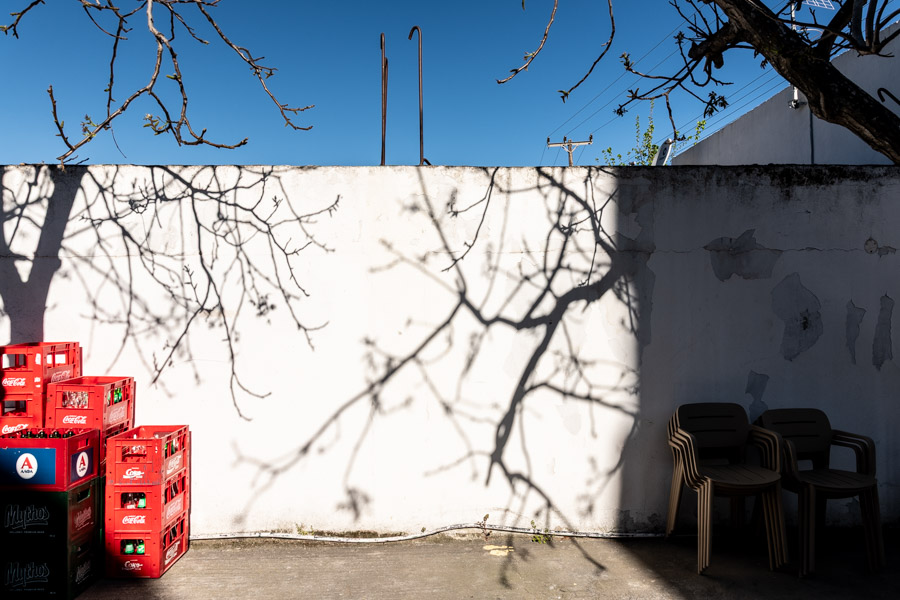
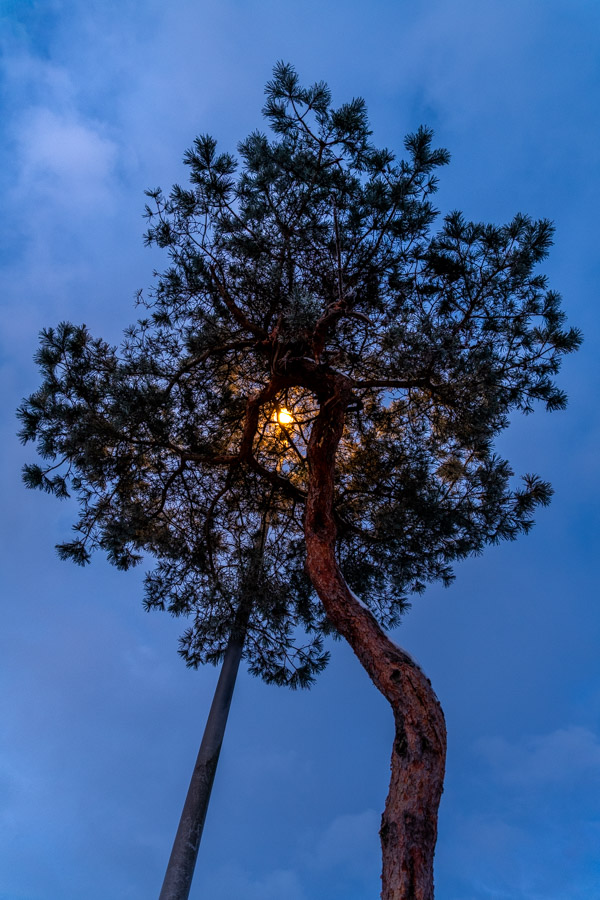
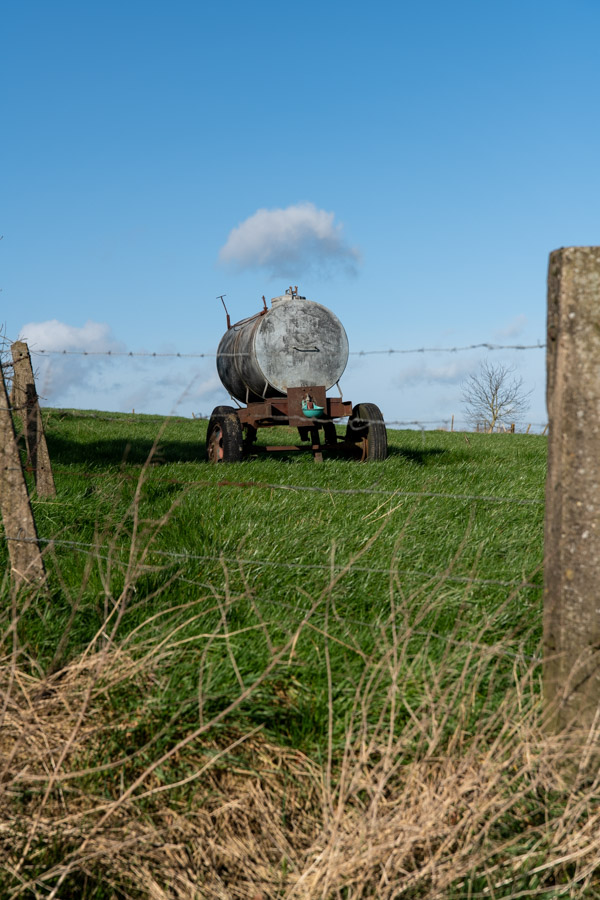
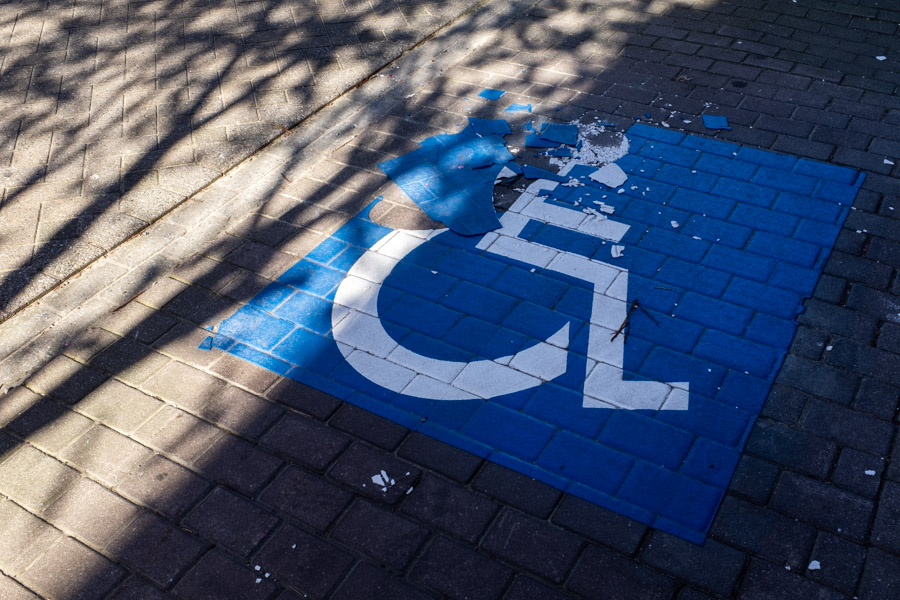
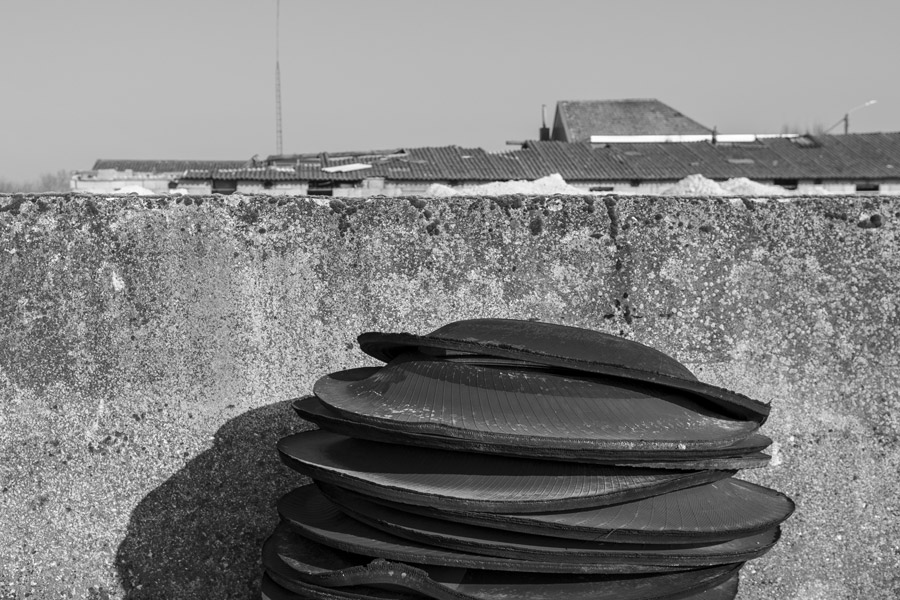
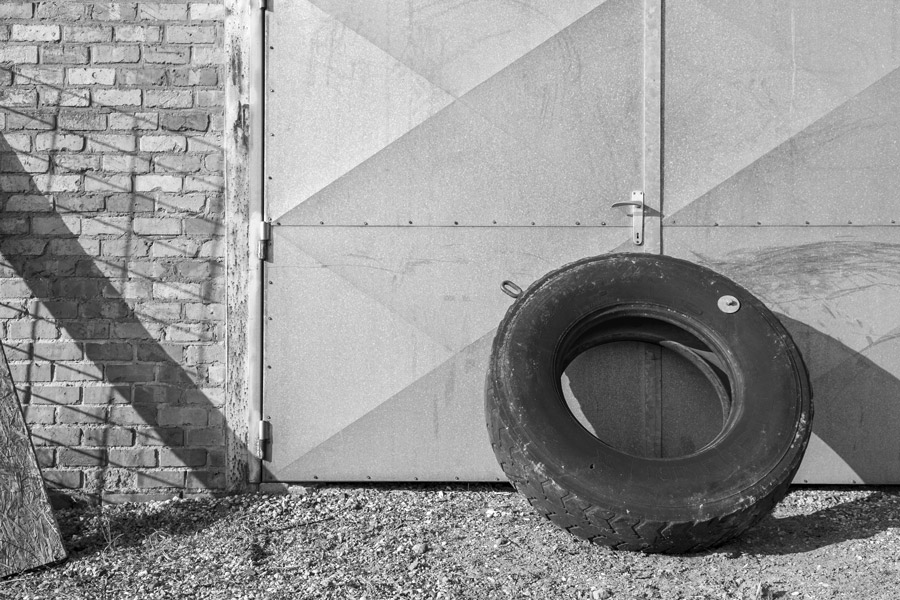
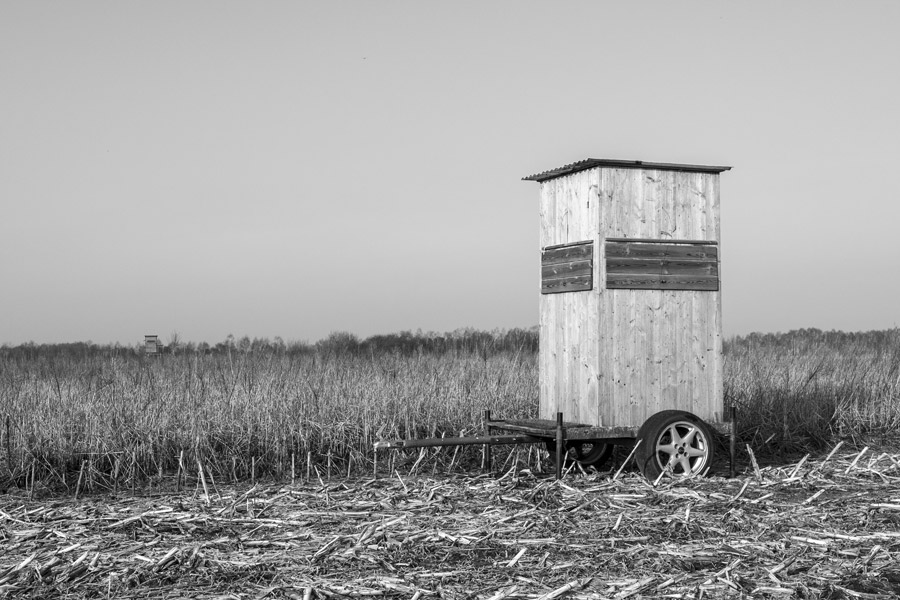
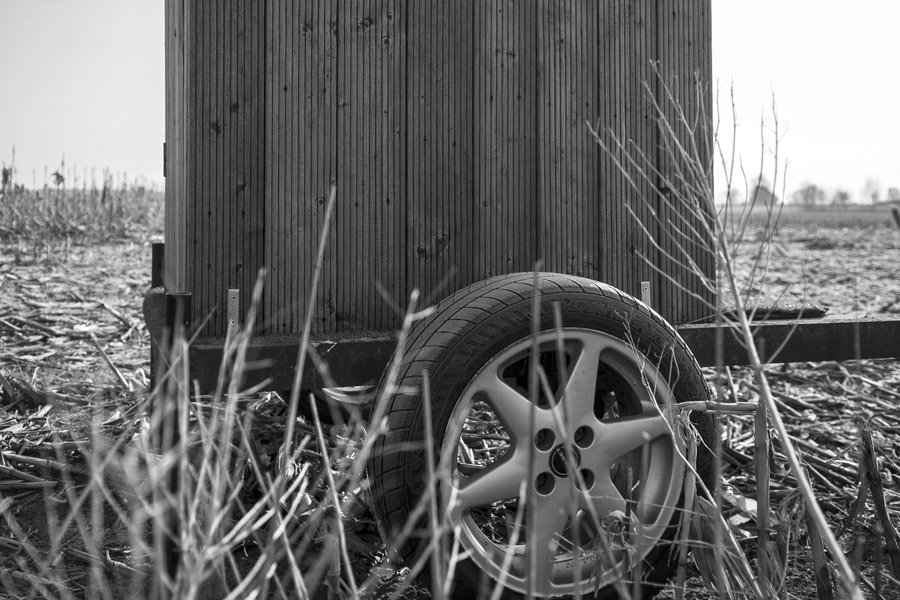
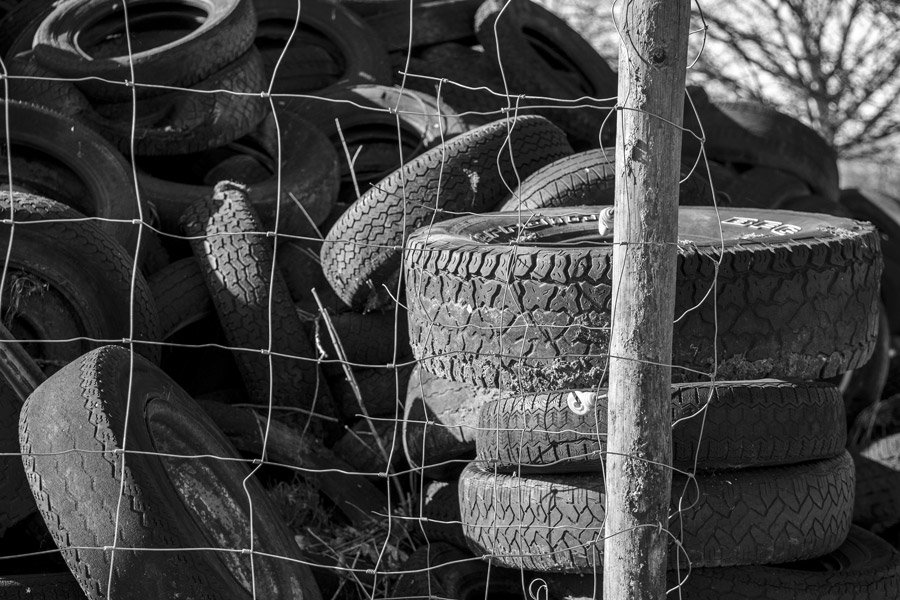
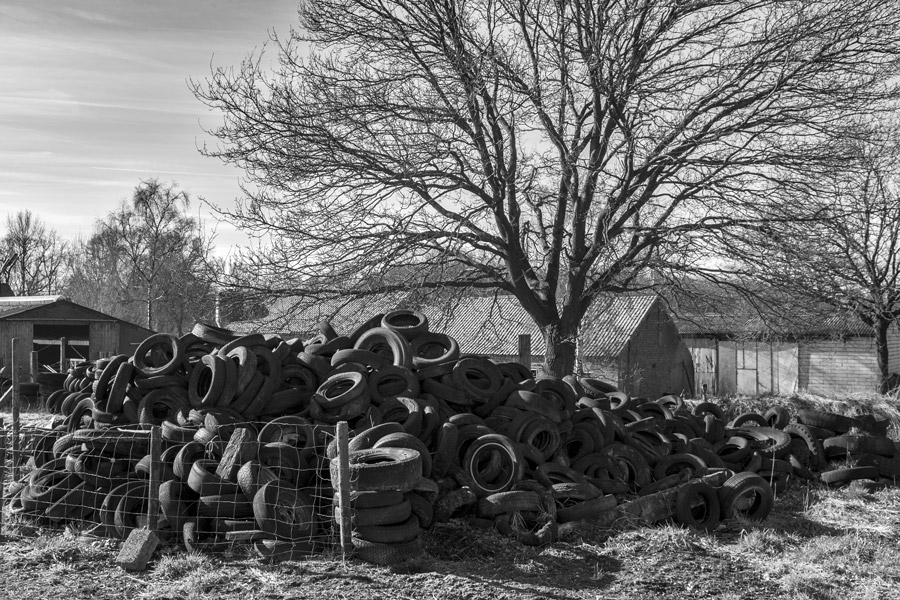
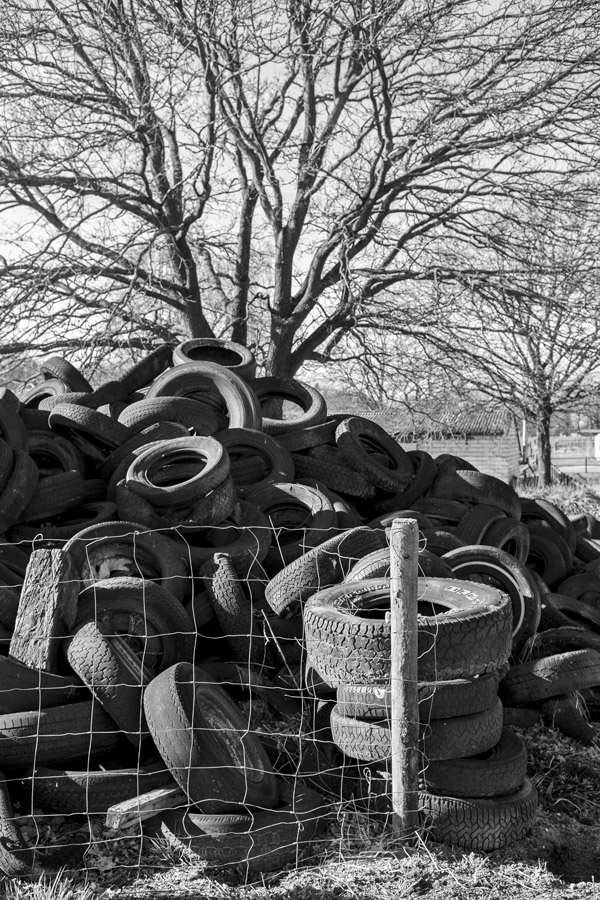
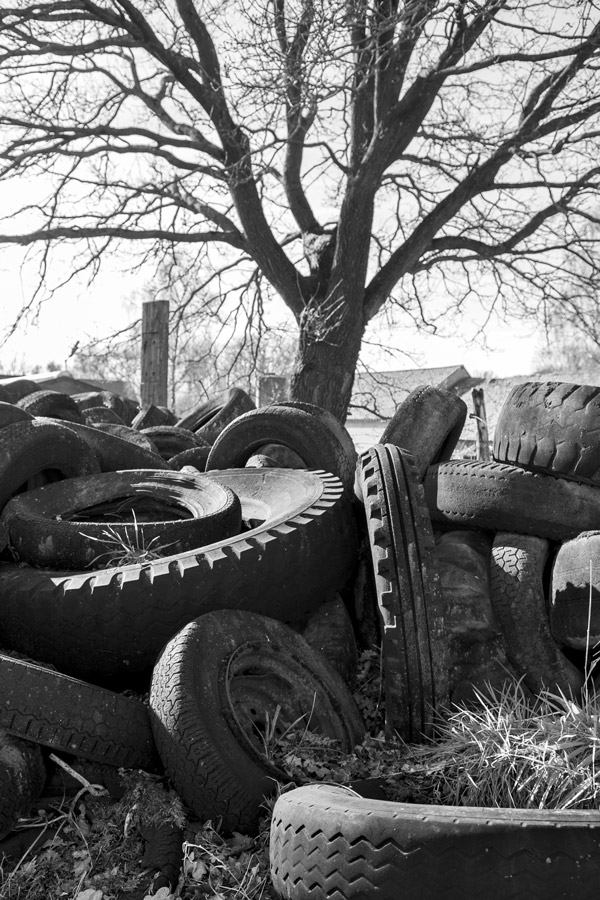
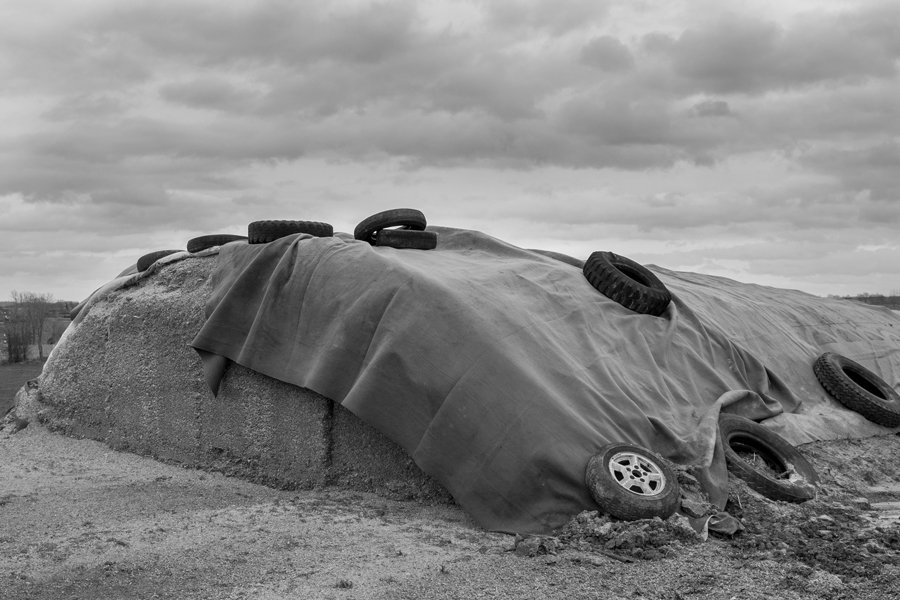
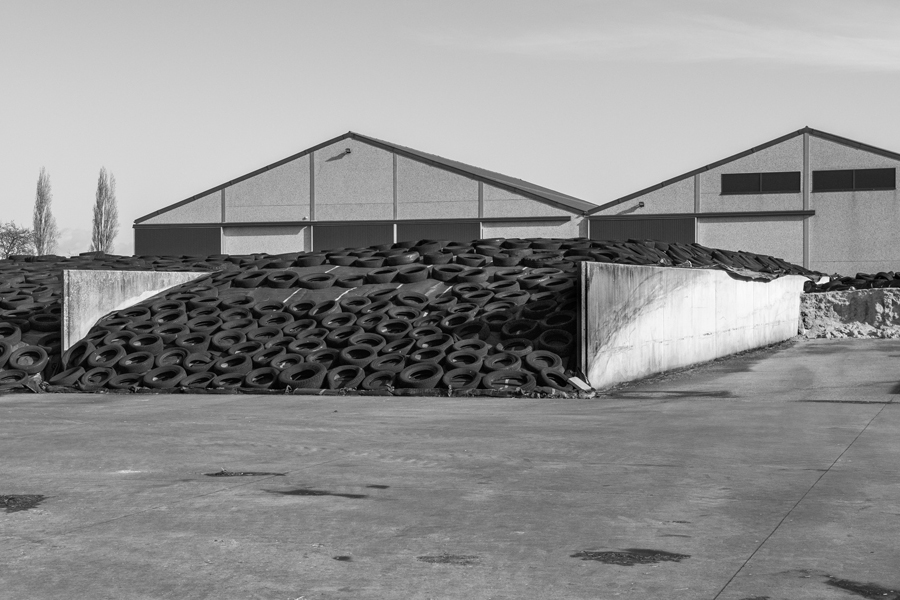
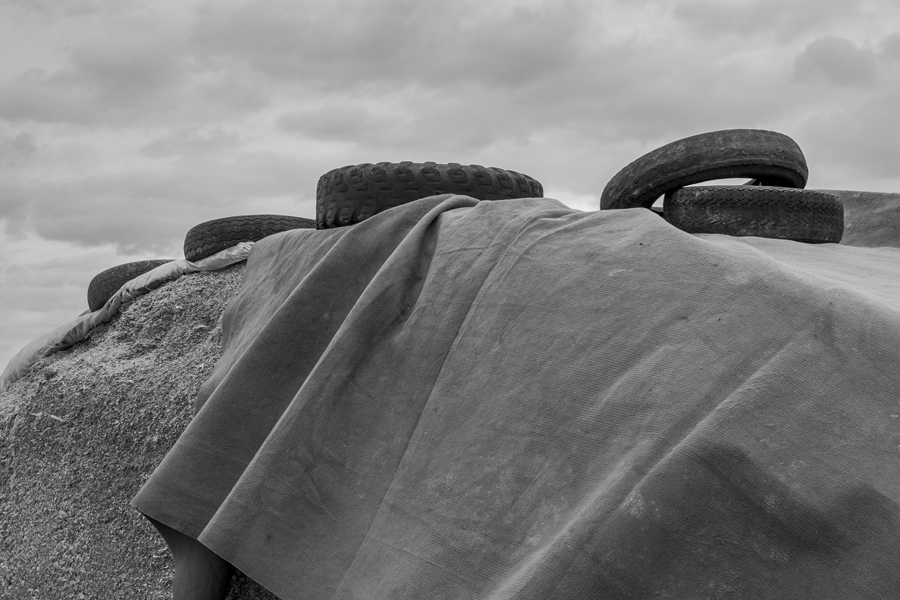
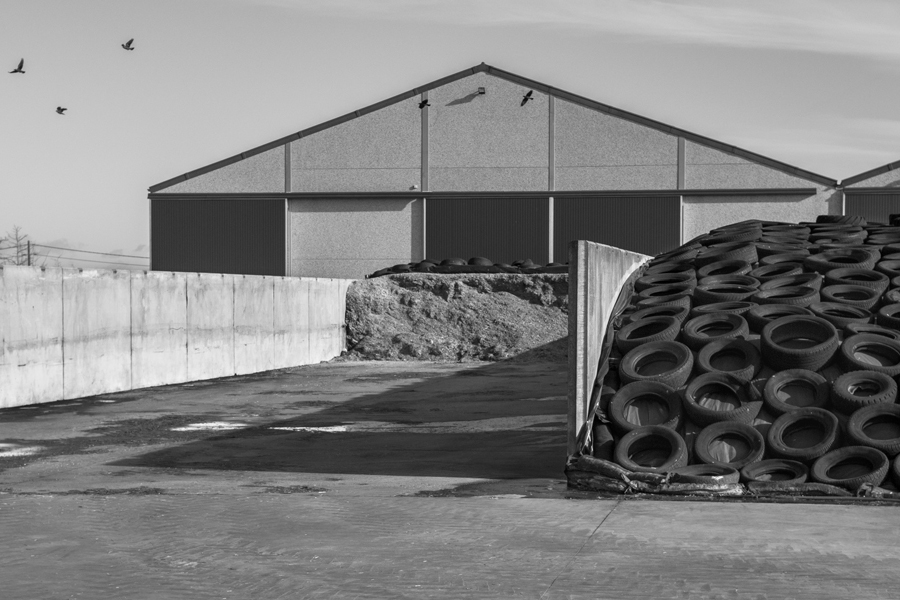
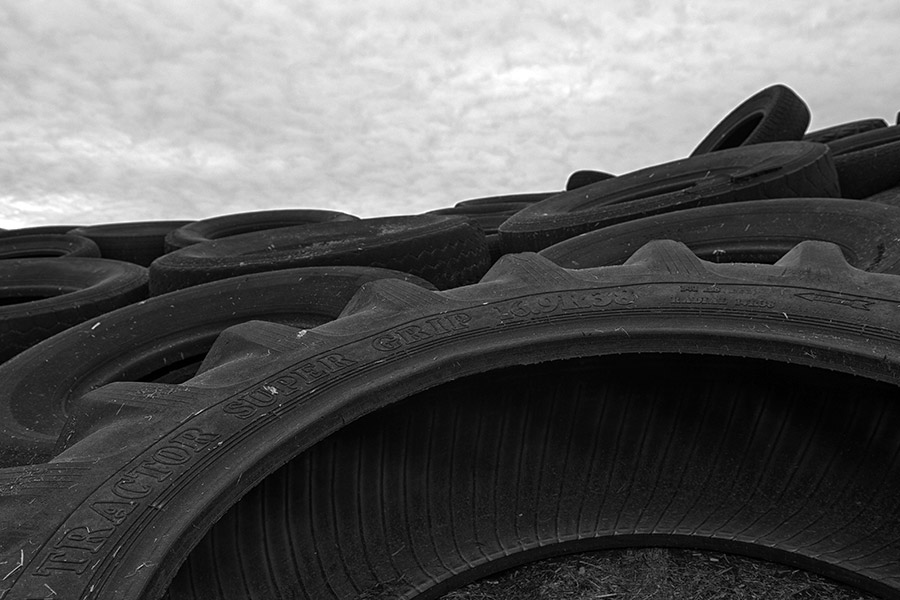
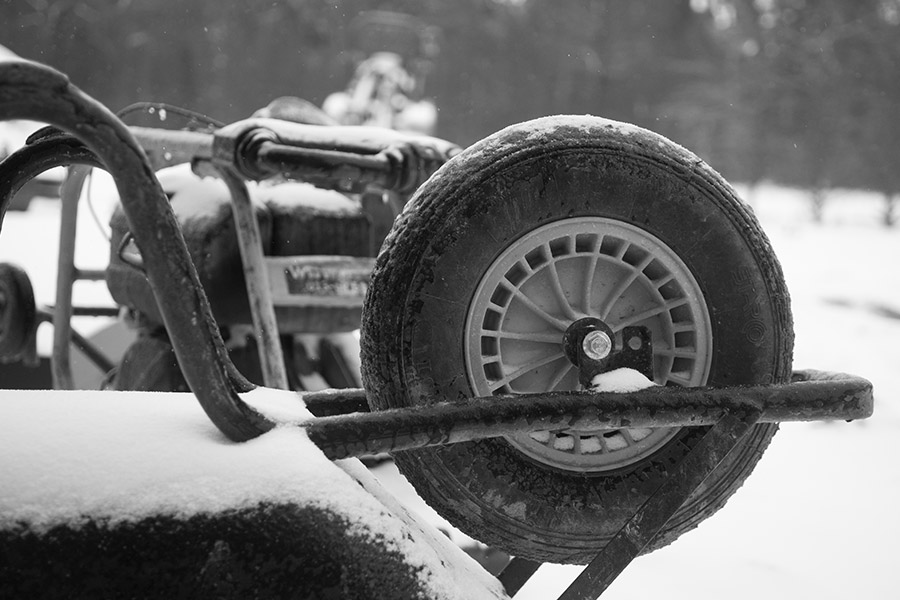
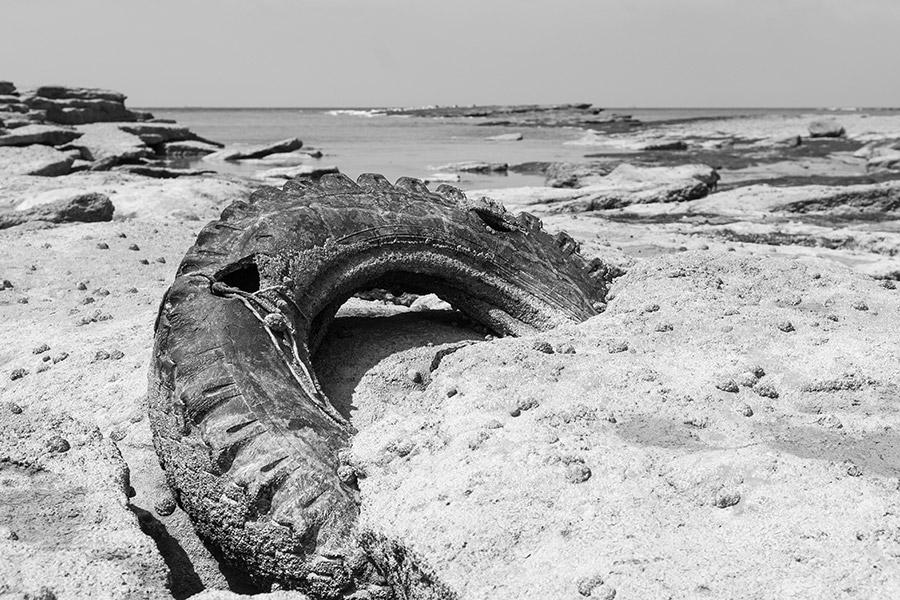
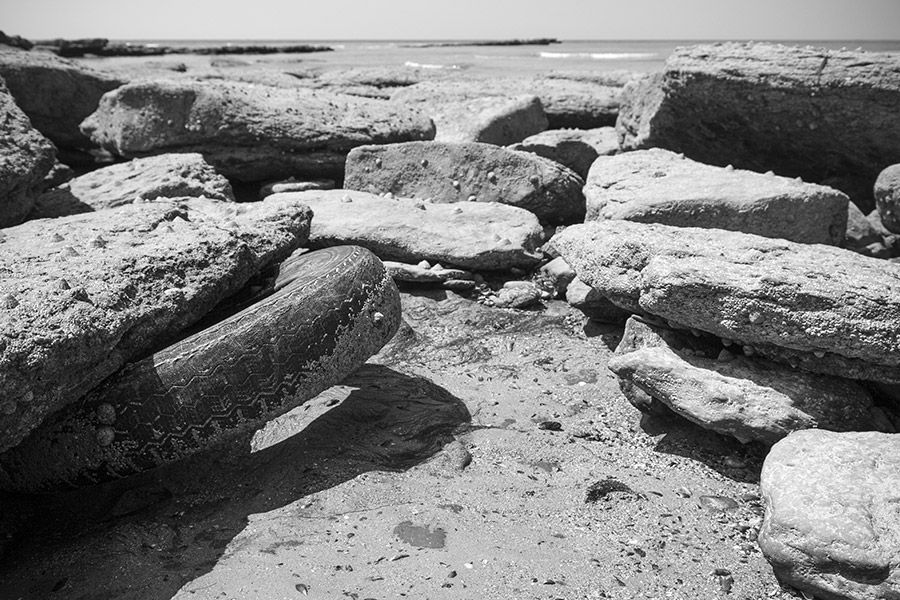
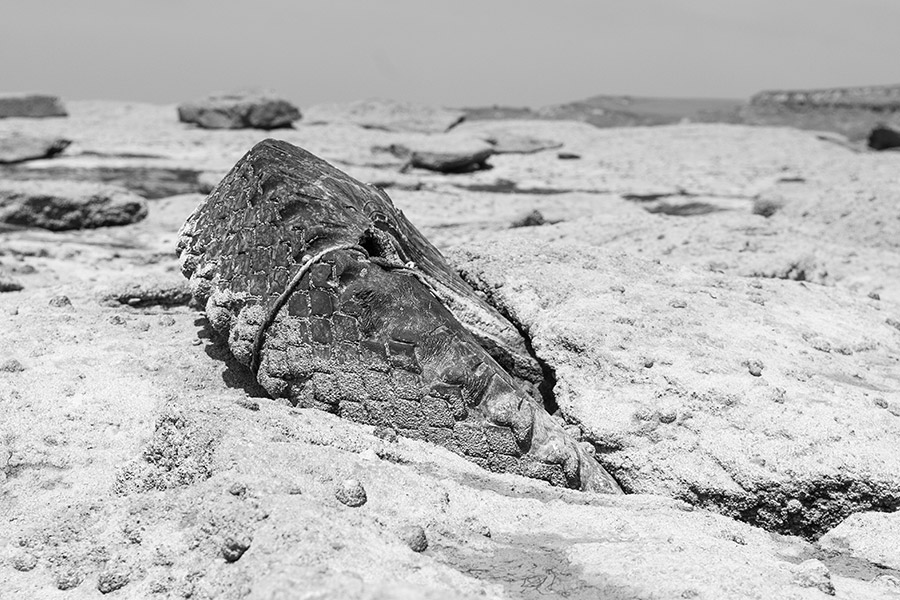
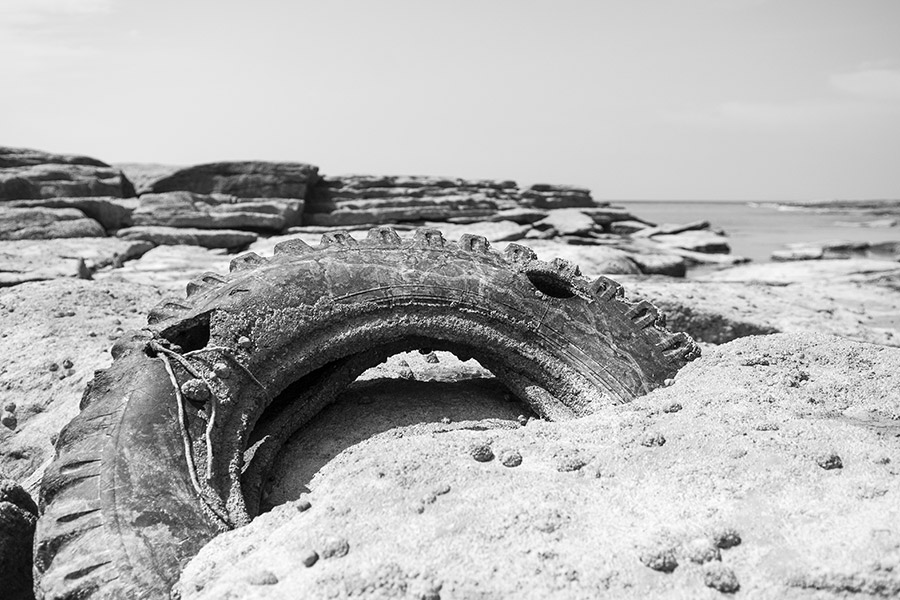
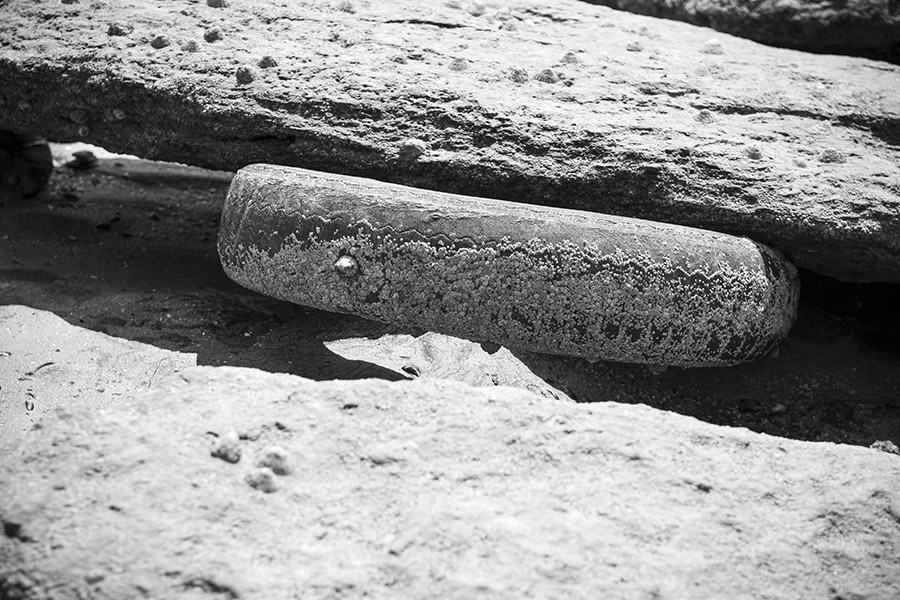
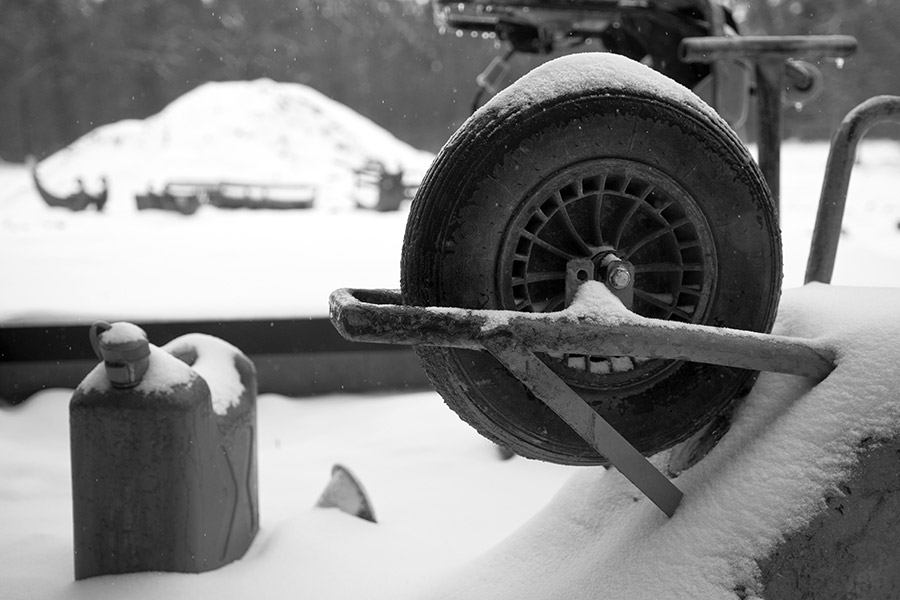

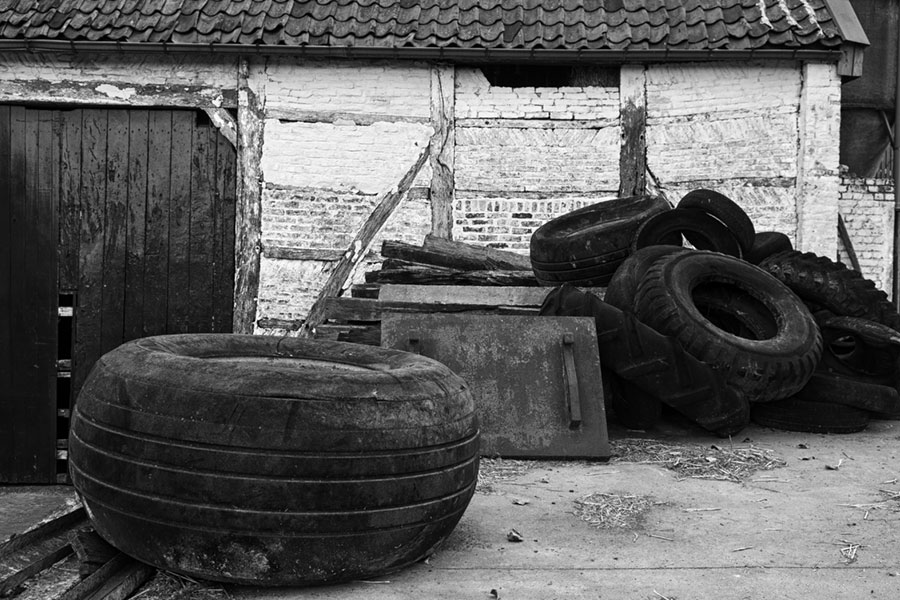
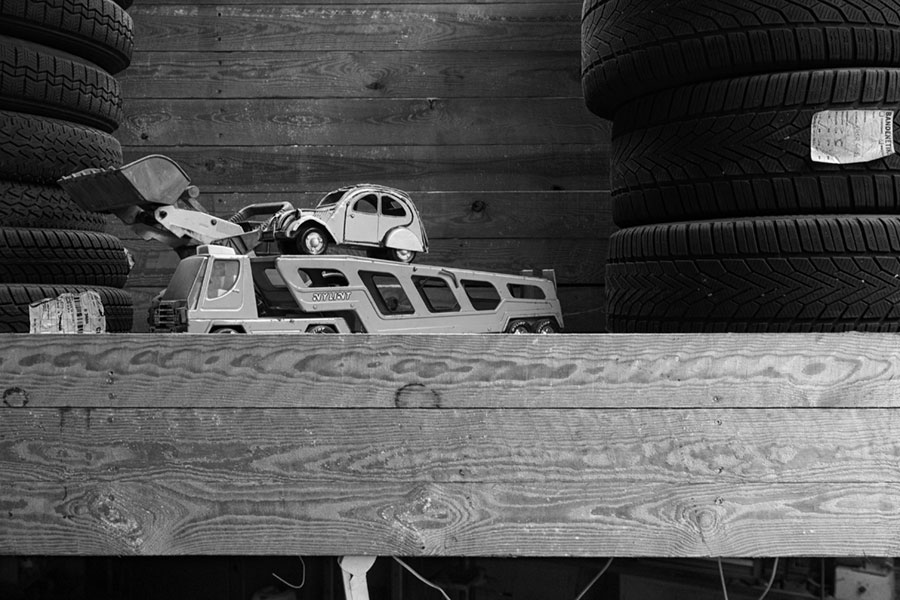
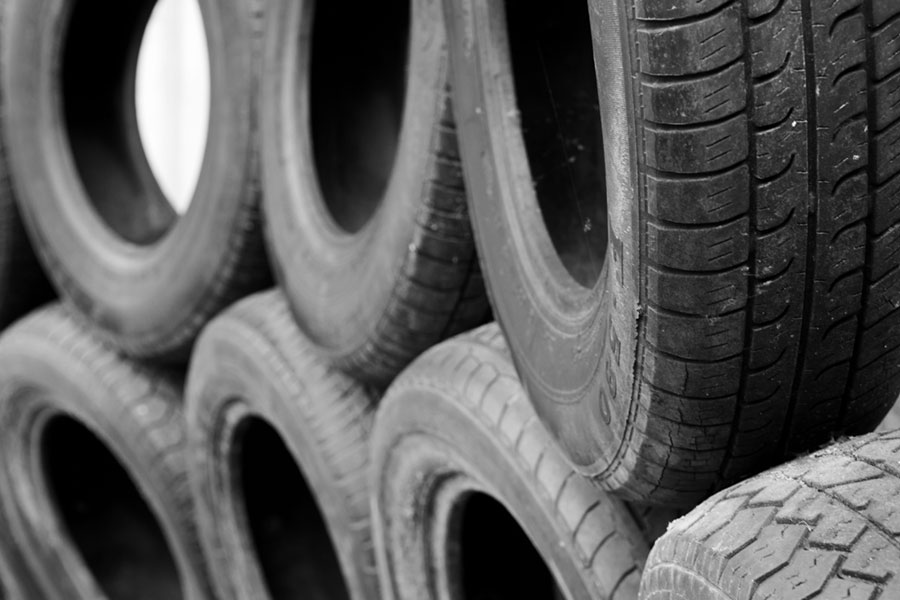
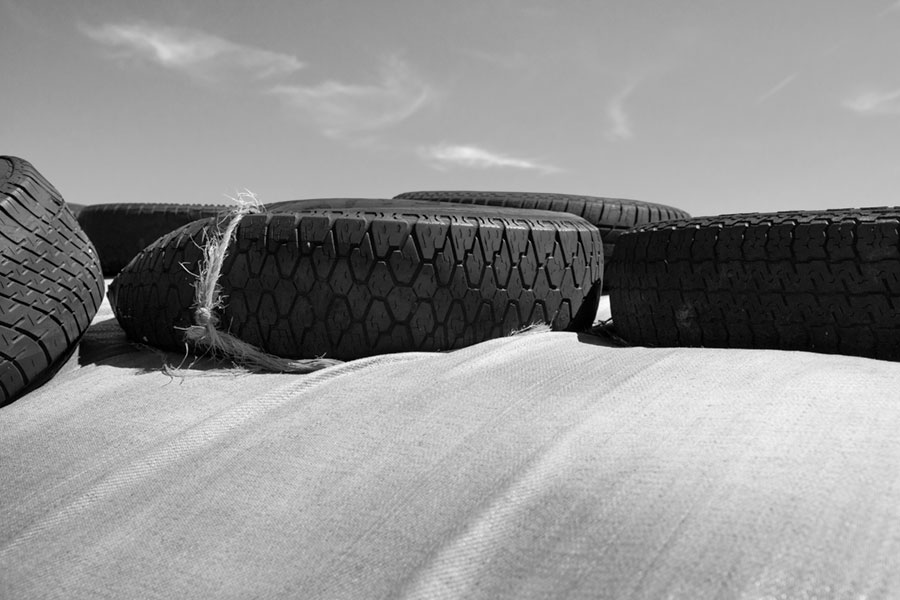
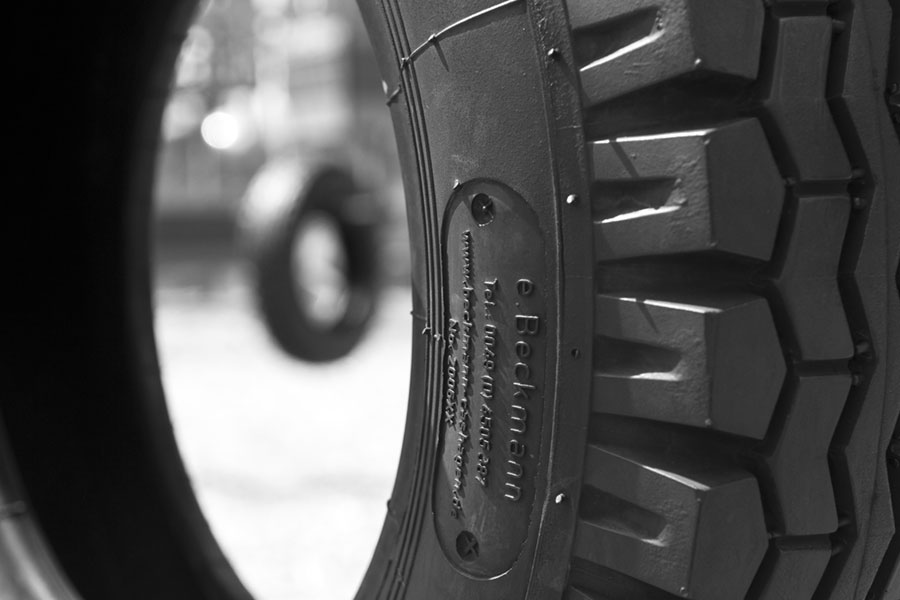
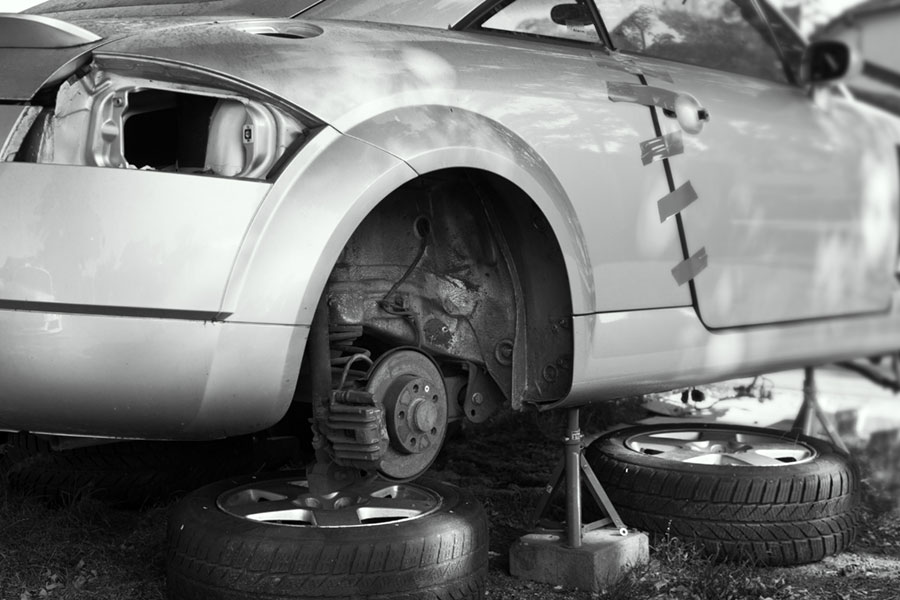
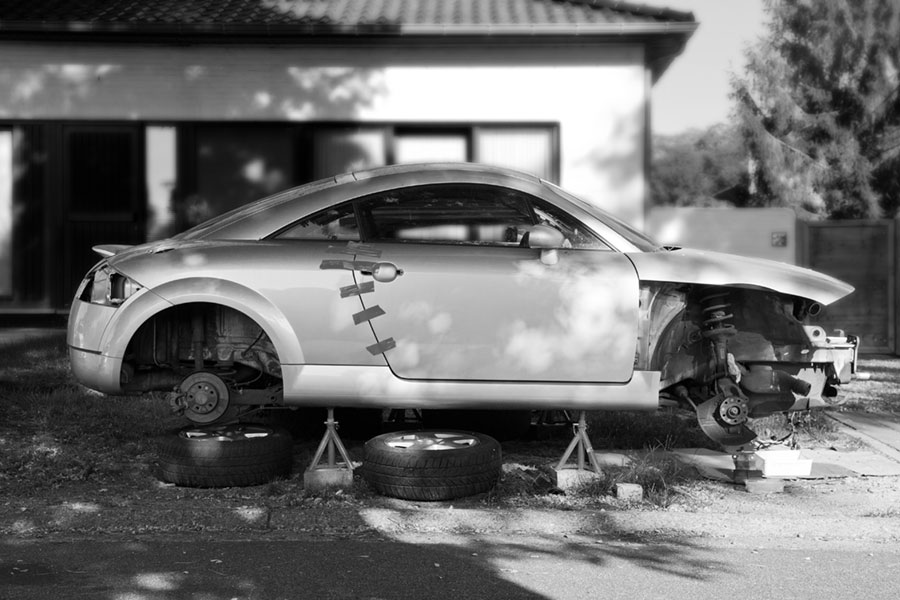
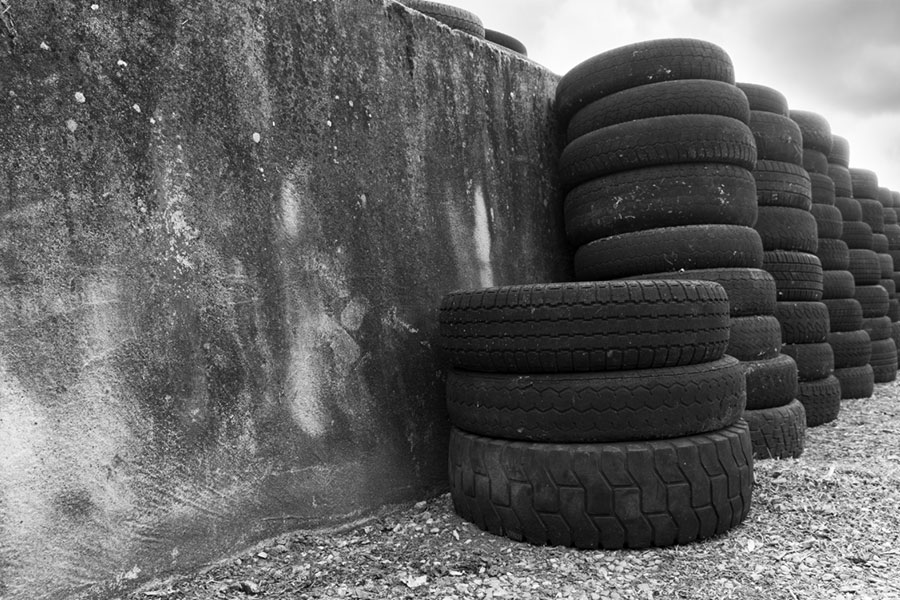
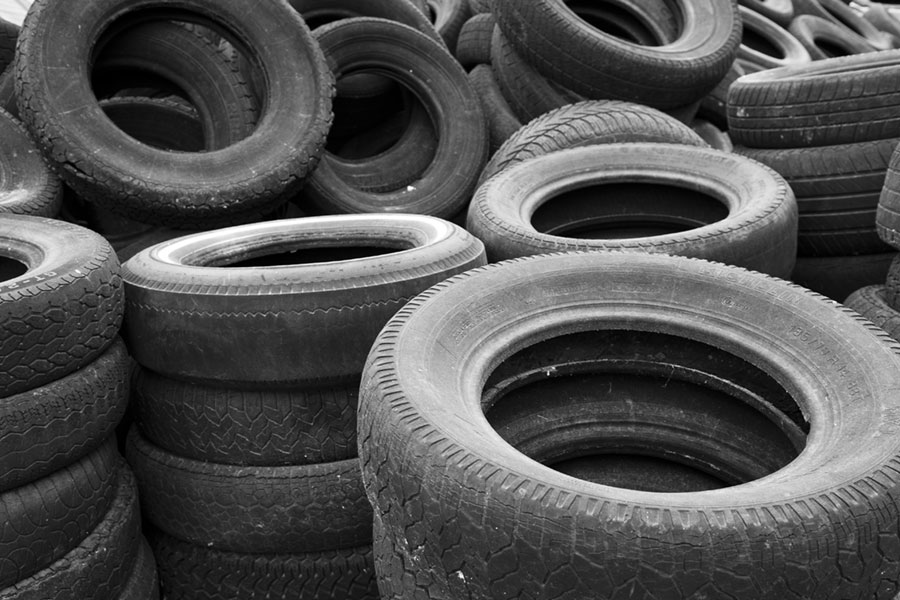
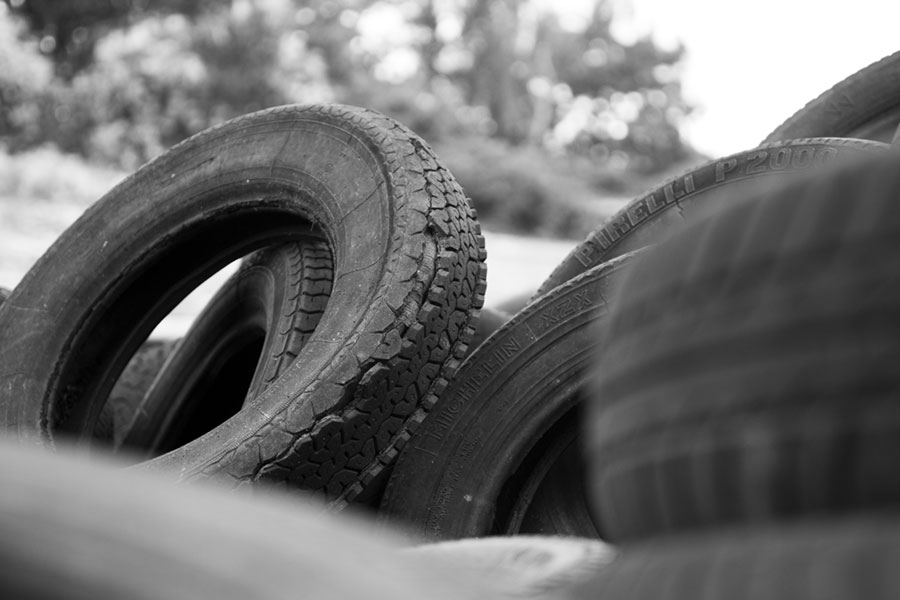
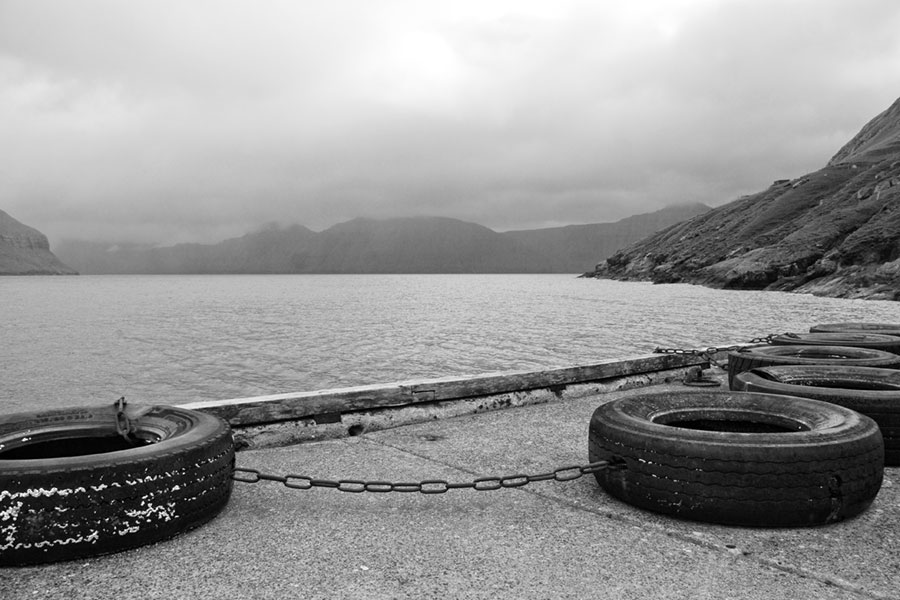
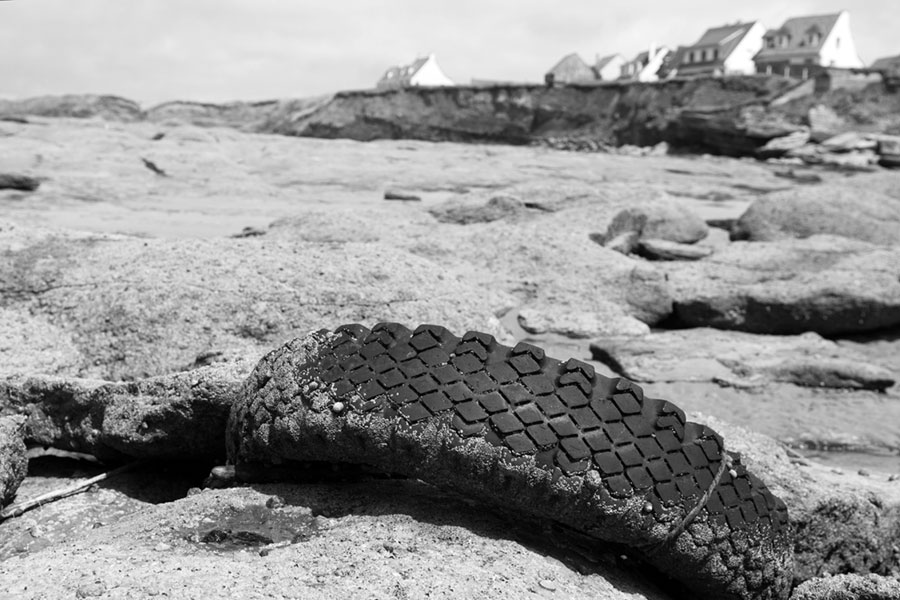
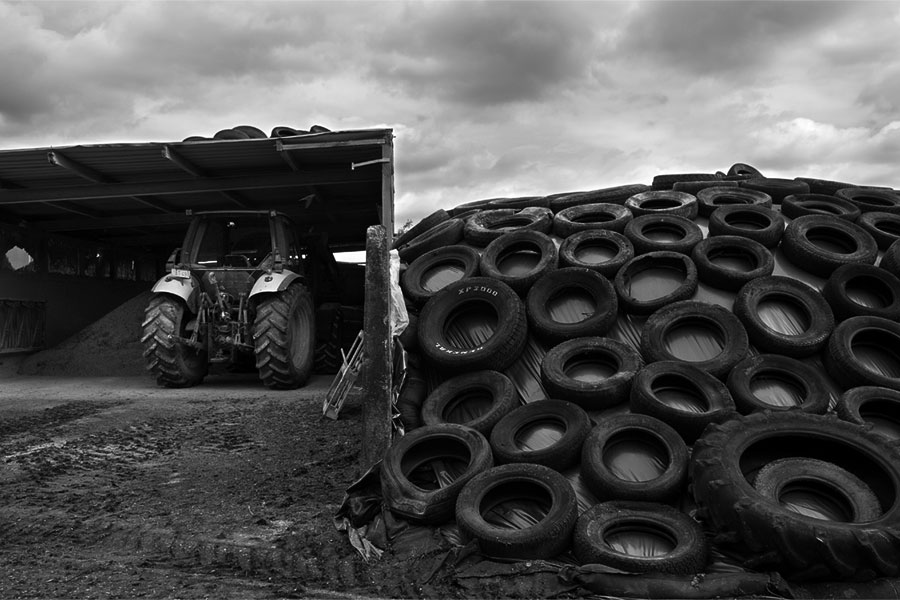
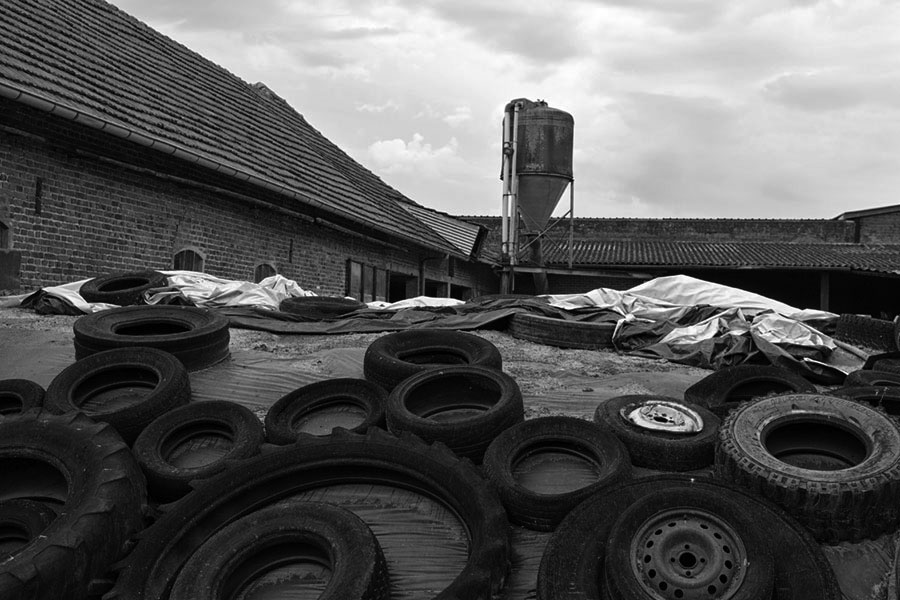
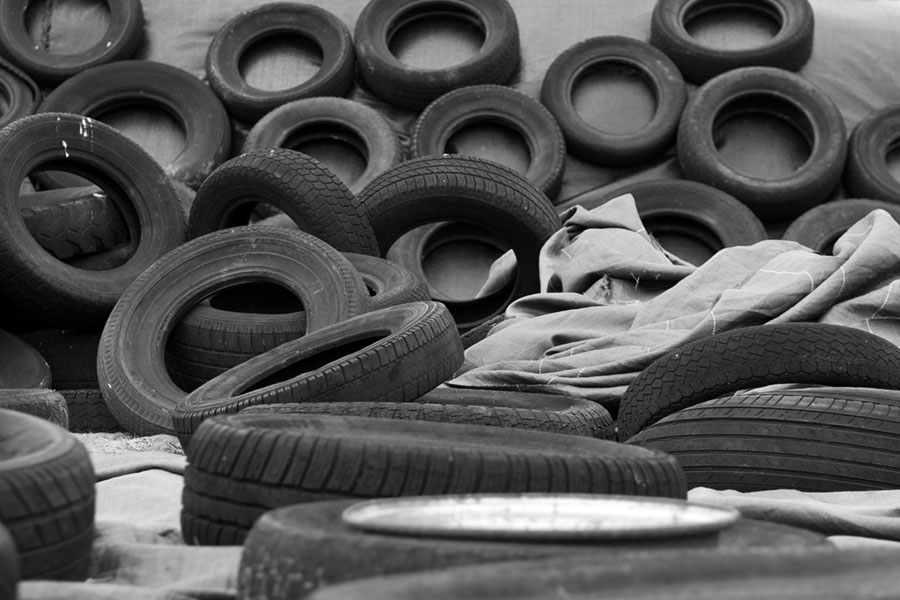
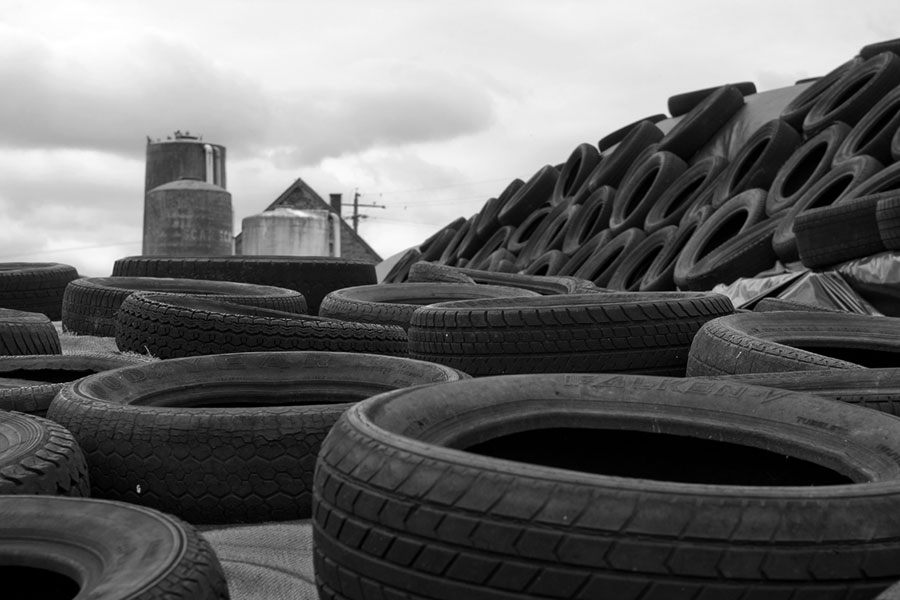
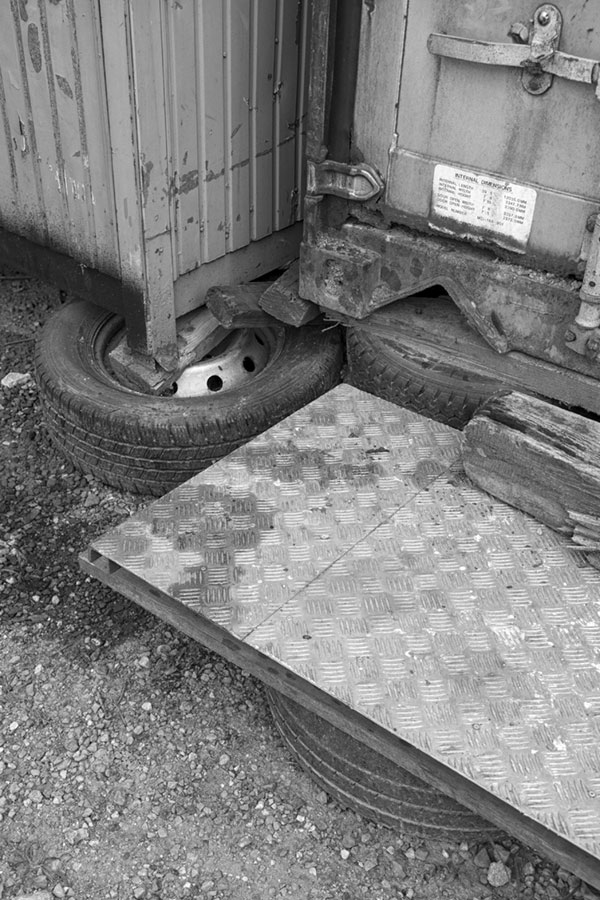
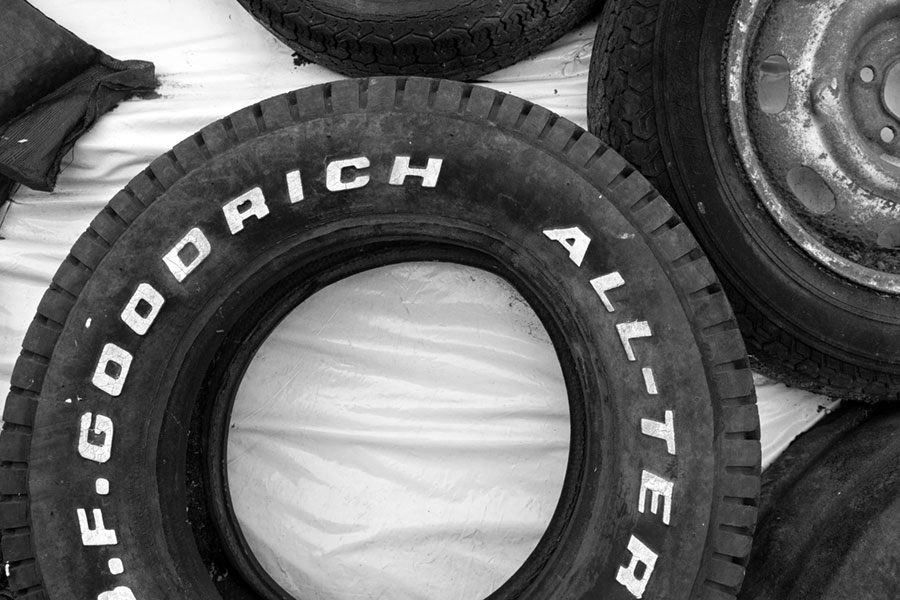
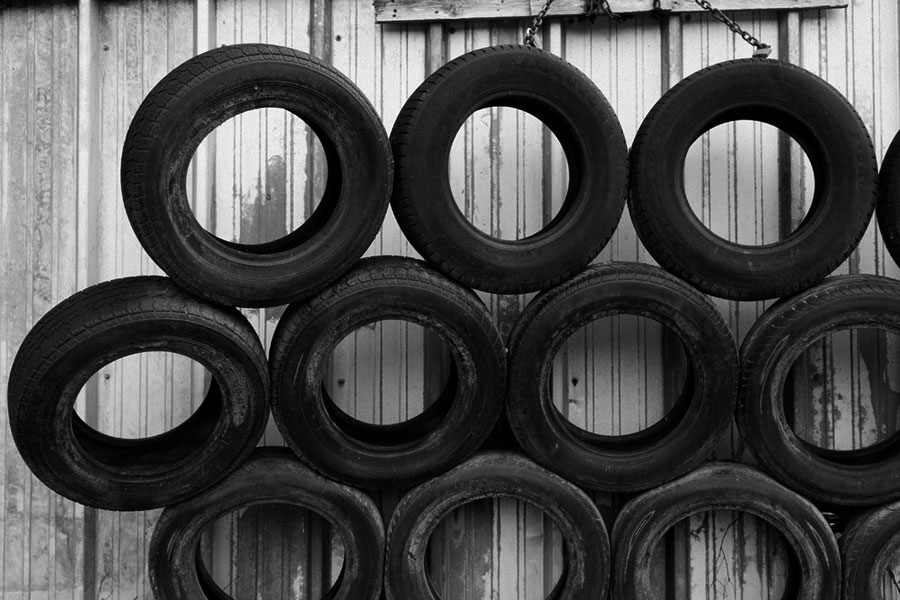
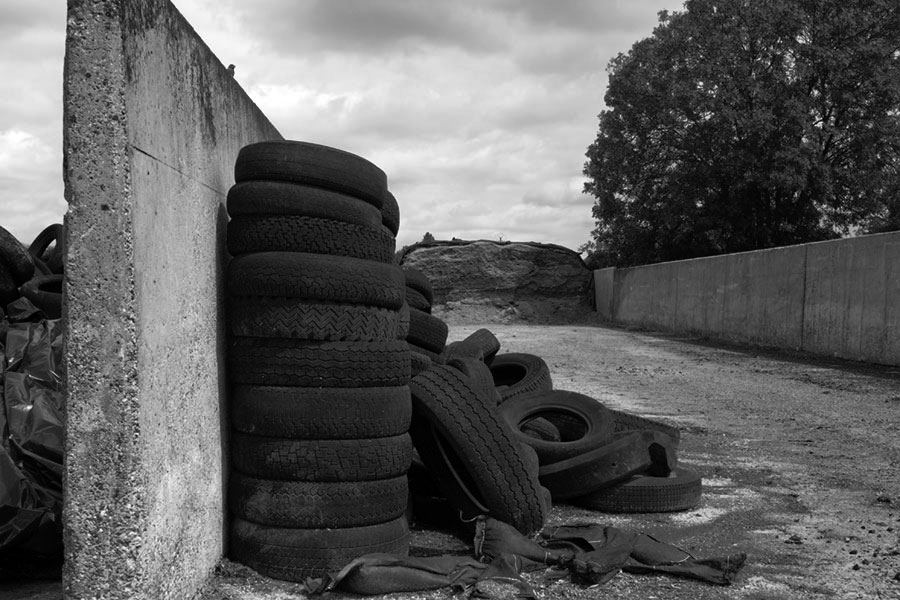
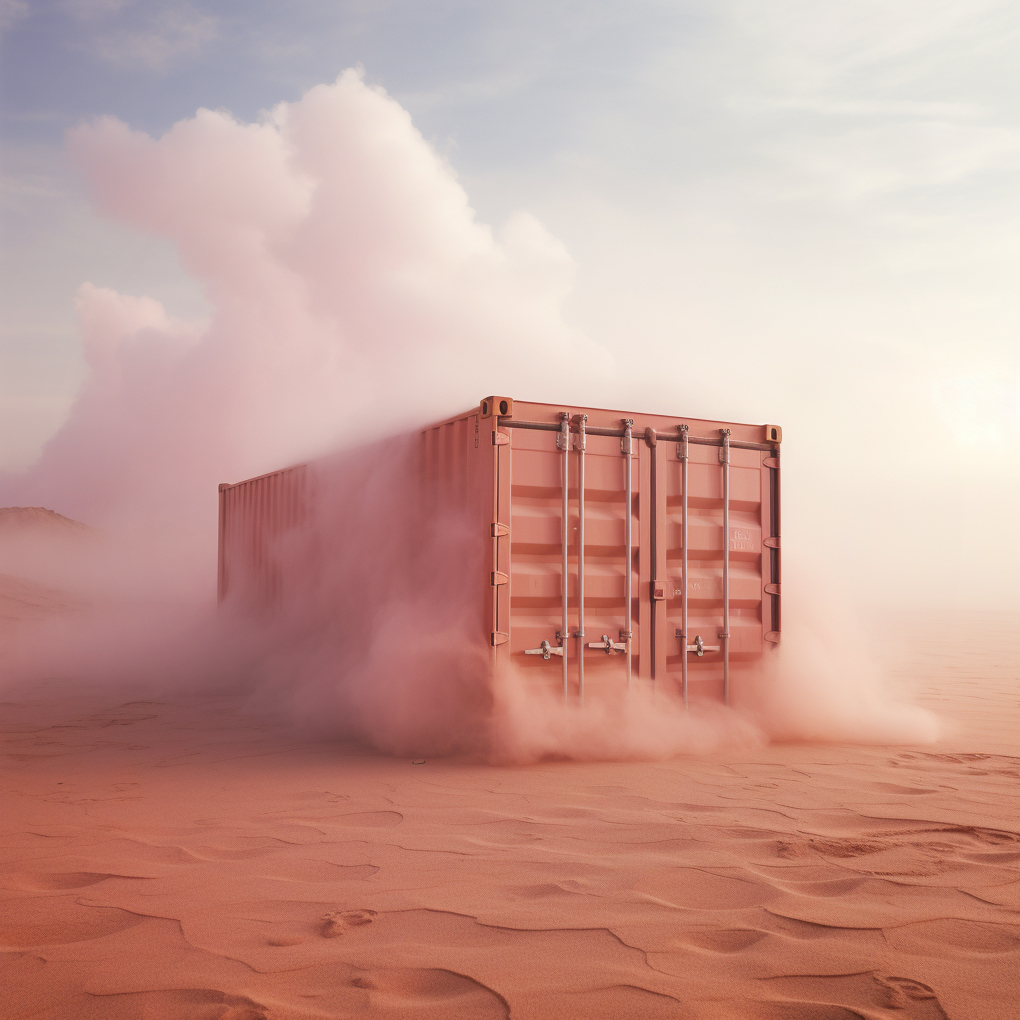
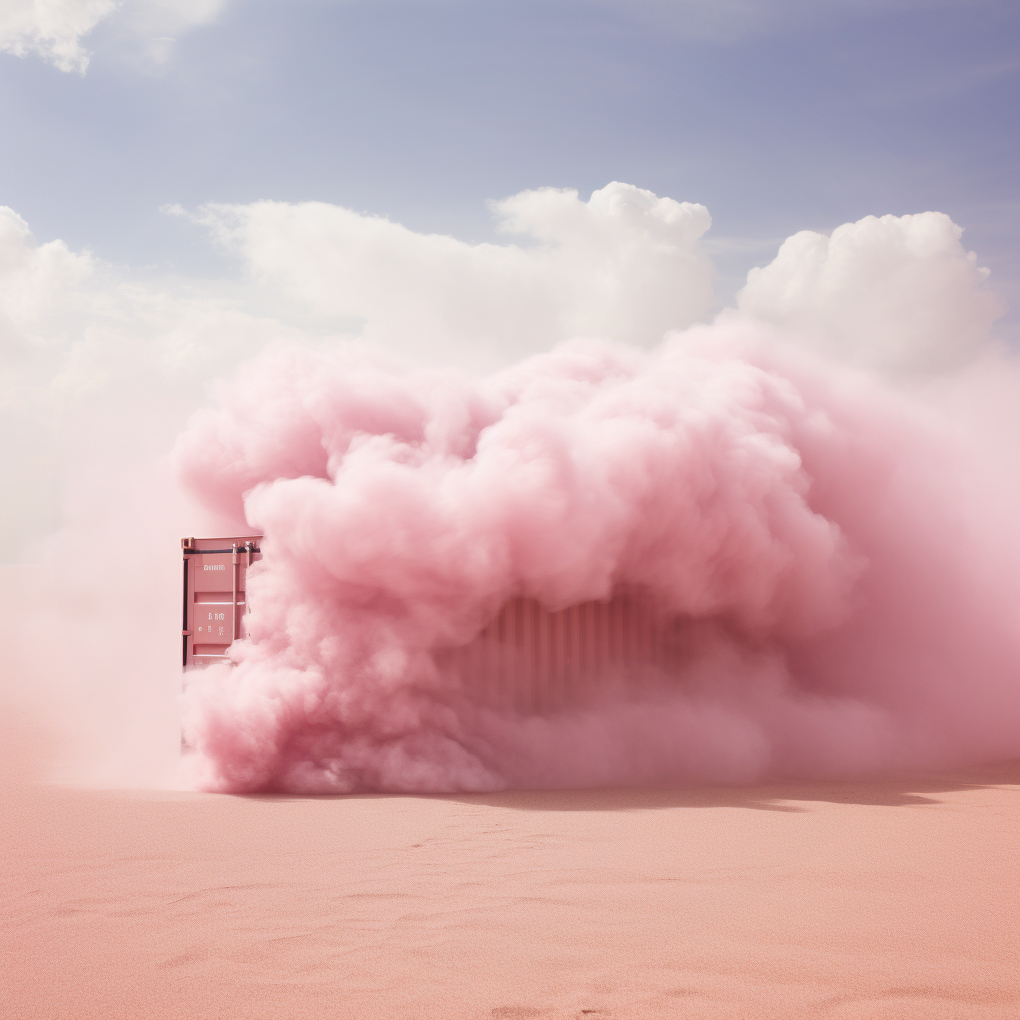
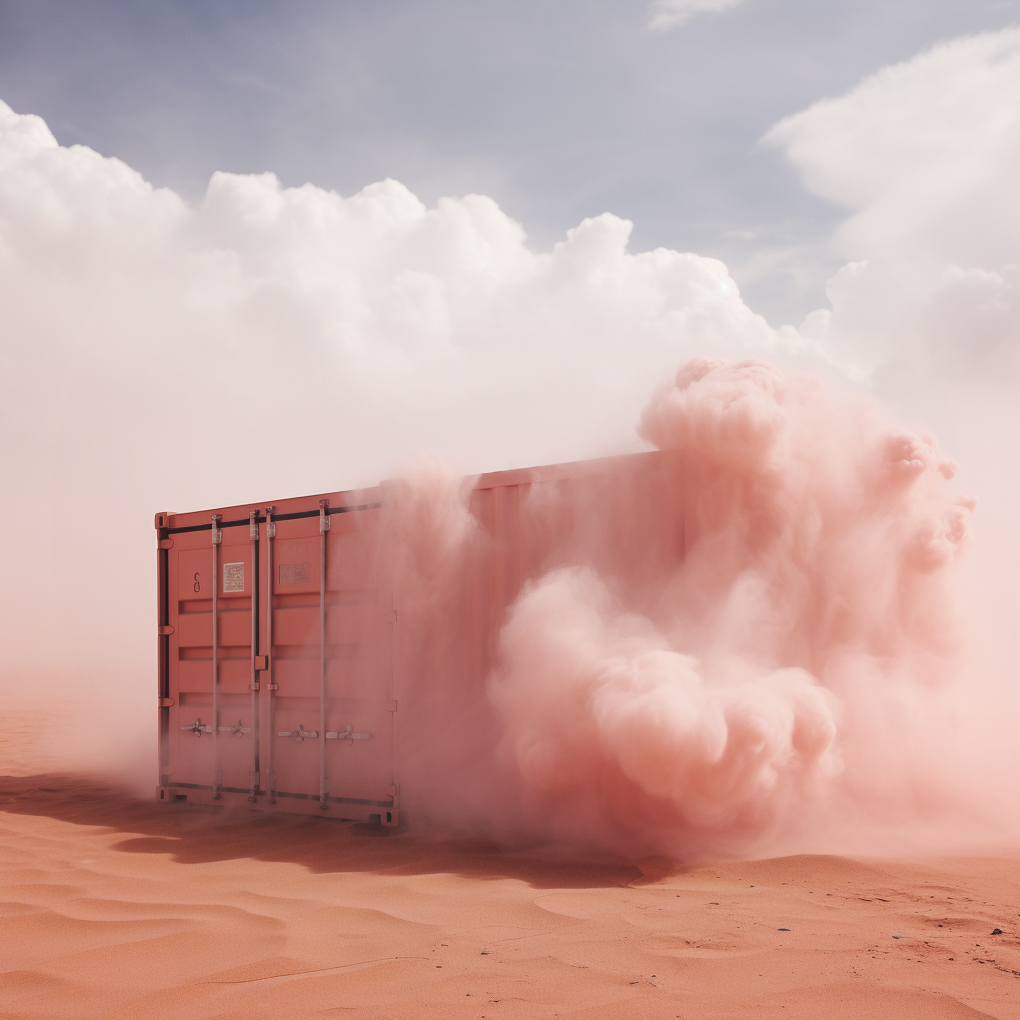
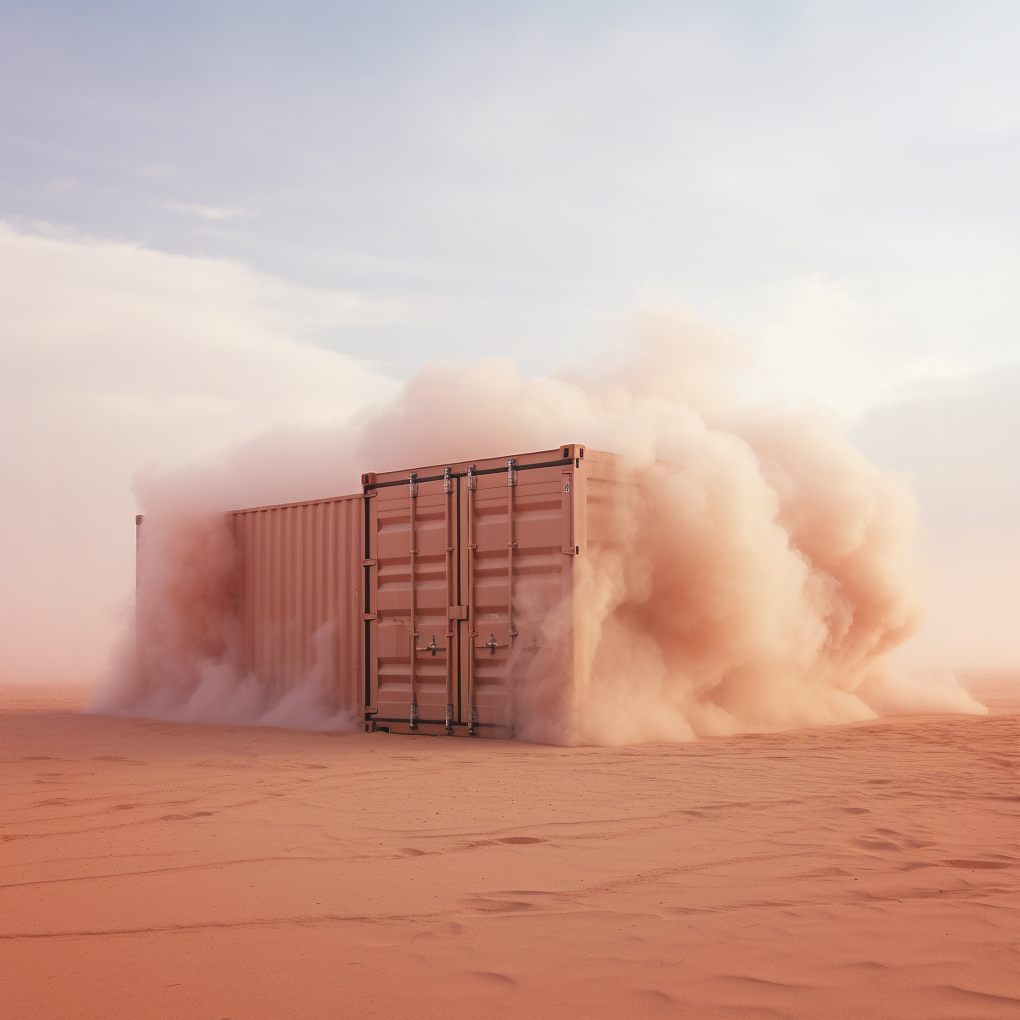
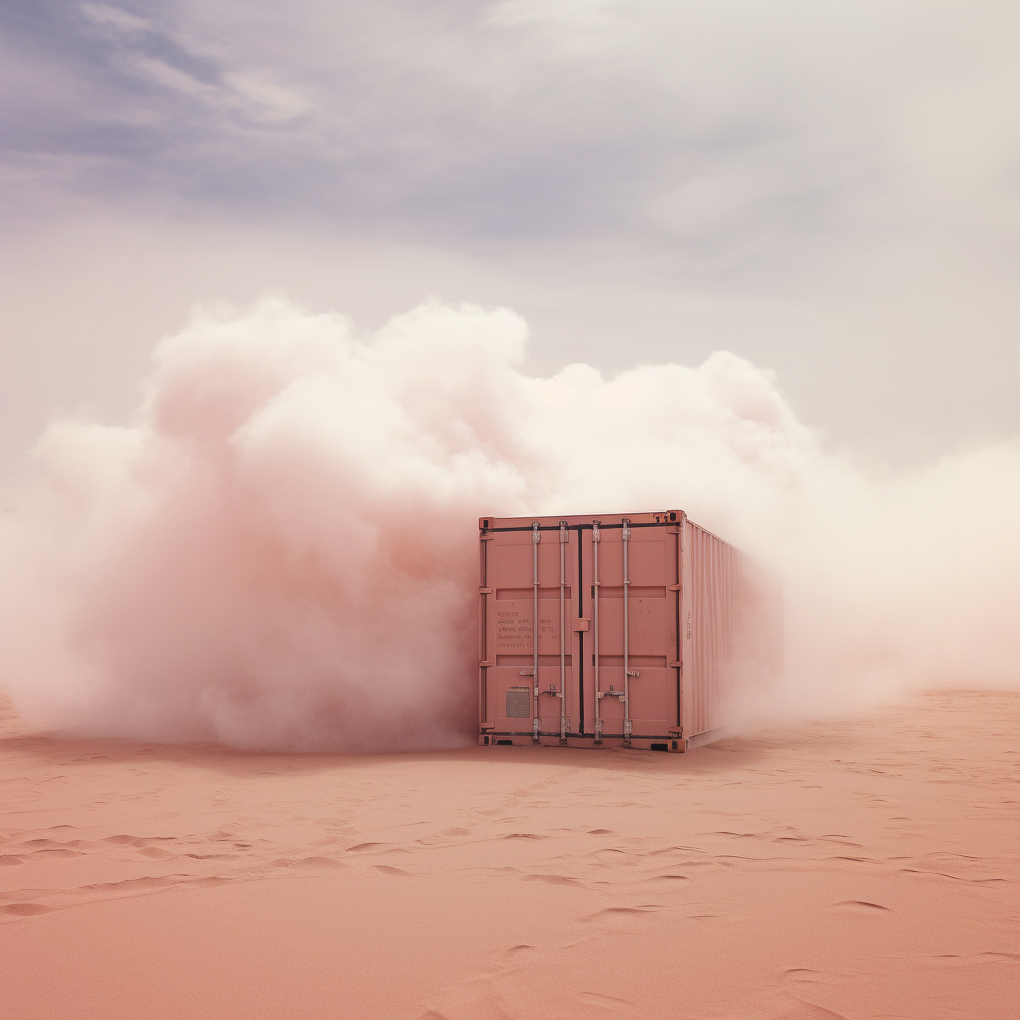
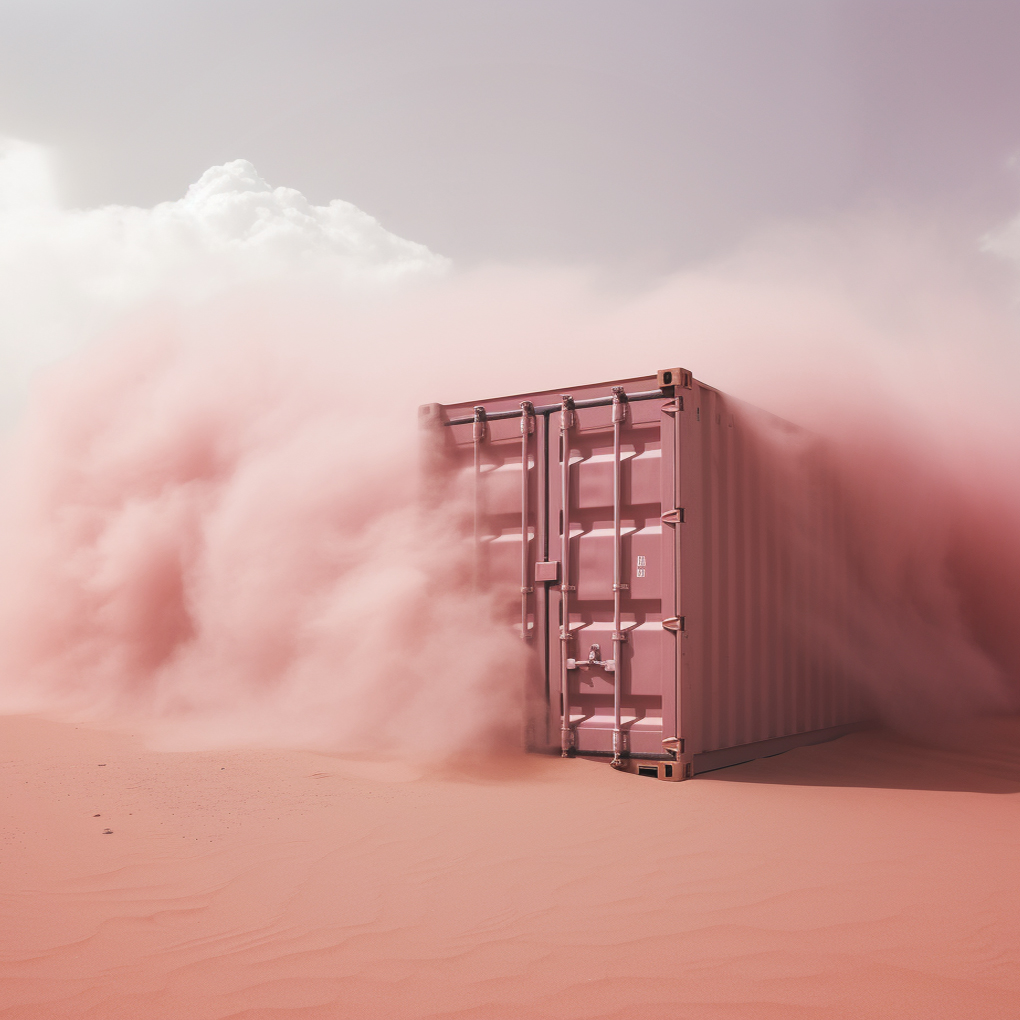
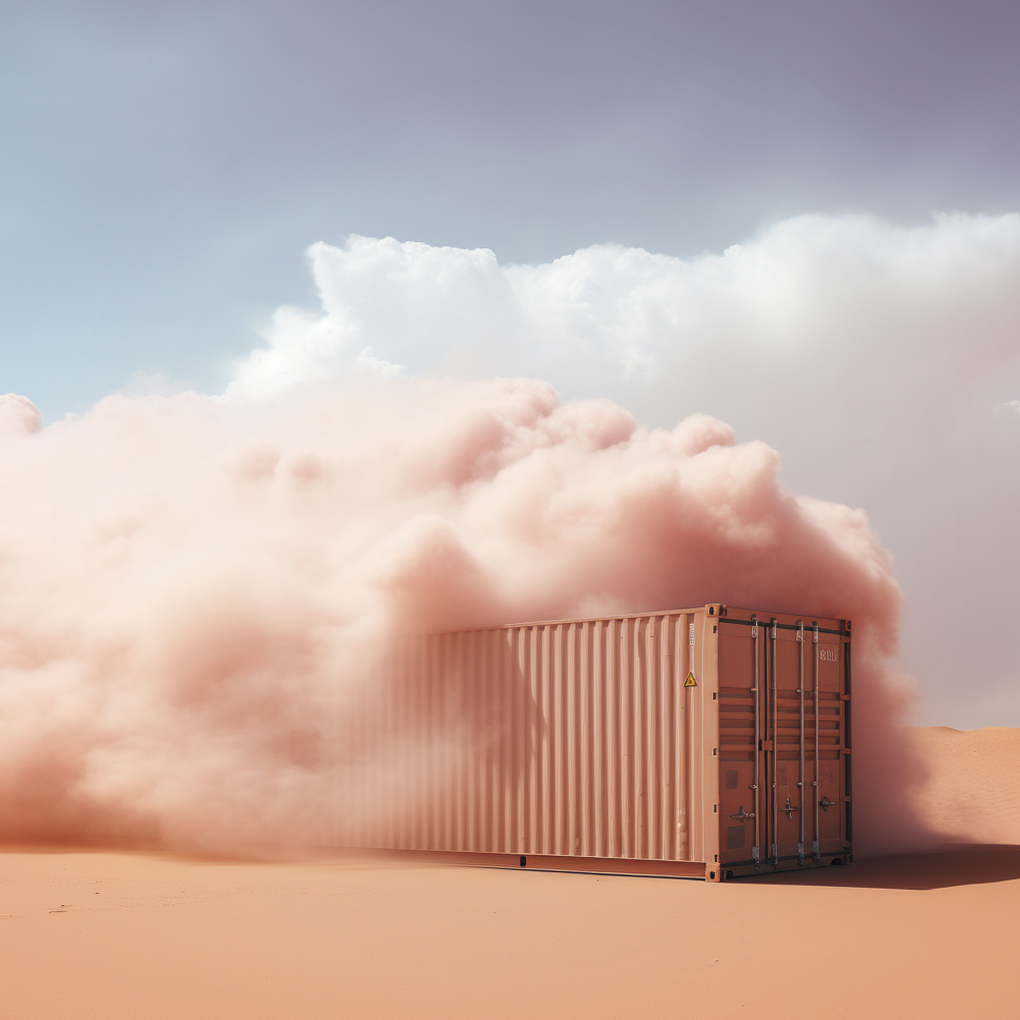

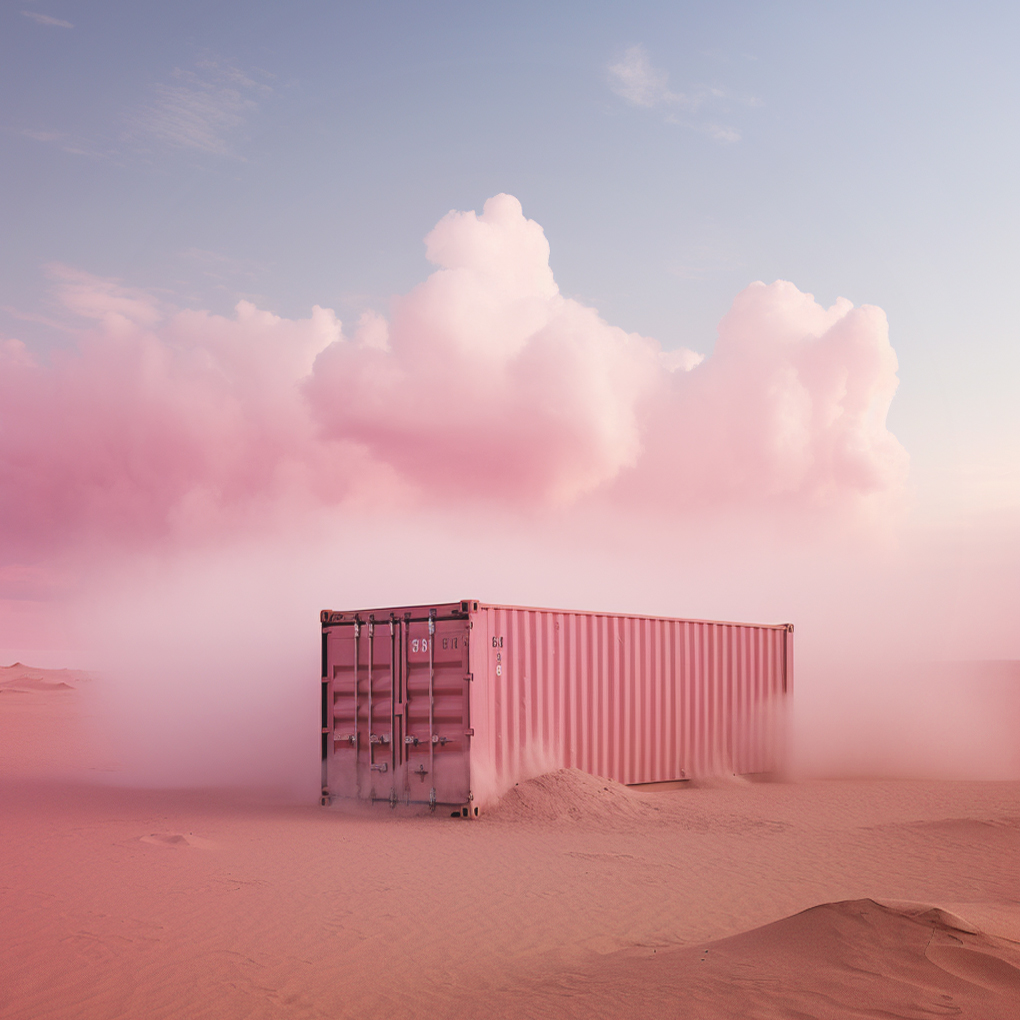
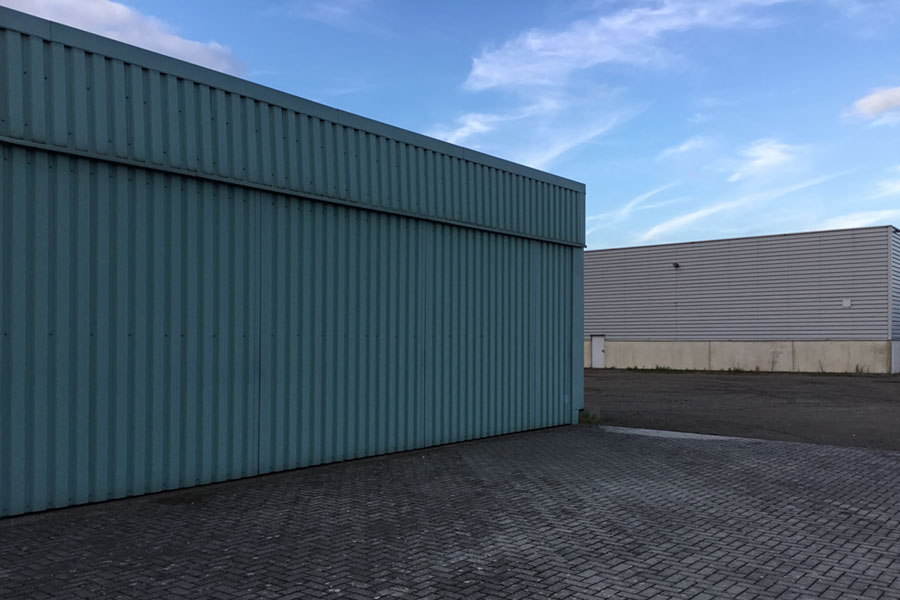
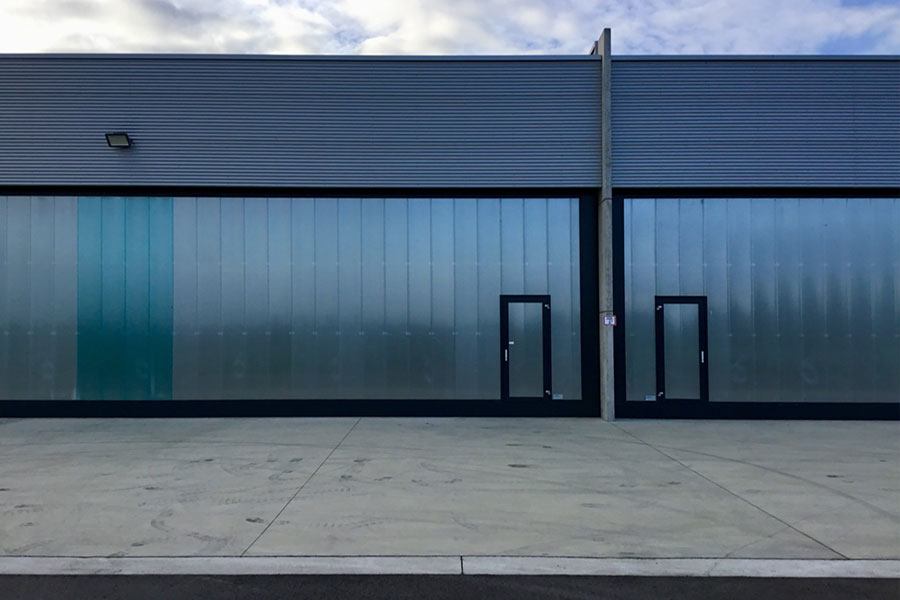
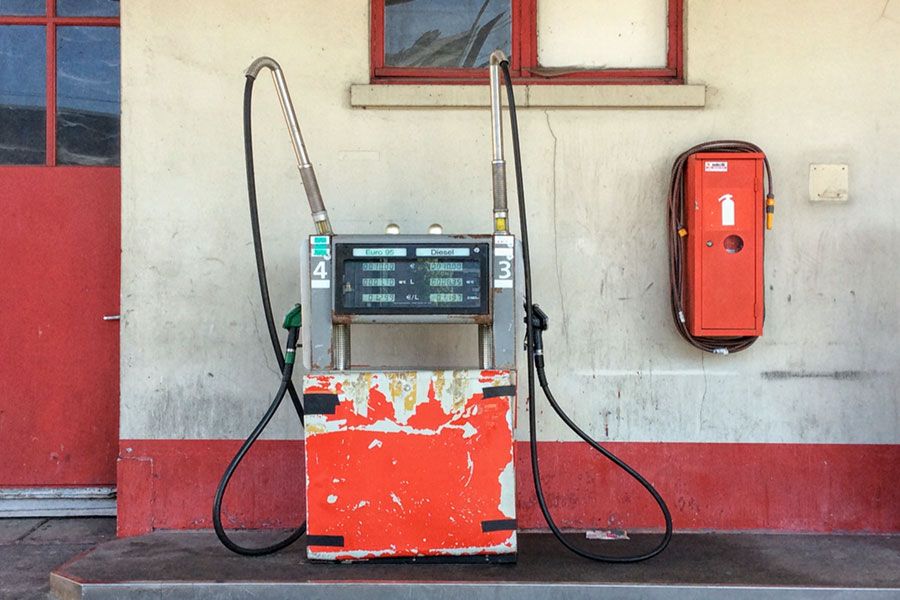
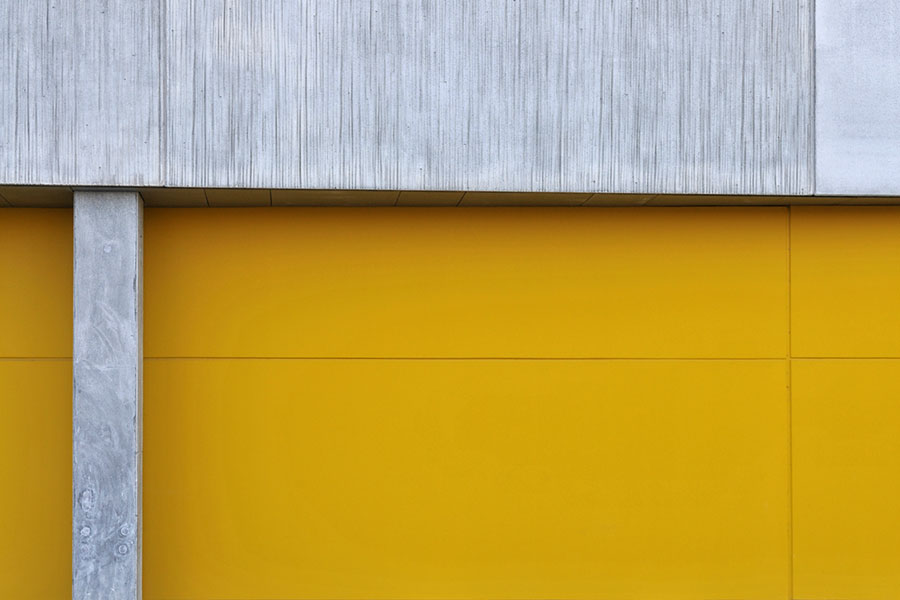
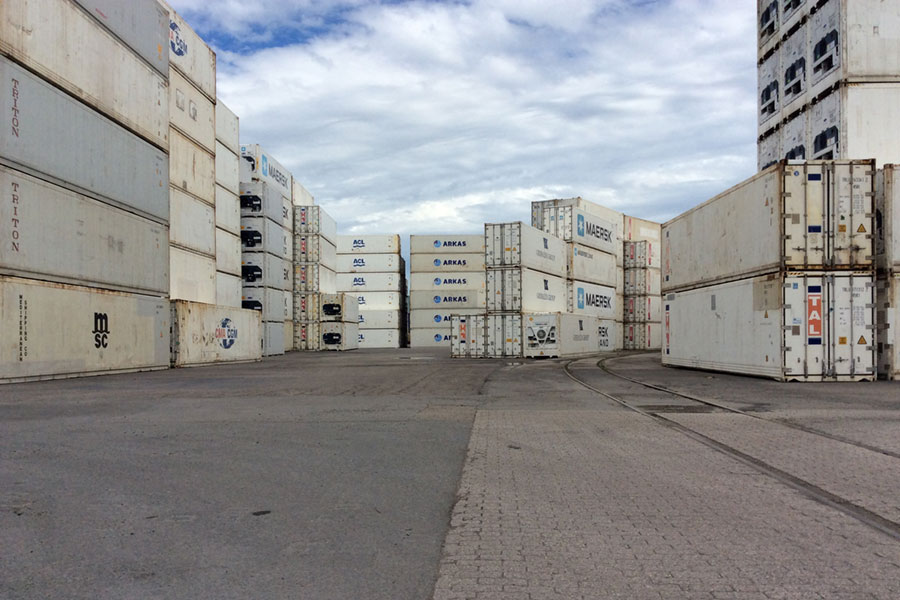
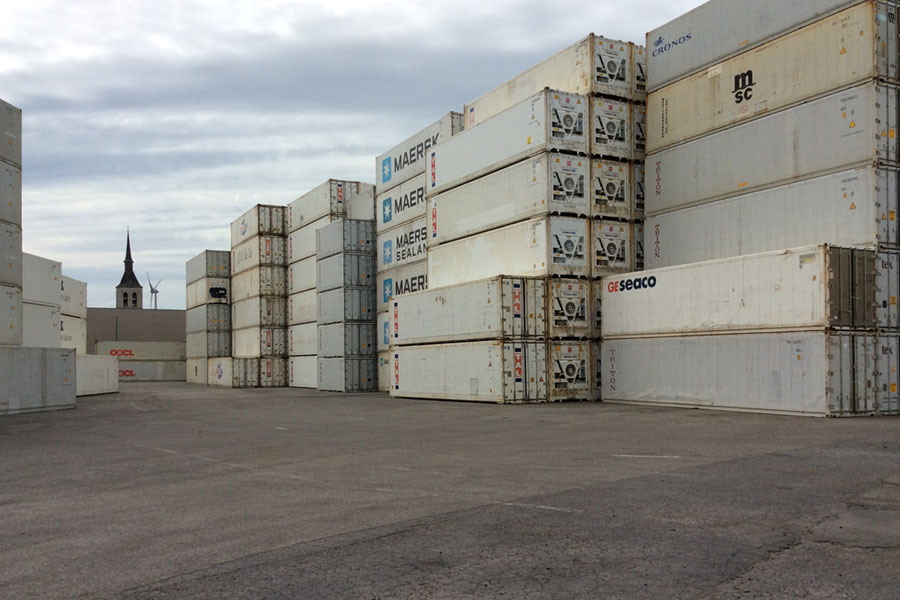
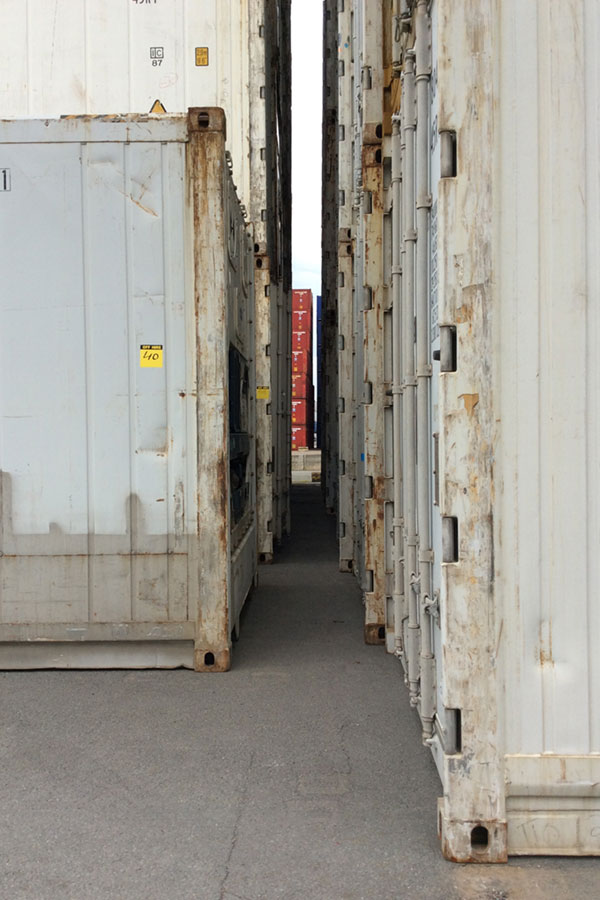
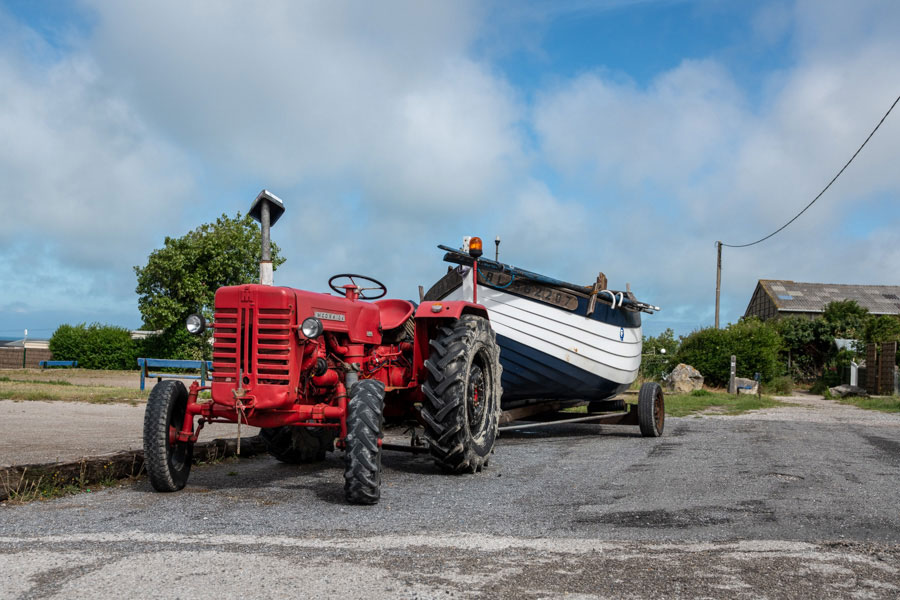
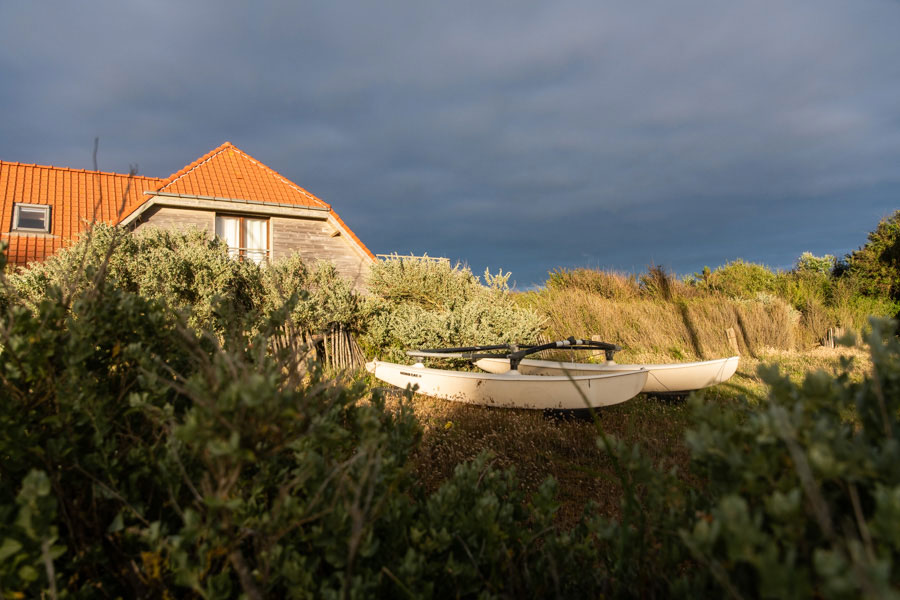
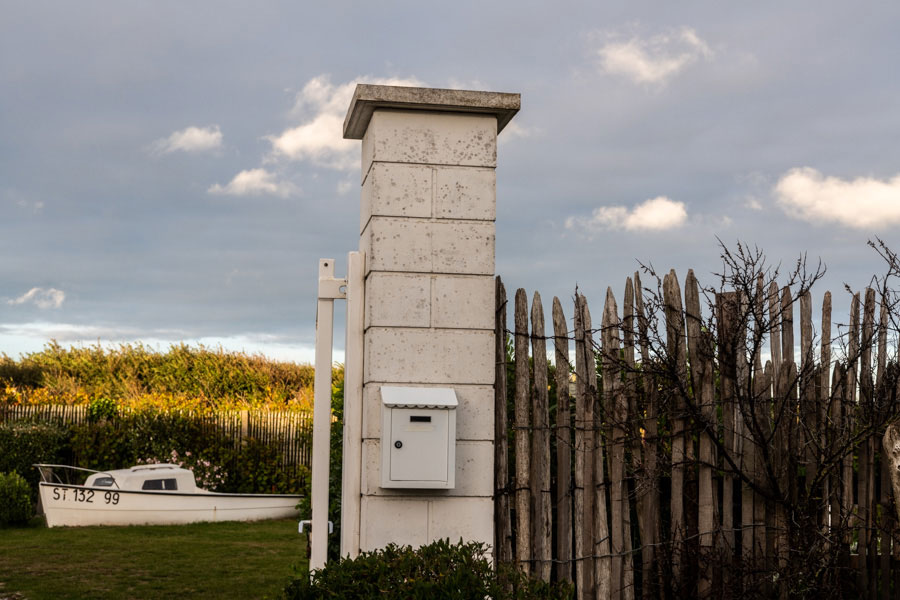
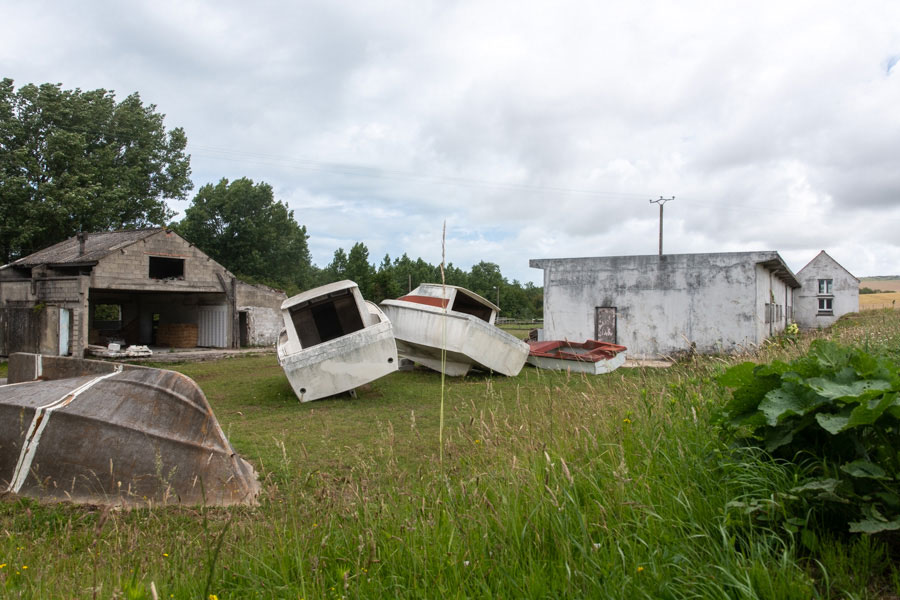
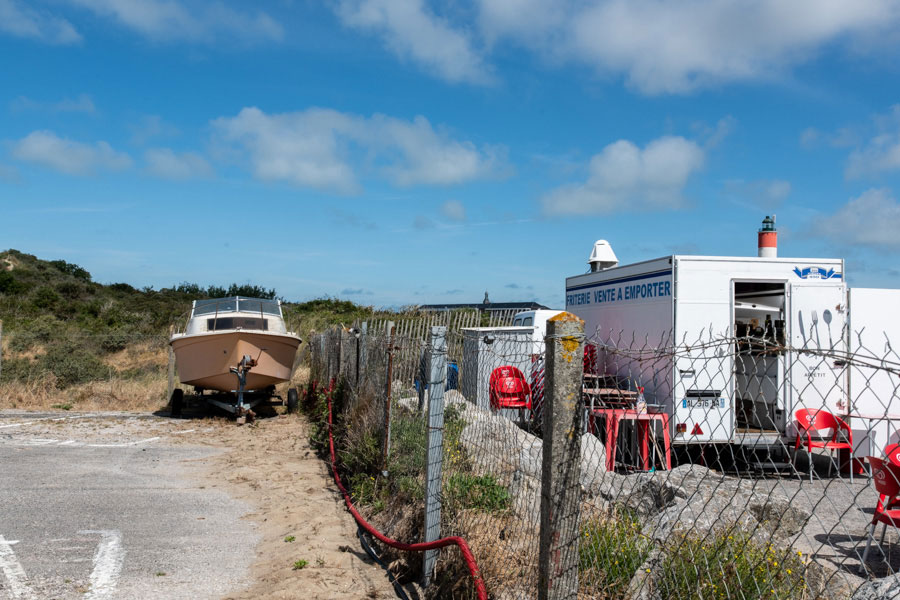
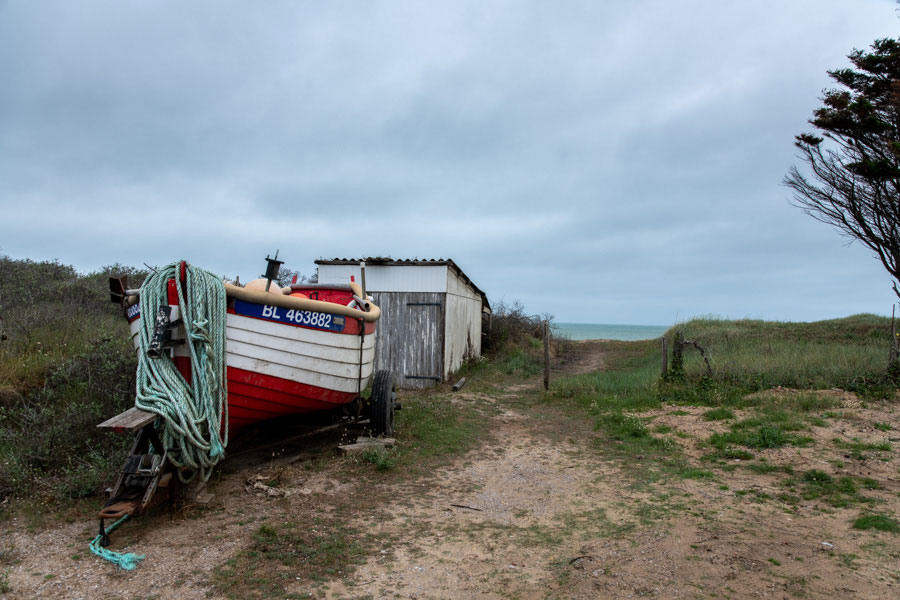
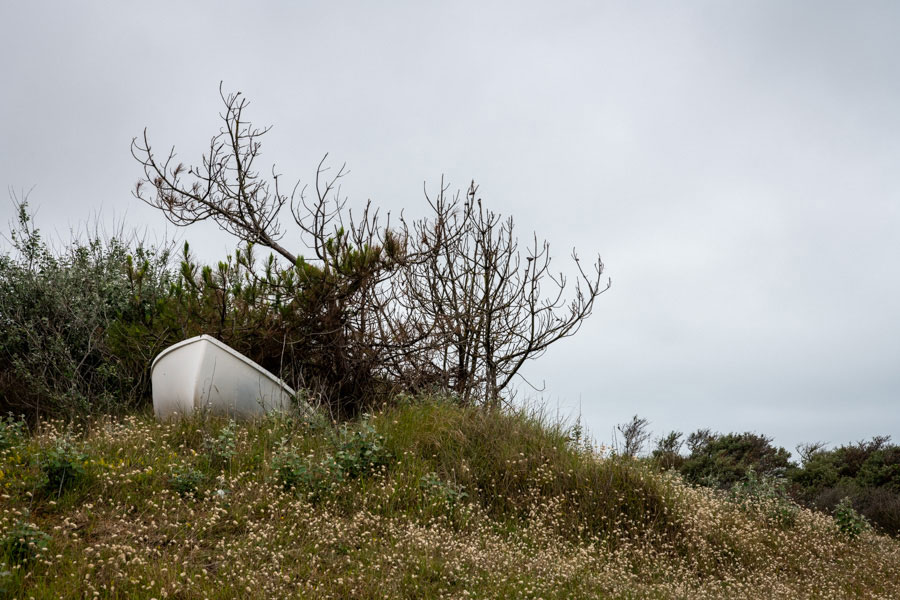
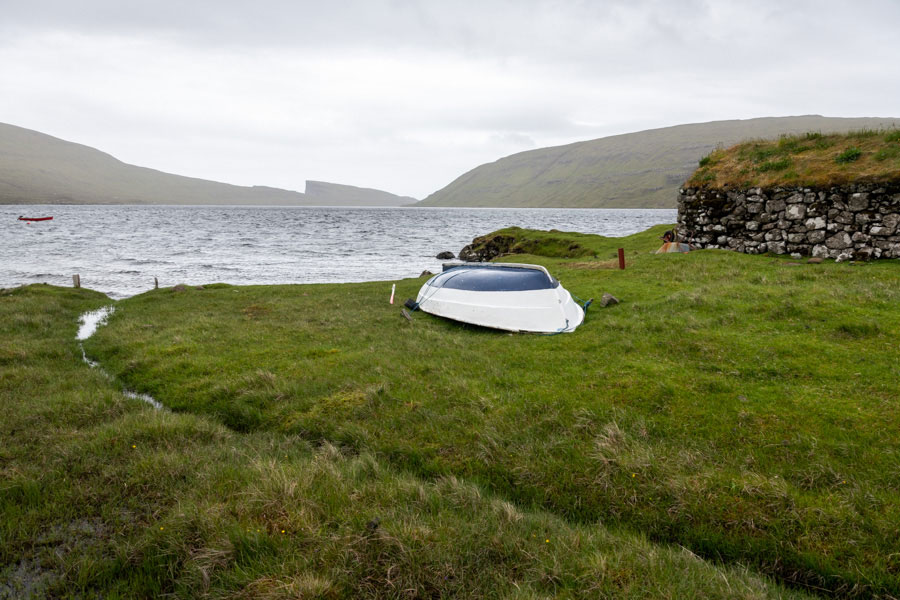
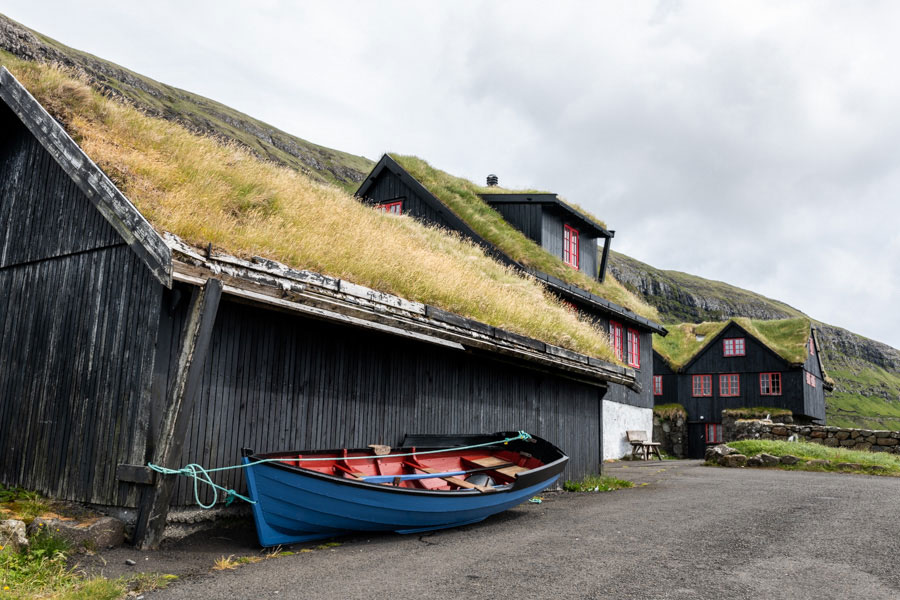
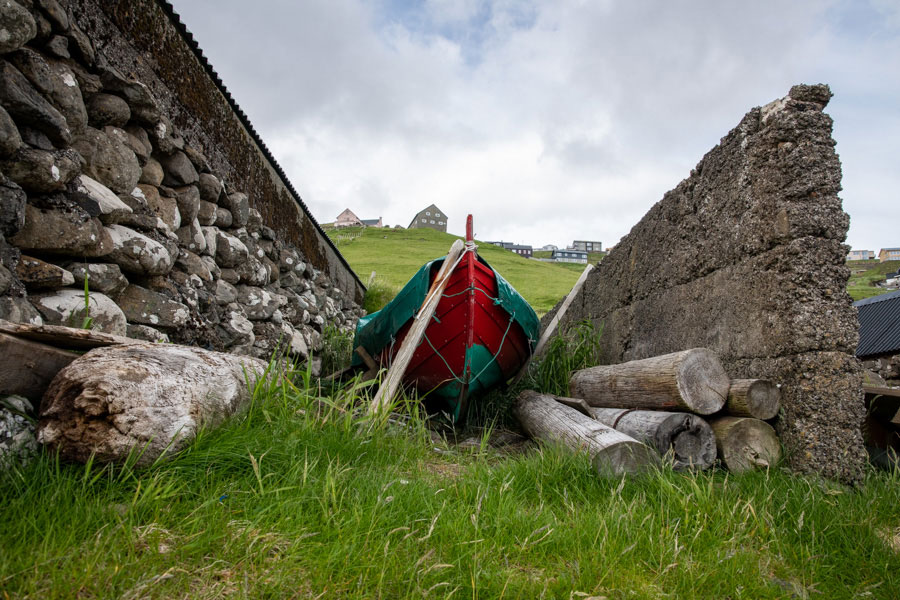
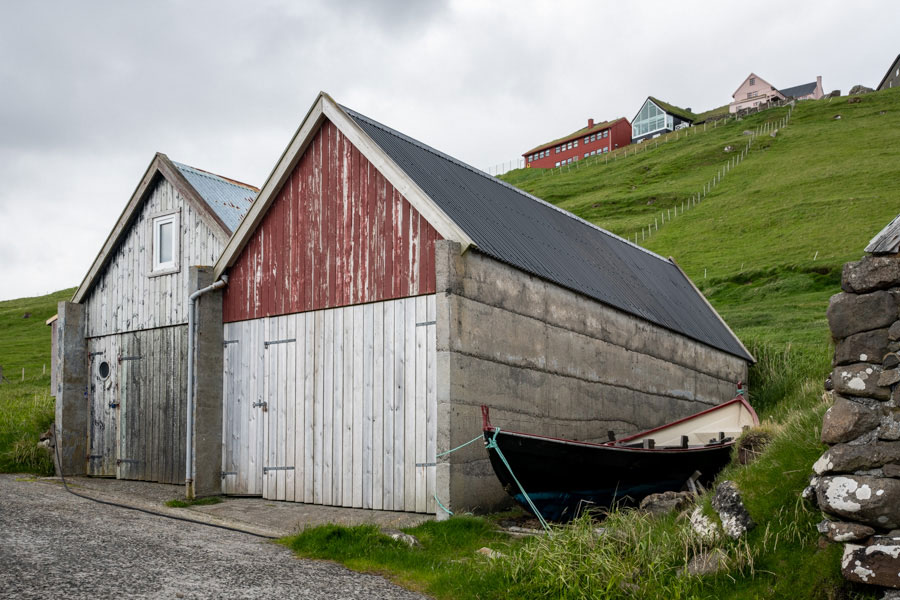
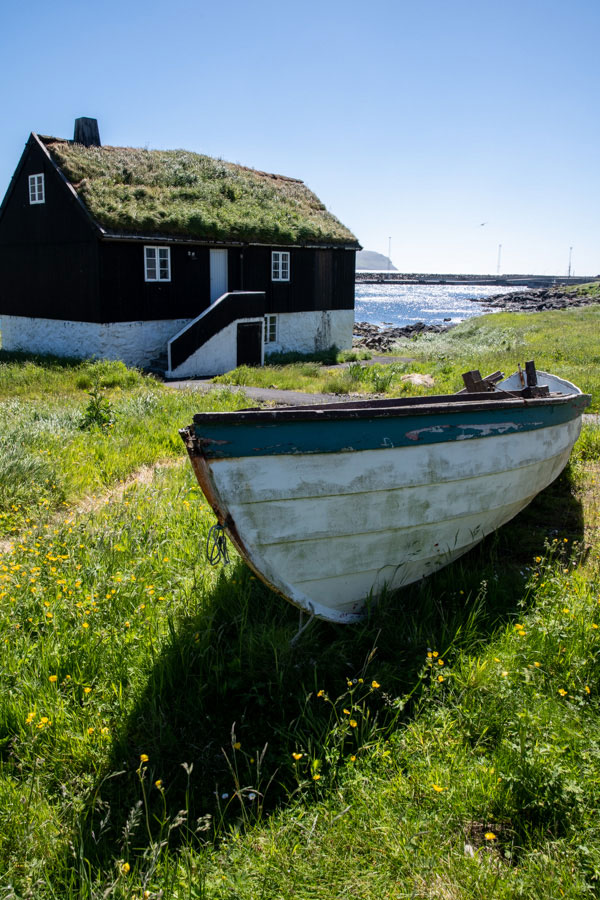
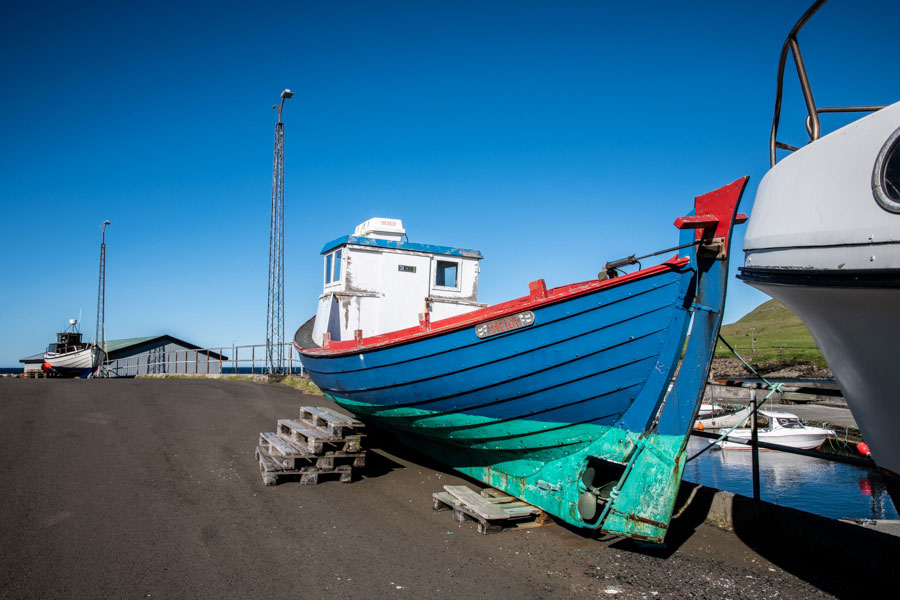
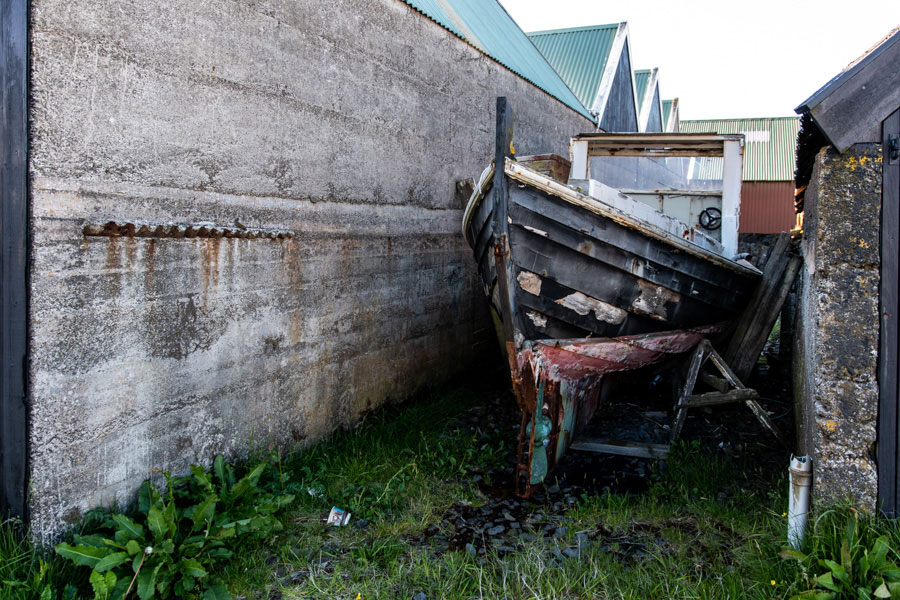
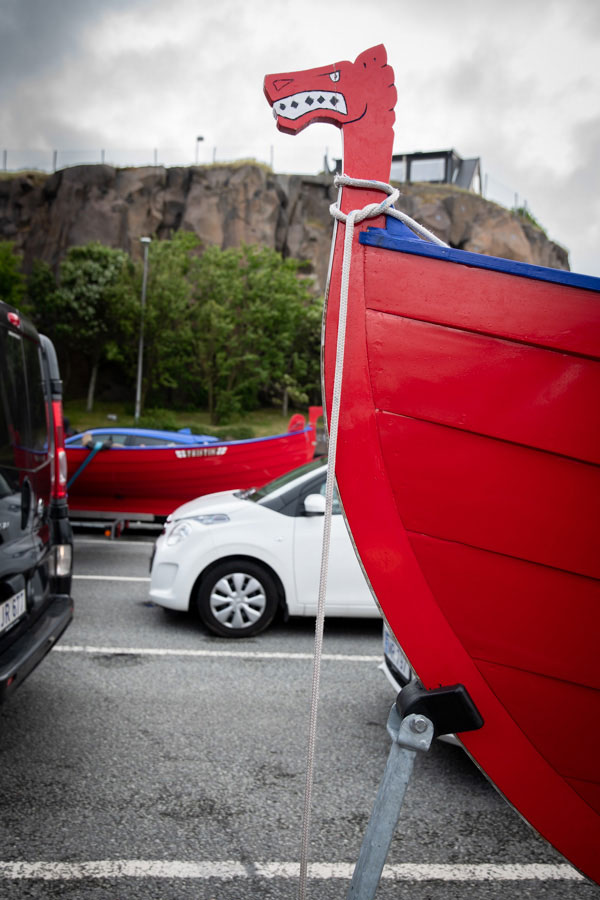
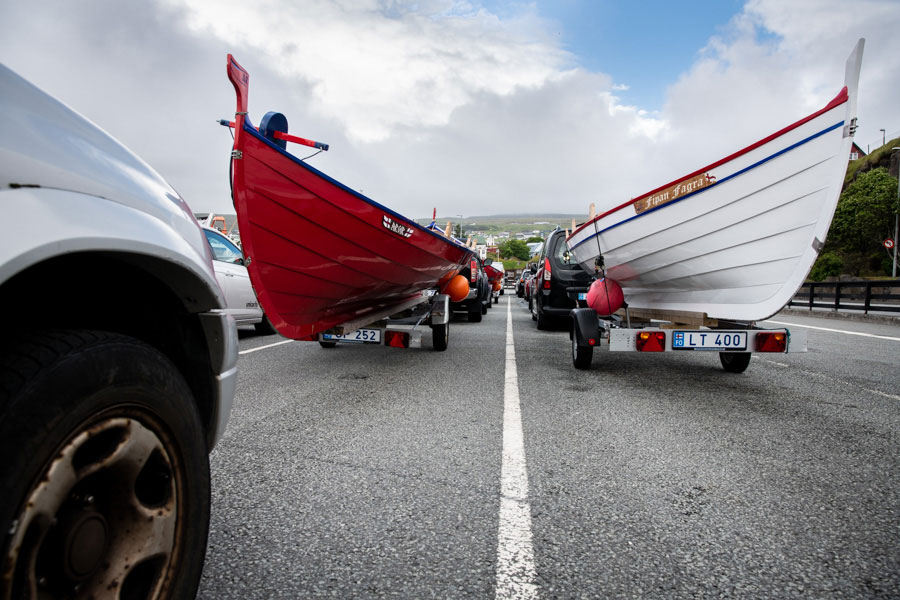
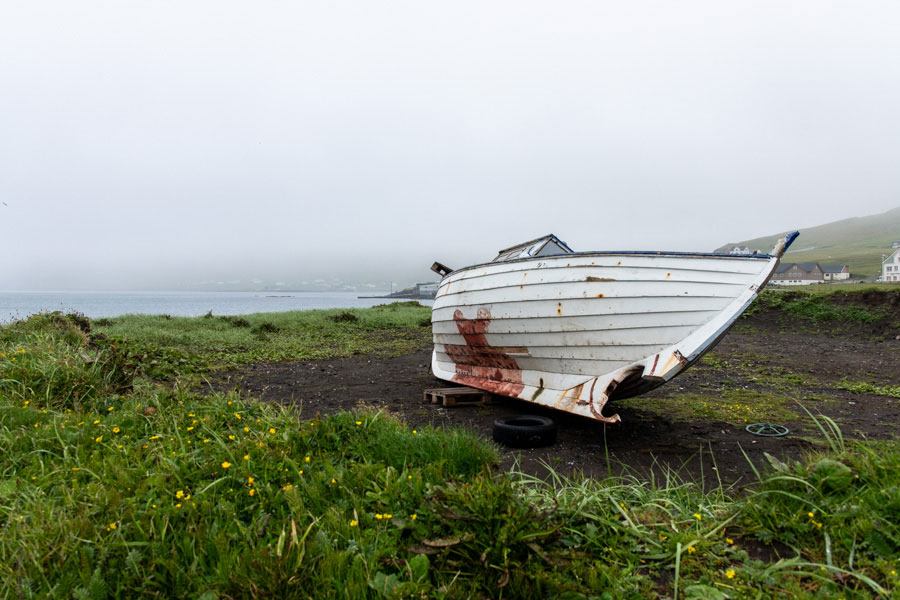
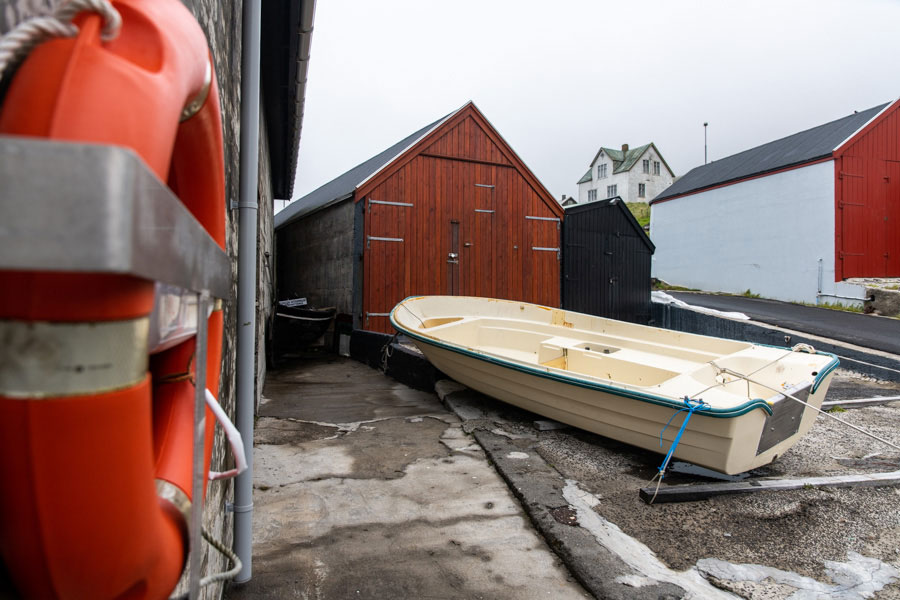
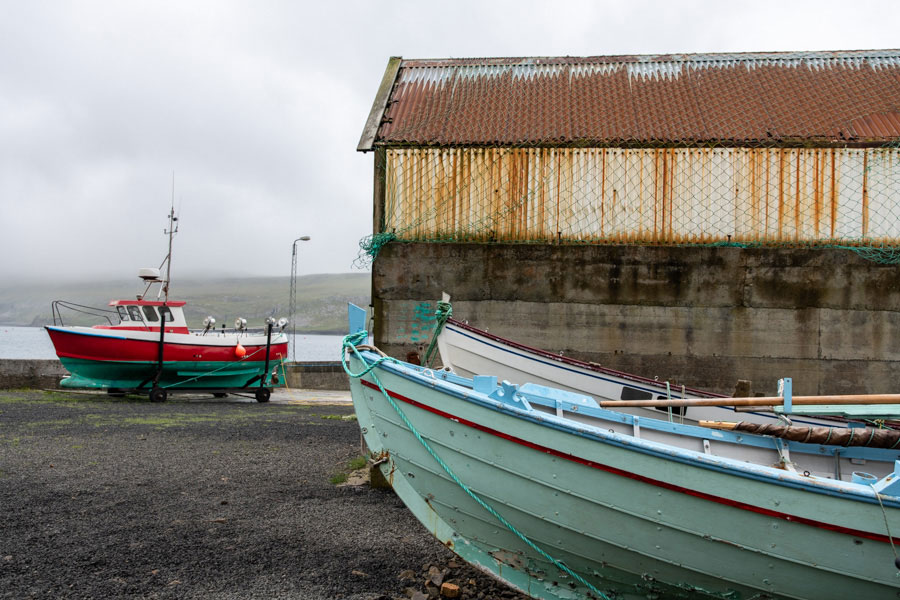
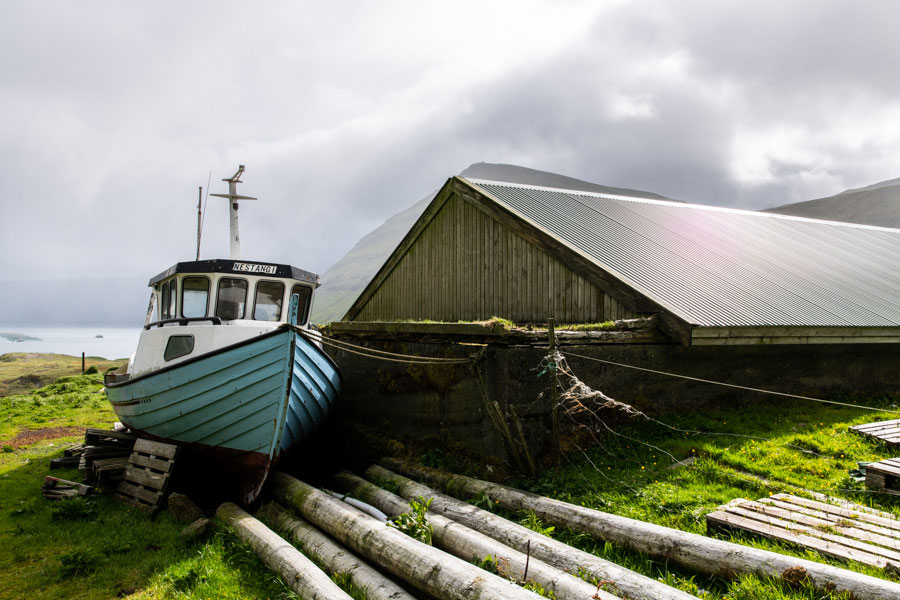
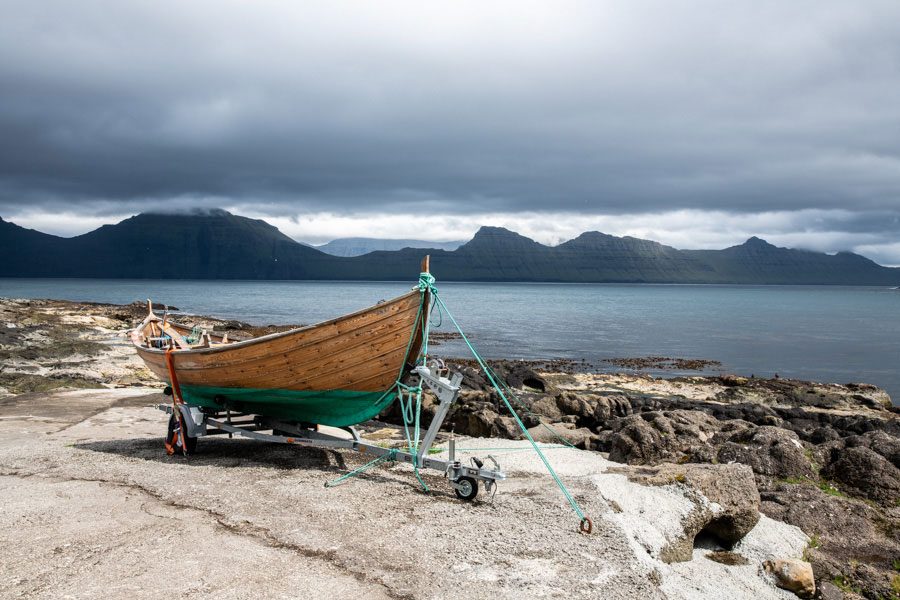
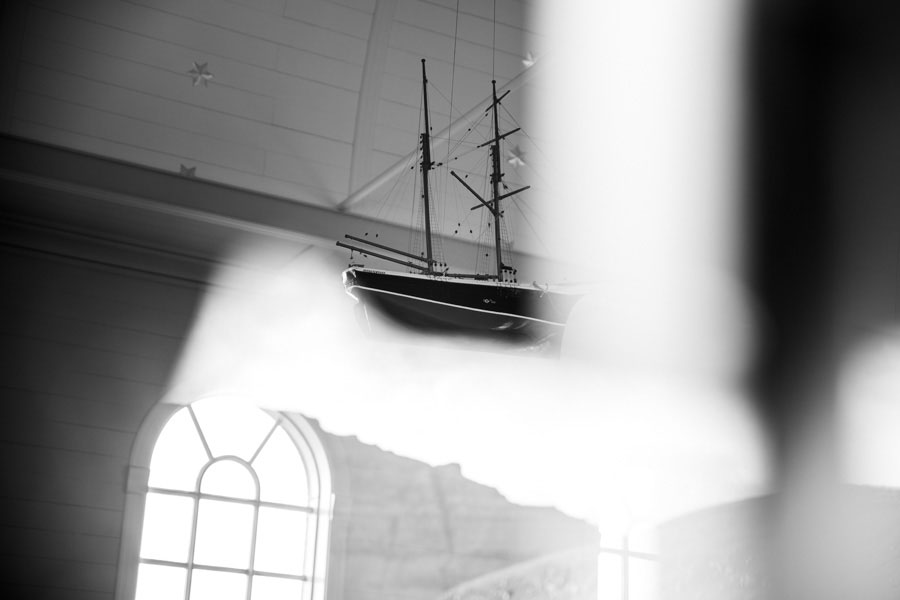
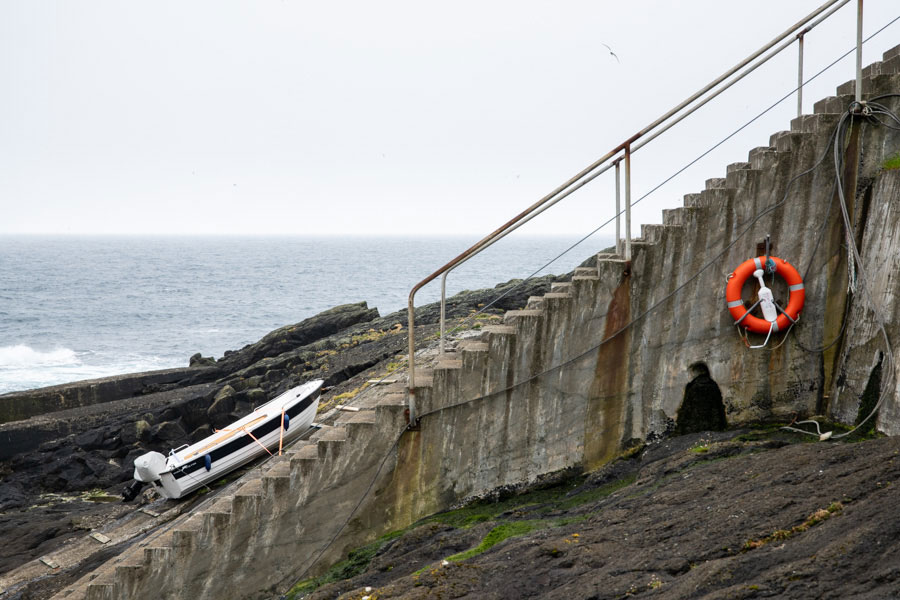
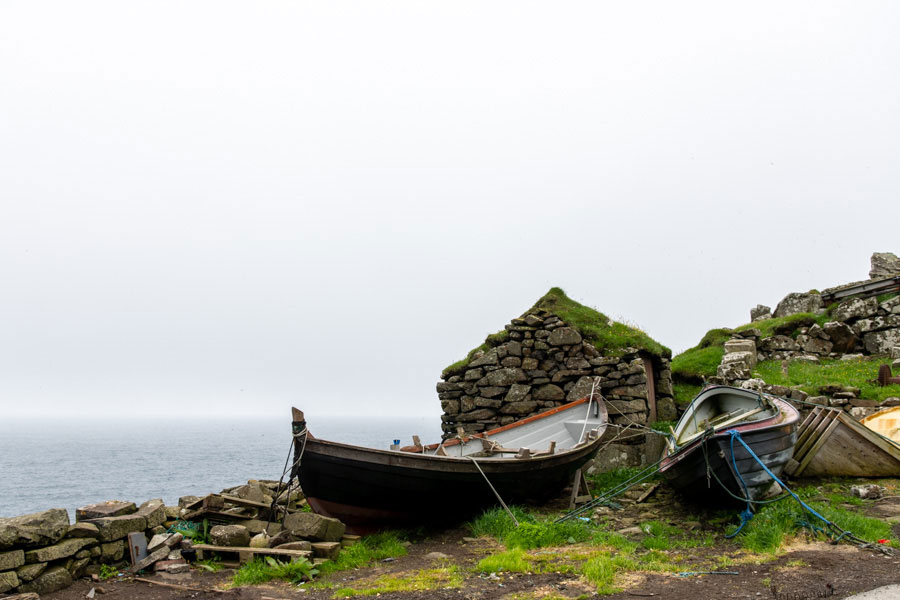
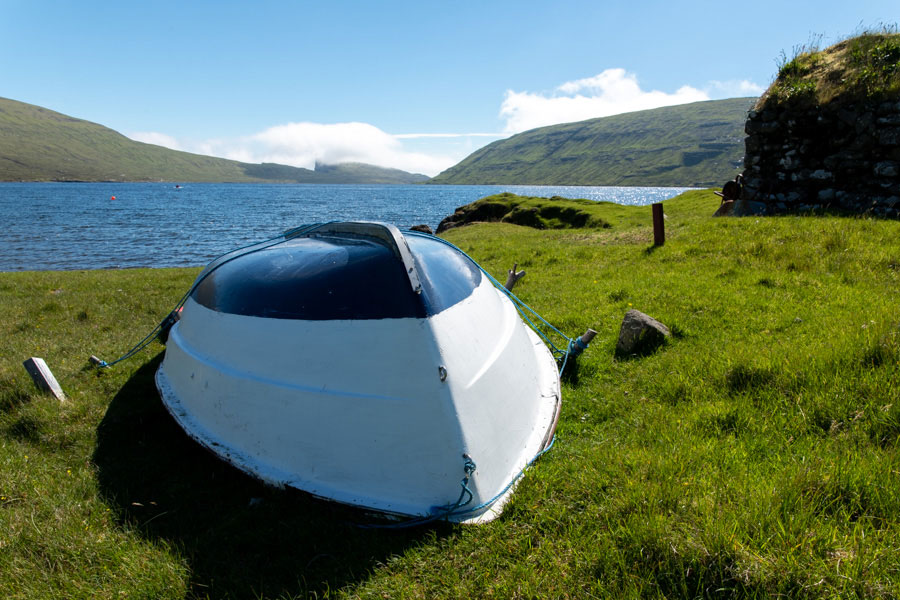
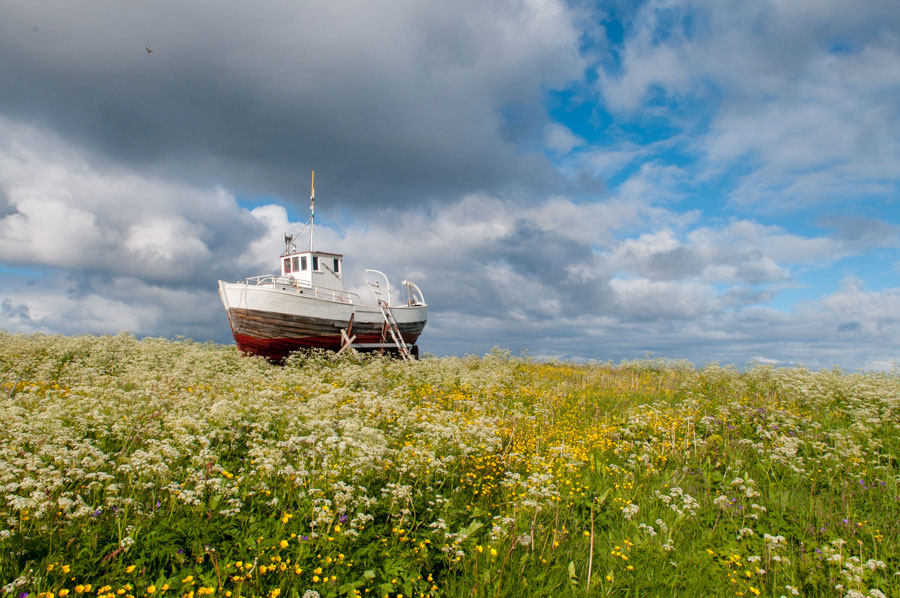
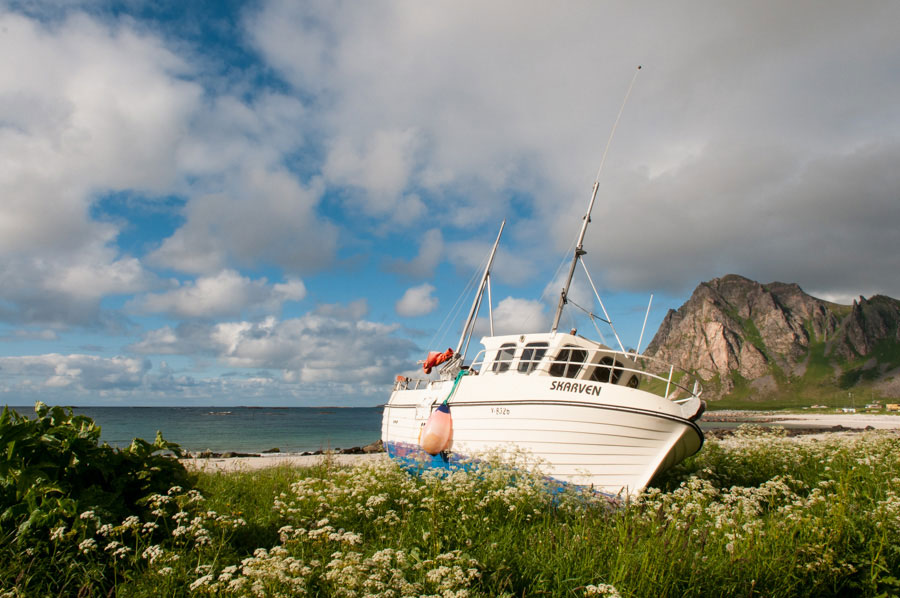
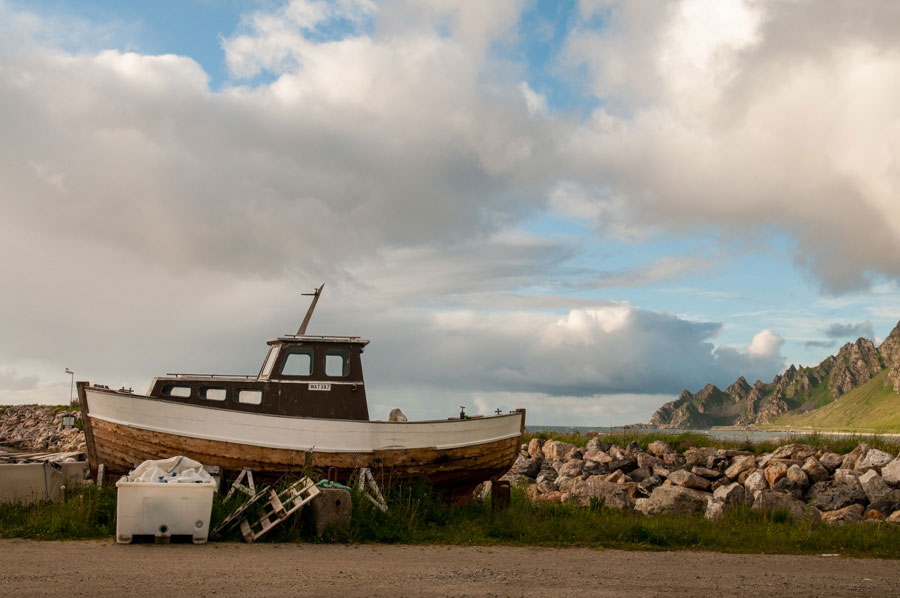
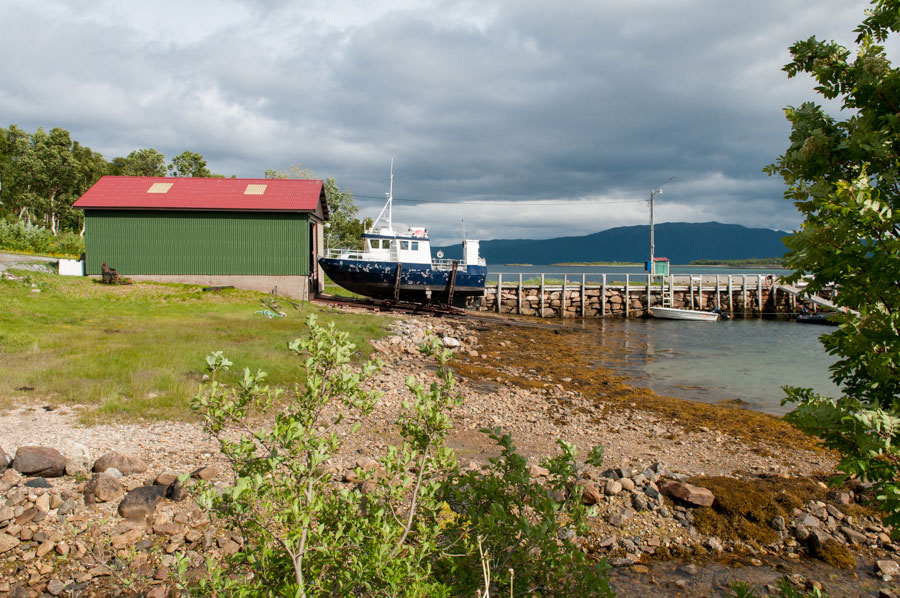
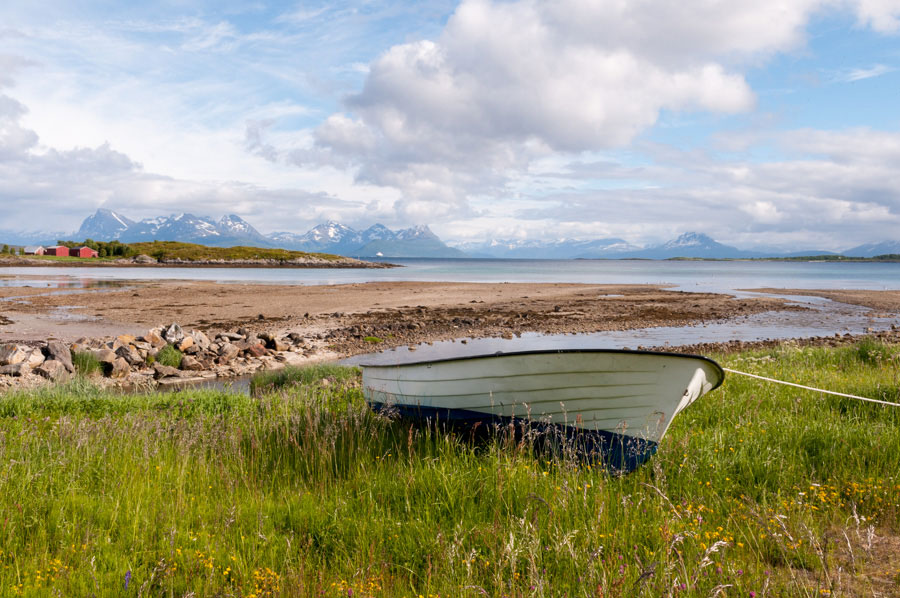
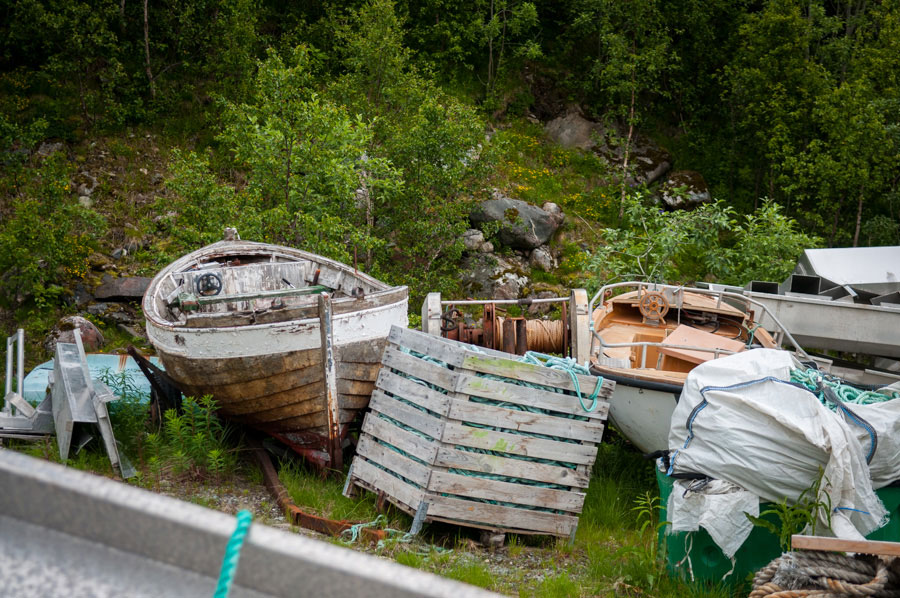
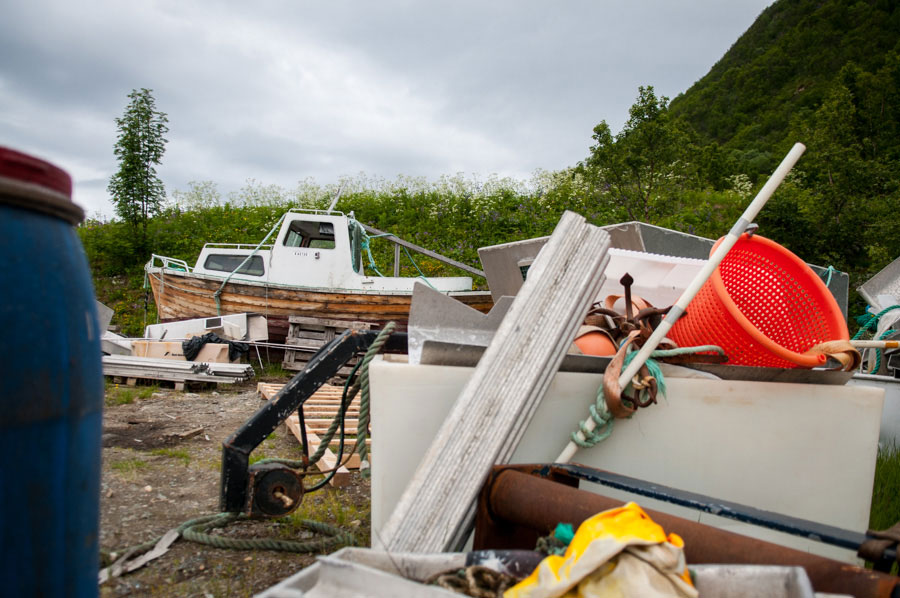
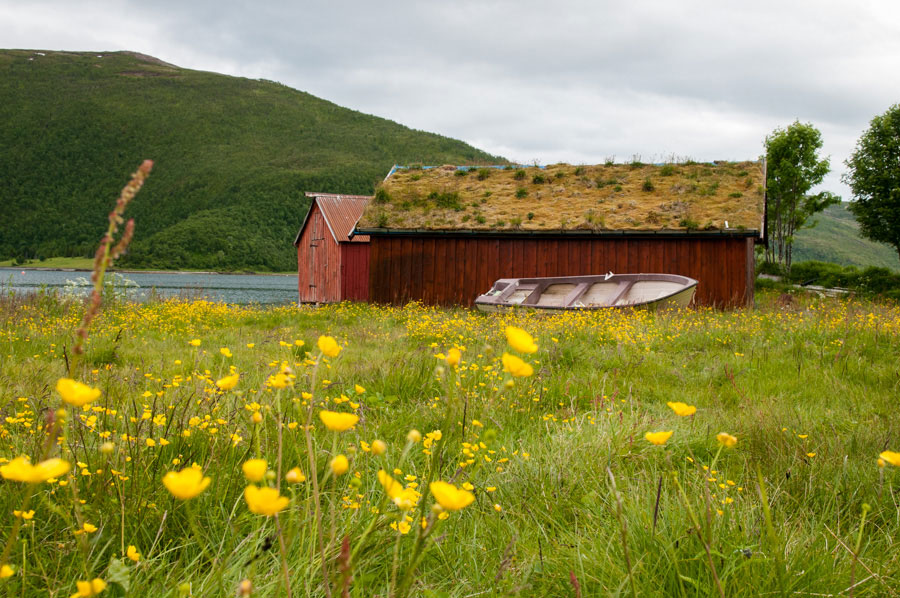
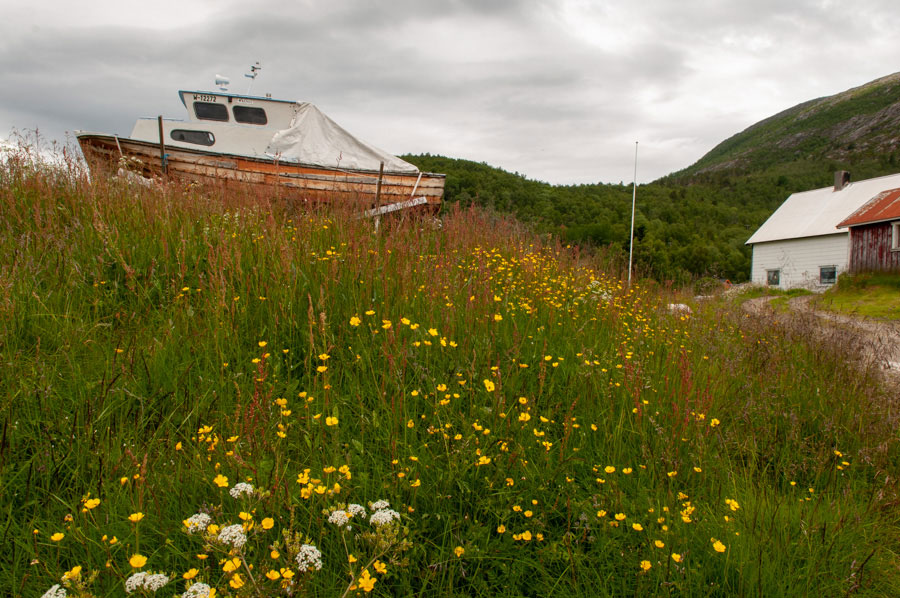
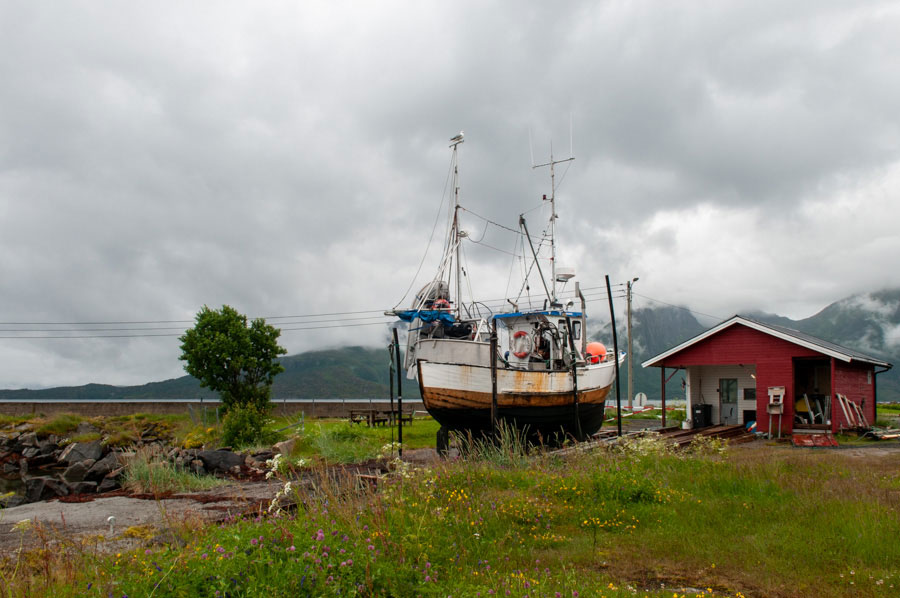
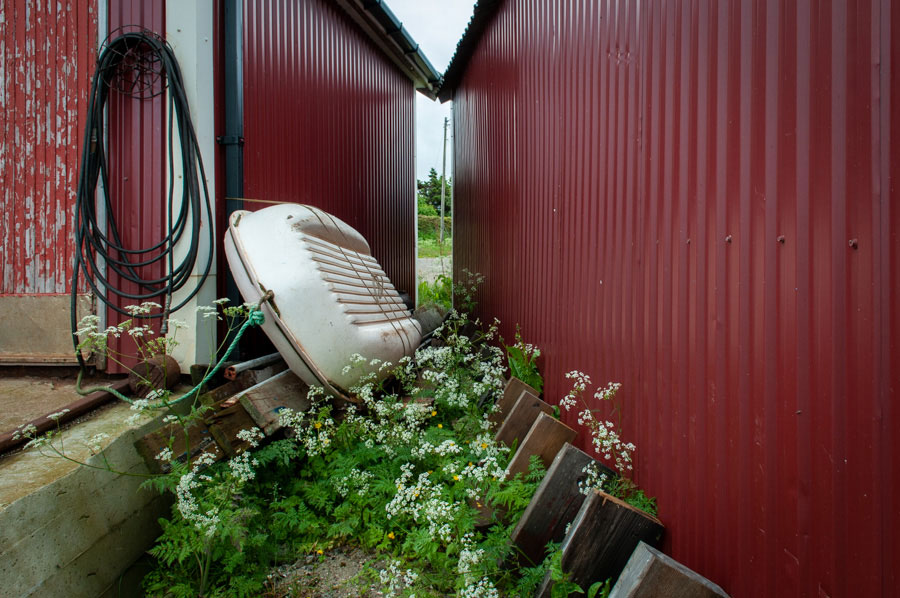
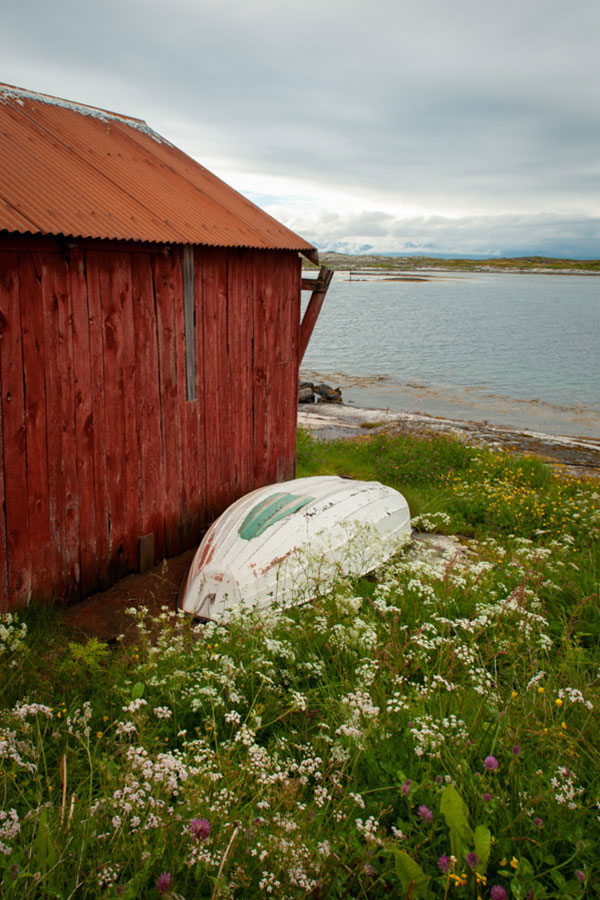
"Photography takes an instant out of time, altering life by holding it still." — Dorothea Lange
2020 © White Wølf. All rights reserved.